Sometimes called digital gold, Bitcoin plays many roles in financial markets. Not just scarcity defines it, but rather its place in portfolios shifts with sentiment. When trust in money fades, some turn here before choosing gold. Lately, though, that role feels less certain. This shift caught attention at JPMorgan, where views are changing fast. Their team, tracking flows closely, noticed pullbacks speeding up.
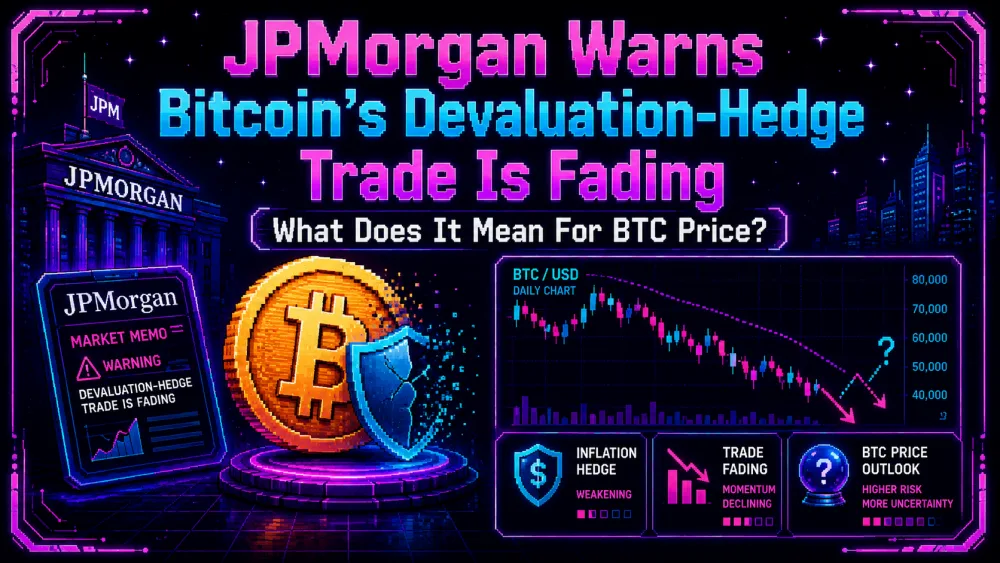
Money leaving Bitcoin ETFs tells part of the story. At the same time, interest in gold-backed funds slips too. One assumption behind Bitcoin’s value now faces tougher questions. What stood firm before may be softening now. Confidence moves slowly, exits quickly – this time maybe both.
Bitcoin isn’t gone, just shifting. What drives people to buy it now looks different than before. Those tracking Bitcoin’s price today wonder: will money still flow in when worries about inflation fade? When currencies stabilize? When global tensions ease?
Related: Can Bitcoin Crash to $20K in 2026? What Could Trigger a Historic Crypto Market Collapse
Contents
- What Is the “Devaluation-Hedge Trade” in Bitcoin?
- Why JPMorgan Says the Bitcoin Trade Is Fading
- Bitcoin ETF Outflows: How Serious Is the Situation?
- What Happens to Bitcoin When the Debasement Narrative Weakens?
- Is This a Short-Term Pullback or a Structural Shift?
- Bitcoin vs Gold: Is the Competition Changing Again?
- What Does JPMorgan’s Warning Mean for the BTC Price?
- FAQ
What Is the “Devaluation-Hedge Trade” in Bitcoin?
Why Investors Buy Bitcoin During Inflation and Currency Debasement
Most people start eyeing rare things when regular money seems shaky. When prices climb fast, loans pile up, or central bankers ease off, paper currency loses charm. Into that space stepped Bitcoin – built with a hard cap so nobody can issue extra coins later. It’s fixed total supply appeals to those watching trust in traditional systems slip.
How Bitcoin Became a Digital Alternative to Gold
Gold has a new rival online – Bitcoin brings a limited supply into the digital world. Across borders, it travels fast, stored in wallets or reached via trading platforms and investment vehicles alike. Even so, its price swings harder than gold’s steady pace, keeping comparisons alive without clear winners yet.
Why the Trade Gained Momentum in 2025–2026
Out of nowhere, jitters around stubborn inflation started building pressure. Alongside came heavy debt loads piling up, making things feel uneasy. Political chatter added to the mess, buzzing like static in the background.
Confidence in regular money buying what it should began slipping. Into this mix stepped spot Bitcoin ETFs, quietly opening doors for big players. These funds smoothed out access, letting firms step in without extra hassle. When money poured into those ETFs, Bitcoin responded by climbing. Higher prices then fed back into the idea that BTC▲$77,666.00 was a shield worth holding.
Why JPMorgan Says the Bitcoin Trade Is Fading
ETF Outflows Signal Weakening Demand for Inflation Hedges
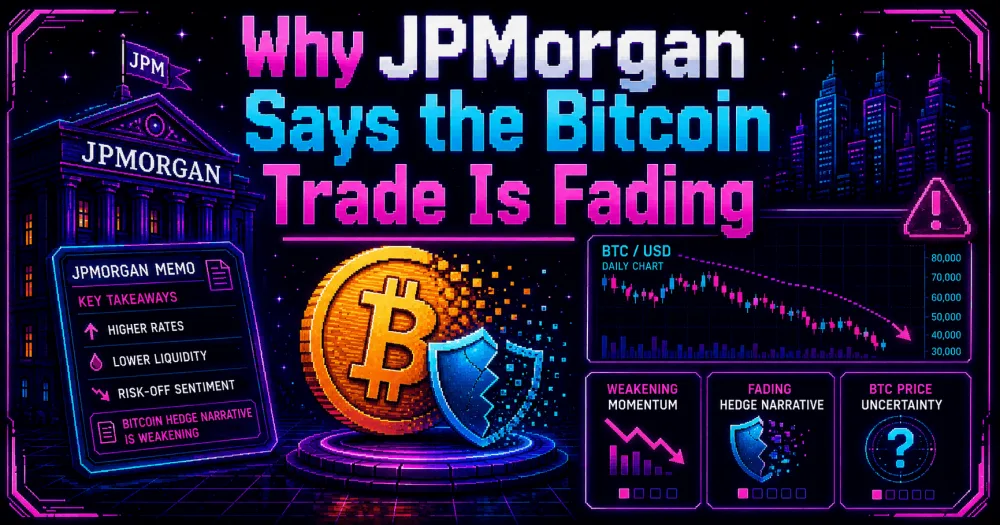
Here’s why JPMorgan’s note matters: ETF movements show when big players shift stance. Not every withdrawal means doubt – sometimes it’s just locking gains or adjusting portfolios. Yet steady outflows hint at something deeper. The buyers who once lifted prices appear to step back. Without that support, momentum slows. What looked like firm backing now fades. A key pillar under Bitcoin weakens. That changes the picture.
Bitcoin and Gold Are Seeing Capital Leave at the Same Time
Gold-backed ETFs dropped roughly twenty billion dollars by June 5, according to Phemex, at the very moment Bitcoin funds kept bleeding value. Though seen as digital alternatives, crypto assets haven’t escaped wider shifts. Investors are moving away from protection plays entirely. Fiat worries still linger; yet defenses against them sit unused. Not just coins are fading – confidence in the hedge itself seems thinner.
H3 Cooling Inflation Expectations and Macro Risks
Cooling fears matter more than falling prices when it comes to hedge trades fading. Once trust returns in central bank actions, moves happen even if inflation stays high. Dollar strength alone might push investors away from assets paying nothing. When real interest rates climb, sitting on cash feels less like missing out. Bonds start looking sensible again, which takes wind from riskier bets like Bitcoin.
Related: Jamie Dimon Clashes with Coinbase Over Clarity Act as JPMorgan CEO Hardens Crypto Regulation Stance
How Easing Geopolitical Tensions Changed Investor Sentiment
When global conflicts simmer, money tends to flow into safer places. Fears about penalties between nations, sudden fuel shortages, fighting, or shaky currencies push buyers toward shelter. Once things calm down, that pressure lifts. Those holding protective bets might then step back, their reason for acting now gone.
Bitcoin ETF Outflows: How Serious Is the Situation?
Recent Bitcoin ETF Flow Trends
Lately, Bitcoin ETF inflows have shifted – momentum once strong is now fading. Instead of buying, investors pull money out. This shift hits hard since these funds link regular markets straight to actual Bitcoin. Not everything’s settled, though. Flows might flip back when sentiment shifts. A pause doesn’t mean collapse.
Which Funds Have Seen the Largest Withdrawals
Out there, big ETFs often set the tone. When one of these giants loses cash, people assume heavyweights are stepping back. Yet take those redemptions with care – sometimes dollars just shift spots across funds. Or maybe they’re stuck in offsetting bets, not true exits.
What Institutional Positioning Data Shows
Bitcoin’s place in big finance isn’t just a single bet. While some hold ETFs as steady, long-range plays, others ride them for quick moves tied to market shifts, pricing gaps, or shelter within larger holdings. This mix gives institutional uptake strength – yet also fragility. The players haven’t left, though one clear motive for holding Bitcoin now feels less solid.
Why ETF Flows Matter for BTC Price
What moves ETFs shifts real buying pressure. When money pours in, it soaks up sell orders, lifting Bitcoin’s value. A pullback in flows often leaves every recovery shaky. That question about outflows? It points directly to how traditional investors are acting under oversight.
What Happens to Bitcoin When the Debasement Narrative Weakens?
Historical Examples of Narrative-Driven BTC Corrections
Every time a big headline faded, Bitcoin dipped first. Before, rallies came from talk of ICOs, companies buying coins, supply cuts, price rises, and then ETF green lights. When each wave slowed, prices stayed put – not gone, just waiting. What pushed gains earlier fell quiet. A fresh spark always showed up later.
From Inflation Hedge to Risk Asset
Most of the time, Bitcoin gains value when money flows freely through financial systems. When traders chase higher returns during upbeat market phases, its price tends to climb. At times when interest rates adjust upward, however, their momentum fades fast. A stronger US currency can weigh on it just as much. So does a pullback in borrowed funds used for speculation. JPMorgan sees these patterns clearly now. Even so, the notion that it shields wealth during rising prices still holds some truth – just not quite as neatly as before.
Related: Why Is Crypto Down Today? BTC Price Nears $61K as Investors Fear Another Major Sell-Off
Can Bitcoin Continue Rising Without Macro Fear?
Sometimes Bitcoin climbs even when big economic worries fade. Yet something else has to pull it forward. Maybe fresh money flows into exchange-traded funds. Or maybe cash moves more freely in markets. Companies using it more could help too. Rules becoming less foggy might add fuel. A bounce after a rough patch sometimes builds speed on its own. When panic isn’t driving things, that safety-trade idea loses grip. The full picture now depends on more than just shelter from chaos.
Why Liquidity Still Matters More Than Narratives
Stories shape choices, yet cash flow rules staying power. This truth shapes every Bitcoin forecast now. When worldwide money moves easier, prices might rise – no loud excuses needed. But when funds freeze up, belief alone won’t hold value. The stage changes, so does the outcome.
| Factor | What It Means For Bitcoin |
|---|---|
| Bitcoin ETF Outflows | Signals weaker institutional demand and less support for BTC price. |
| Fading Debasement Trade | Investors are less focused on Bitcoin as protection against fiat weakness. |
| Gold ETF Outflows | Shows the pullback is broader than crypto, affecting safe-haven trades too. |
| Cooling Inflation Fear | Reduces demand for Bitcoin as an inflation hedge. |
| Dollar Strength | Can pressure BTC by making cash and bonds more attractive. |
| Renewed ETF Inflows | Could revive bullish momentum and support a stronger bitcoin price prediction. |
Is This a Short-Term Pullback or a Structural Shift?
The Case for a Temporary Cooling Phase
A brief chill in sentiment doesn’t mean much. Outflows from ETFs could just be traders cashing gains following heavy buying, rather than institutions losing faith. Scarcity still defines Bitcoin; having an ETF hasn’t lost its appeal. From this angle, JPMorgan’s caution signals a breath, nothing more – markets adjusting to shifting big-picture cues.
What Could Bring Investors Back Into Bitcoin ETFs
Should the price stop swinging, investors might come back. When outflows ease up, confidence can start creeping in. If worries about inflation or the dollar fade again, momentum often follows. Institutions tend to re-engage once rules feel less murky. Even a small group of buyers sensing better odds can restart the flow. Stability, more than perfection, tends to tip the scale.
Fed Policy, Inflation Data, and Dollar Strength
The Fed Reserve still holds the reins. When prices ease, but the economy slows, bets on lower rates might lift risky investments. Should inflation refuse to budge and the dollar remain firm, Bitcoin may continue to struggle. Falling greenback opens room for investors again, betting on value protection through digital coins.
Key Indicators Traders Should Watch
Bitcoin might stay strong even if money moves out, hinting at quiet buying behind the scenes. Watch how it behaves after heavy redemptions – does it bounce or break? The dollar index matters just as much as gold ETF movements.
Real yields shift quietly but affect sentiment. Stablecoin totals give clues about market appetite. Futures funding can turn fast when emotions flare. BTC ETF inflows sometimes lie; look past them. Strength compared to other assets tells a deeper story. Hidden demand often hides where few are looking.
Bitcoin vs Gold: Is the Competition Changing Again?

Why JPMorgan Previously Favored Bitcoin Over Gold
JPMorgan links Bitcoin and gold through limited supply. Should people start using crypto more, its gains could stretch further. On the flip side, gold carries centuries of trust during downturns. When markets feel bold, digital coins might race ahead. Quiet moments tend to lift gold, where losses usually stay small.
Related: What Is Bitcoin DeFi (BTCFi)? Complete Guide
Are Investors Returning to Traditional Safe Havens?
Right now, Bitcoin isn’t clearly pulling investors back into gold. Instead of pairing up, they’re both losing money as people step away from bets on currency drops. When things get shaky again, gold might be the go-to choice before anything else. For Bitcoin to stand tall, it needs to show real shielding power – beyond just wild price swings and upside dreams.
Which Asset Is Winning Institutional Flows in 2026?
Nowhere near clear who’s ahead, really depends on big picture shifts. Should conditions align – ETF availability meets limited supply plus rising willingness to take chances – Bitcoin tends to gain ground. When folks lean toward time-tested safety, gold sees more interest instead. Lately, though, neither asset pulls much weight since cash flows show retreat from both safe-haven spots.
Can Bitcoin Reclaim the Digital Gold Narrative?
A fresh wave of ETF buying could help Bitcoin wear the digital gold label again – yet proof matters most. When markets shake, its price must hold steady instead of crumbling like before. Lately, it has been moving too closely with tech shares, which breaks the old promise. Strong hands staying put would signal trust, even when fear spreads. A rough patch won’t kill institutional interest, true – though it shows the golden nickname isn’t guaranteed. Belief needs backbone, not just talk.
What Does JPMorgan’s Warning Mean for the BTC Price?
Bearish Scenario: Continued ETF Outflows
If ETF money keeps flowing out, real yields hold steady, while the dollar shows no weakness, prices might dip again. When that happens, people looking to buy often step back, waiting for cheaper levels. Bitcoin dipping tends to drag down confidence across other cryptos too. Even now, most market moves still follow its lead.
Neutral Scenario: Consolidation After Macro Repricing
A sideways move takes shape when prices hold steady. Not dropping further, yet not jumping into prior momentum either. With ETF movements showing no clear pattern, bigger economic signals also sit in limbo. Some wait on the sidelines, others grab lower levels – mood shifts back and forth. This phase sets up a pause, a gathering of balance ahead of what comes next.
Bullish Scenario: Renewed Institutional Demand
A push upward still waits for something to spark it. When money stops rushing out of ETFs, or when worries about prices come back, the dollar dips, maybe big players rethink how much things have dropped. JPMorgan pointed out that drops might actually hint at future gains. Not a reason to buy without thinking, yet heavy doubt alone sometimes clears space for a turn.
Key BTC Levels Investors Are Watching
Bitcoin dips near key price zones that investors watch closely. These spots once stopped big drops before. Levels shift over time, yet the thinking does not. When outflows ease and prices hold firm, trust creeps up. A broken floor plus faster withdrawals hands power to those selling. Moves like these tell who’s winning – buyers or sellers.
FAQ
What Is The Devaluation Hedge Trade?
When people worry their money buys less over time, they often turn to things like Bitcoin or gold. Not tied to any one country, Bitcoin stands out due to its limited availability. Central banks printing more cash doesn’t change how many Bitcoins exist. Some choose it simply because borders mean little online. Fear of fading value pushes others toward metals just the same.
Bitcoin ETFs Face Withdrawals Amid Market Shifts?
Now things are changing. Money moves out of Bitcoin ETFs as macro shifts nudge traders toward caution. Inflation worries ease, which changes moods. Bitcoin acts less uniquely – it is more tied to risky markets than before. Some take profits quietly. Others adjust portfolios slowly. Hedge funds tweak their stances, too. Movement isn’t always panic – it’s recalibration. Flows dip not just from fear but also from a quiet strategy.
What Does the JPMorgan Warning Mean for Bitcoin?
One reason Bitcoin stays strong is weakening, according to JPMorgan. The bank thinks people are less worried about money losing value. Without that worry, fewer buyers might enter the market. A drop isn’t certain, though. For prices to climb again, fresh interest must show up – maybe through ETFs or wider use. Or perhaps if big economic fears return. Right now, momentum feels thin.
Is Bitcoin Still an Inflation Hedge?
Most days, Bitcoin feels more storm than shelter when fear hits the market. Over years, though, some see it holding value while currencies weaken. Its role shifts – not fixed by code, but shaped by who’s buying, how fast they move, and what else is crashing. Time stretches, so does its meaning.
Can Bitcoin Rise without ETF Inflows?
Possible. Tougher though. New buyers might fill the gap; alternatively, trading activity could pick up. Right now, movements in BTC exchange-traded funds still show a sharp view of big investor interest, also hinting at near-term price direction.