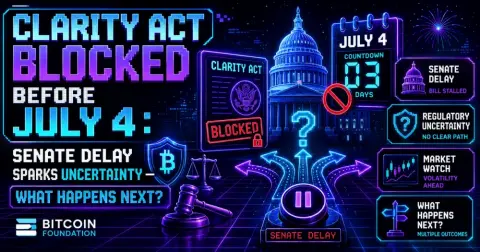
Out front, Jamie Dimon’s recent words spark friction with Coinbase leaders. This tension orbits around how America might shape its upcoming digital money laws. Sitting right in the middle – debate over the Clarity Act. That plan lays out rules covering tokens, platforms, stablecoins, storage, plus market activity.

Uncertainty sits at the center of Coinbase’s challenge. Clear rules would help more than prolonged legal pressure, the platform says. Over at JPMorgan, the CEO, Jamie Dimon, sees it another way. Without strong supervision, he questions whether digital asset firms should provide services that feel like banking.
Contents
- Jamie Dimon Faces Off Against Coinbase on Clarity Act
- JPMorgan CEO on Cryptocurrency Rules
- Clarity Act: Meaning and Reasons for Debate?
- Coinbase Stands Firm on Cryptocurrency Rules
- Why JPMorgan and Other Banks Are Resisting
- How the JPMorgan-Coinbase Dispute Affects Financial Markets
- What This Means for U.S. Crypto Regulation in 2026
- Is This Moment Shifting How Crypto Is Governed?
- FAQ
Jamie Dimon Faces Off Against Coinbase on Clarity Act
Why JPMorgan and Coinbase Are Clashing Now
Out of nowhere, tension grew over how the CLARITY Act handles stablecoins, trading sites, and user bonuses. While banks play by strict rules on capital, cash flow, deposits, and safeguarding customers, they’re uneasy – platforms like Coinbase might hand out rewards using stablecoins without following those same demands.
Dimon Questions Crypto Rules and Business Methods
Most of the time, when Jamie Dimon talks about crypto, he brings up scams, wild bets, poor oversight, and dirty money. This time around, the clash centers on something narrower – companies pushing into bank-like work while sidestepping the rules real banks must follow.
Coinbase Reacts to the Clarity Act
One way to see the Coinbase Clarity Act stance? Focus on clear rules for crypto. Instead of pushing back on oversight, the company asks lawmakers to spell out what counts as a digital asset. Think about who should regulate which parts – agencies need defined roles. Rules for trading platforms must be laid out plainly. How customer funds are held matters too; standards here help avoid confusion. Even reporting requirements get attention under this push. Not a plea to escape rules. More like asking for ones that make sense to obey.
Related: Top Crypto Billionaires May 2026: Who Made the Biggest Fortune This Cycle?
Why This Clash Matters for U.S. Crypto Policy
One reason this conflict stands out is that it reveals how divided regulators are on cryptocurrency oversight in 2026. While banks push for tighter control over crypto operations, firms in the space argue their work doesn’t fit old categories. Instead of one-size-fits-all rules, they point to distinctions – digital property versus bank funds, investment contracts versus raw materials, traditional finance against decentralized systems. What counts as risk looks different depending on who you ask.
| Issue | JPMorgan / Jamie Dimon | Coinbase |
|---|---|---|
| Main concern | Bank-like crypto products need bank-like rules | Crypto needs clear, workable regulation |
| Stablecoins | Possible deposit competition | Core digital asset infrastructure |
| Regulation style | Stricter oversight | Clear market structure |
| Key risk | Regulatory arbitrage | Policy uncertainty |
| Goal | Protect banking stability | Build compliant crypto markets |
JPMorgan CEO on Cryptocurrency Rules

Dimon’s Enduring Doubts About Cryptocurrency
Years back, Dimon started doubting cryptocurrencies. Their worth seems shaky, particularly if people just bet on price swings. Even so, his bank moved forward with distributed ledger tech. Digital asset platforms caught their attention, too. Behind the scenes, work grew on clearing systems for big financial players.
JPMorgan Weighs In On Stablecoin Regulations And Bank Policies
What JPMorgan thinks about cryptocurrency zeroes in on stablecoins. These coins might act like electronic money when buying, moving value, settling trades, or working within decentralized finance. When apps offer incentives for holding stablecoin amounts, financial institutions start comparing them to traditional deposits. The line blurs once the returns enter the picture. Banks see a shift toward something resembling savings accounts. That change raises questions under current rules.
JPMorgan Backs Tighter Rules for Crypto Companies
One reason JPMorgan backs tighter rules is that crypto platforms mix too many banking roles these days. Not just holding assets – also running markets, enabling staking, issuing stablecoins, moving payments, serving big clients.
When firms do all that at once, risks pile up fast. Oversight needs to tackle how money flows between departments. Liquidity crunches could hit without warning. Customer funds must stay separate from house operations. What users are told matters – clarity prevents trouble later. System failures aren’t rare either. Safeguards around daily management gaps can’t wait.
Read more: Who Is Michael Saylor and Why He’s Betting Billions on Bitcoin
The Gap Between How Institutions Accept Change and How Policies Push Back
One way to look at it: traditional finance might welcome certain blockchain uses but resist others. Even if banks adopt digital ledgers for payments, they won’t always accept decentralized alternatives. Think of big lenders using tokens behind closed doors yet blocking open financial networks. A firm like JPMorgan could build its own version while challenging outside players. Support for tech does not mean backing every project built on similar ideas.
Clarity Act: Meaning and Reasons for Debate?
Core Goals of the Clarity Act
One step at a time, the U.S. tries to shape rules for cryptocurrency trading. Instead of guessing, firms would know if an asset counts as stock, raw material, or something else under law. Because of this shift, companies gain clearer ground to stand on when dealing with digital money.
Related: What Is the Clarity Act and Why It Changing Crypto in 2026
How Governments Sort Digital Money
Where a token shows up for trading depends on how it’s labeled. Should regulators call it a security, rules tighten right away. Commodity status opens another route entirely. Oversight shifts, depending on the label picked. Disclosures change based on that choice. Access for buyers adjusts quietly. One word reshapes the whole journey.
Bill impacts exchanges such as Coinbase
Most days, uncertainty weighs on platforms like Coinbase. Clear rules might ease pressure tied to adding tokens, holding assets, letting users trade, and offering services. With a solid structure in place, trading venues could sign up, follow guidelines, and design features without guessing. This bill – the CLARITY Act – shapes whether that stability arrives.
Traditional Banks Resist Specific Rules
Older banks push back on some sections of the law, fearing crypto companies could face fewer restrictions doing work that looks a lot like banking. Take stablecoin incentives – those stand out. Institutions argue if the function matches, the oversight ought to match too. Firms in the digital space counter by saying these new kinds of money require their own tailored framework.
Coinbase Stands Firm on Cryptocurrency Rules

Clear Rules Help Everyone Understand What’s Allowed
Who really wins when rules stay foggy? Coinbase says nobody does. Legal bills pile up because guessing isn’t cheap. New features stall while teams wait. Big firms hesitate, unsure if they’ll step on landmines. Young companies pack up, heading where laws aren’t a maze. Regular people end up trusting places with shaky oversight. Clarity won’t erase rule-following. It just stops making it a gamble.
Coinbase Backs Clarity Act for Regulatory Consistency
One reason Coinbase backs the CLARITY Act? It might swap unpredictable enforcement actions for clear legal rules. Rather than guessing how outdated securities laws apply, firms would follow defined guidelines. Lawmakers shaping those frameworks beat courts deciding after lawsuits land. Clarity from legislation removes the pressure of legal uncertainty hanging over daily operations.
Coinbase’s Role in Shaping the U.S. Crypto Policy
Now speaking up, Coinbase stands out among U.S. crypto firms shaping rules. Innovation and open markets – that’s what the platform claims to back. Yet banks see something else entirely: a push for easier treatment by regulators. Not support for progress, they say, but self-serving exceptions.
Related: Who Is Mark Cuban and Why His Opinion Can Move the Crypto Market Overnight?
Institutional and Retail Market Differences
One market leans on simplicity – retail folks expect smooth entry and clear tools. Meanwhile, big players demand tight rules around holding assets, solid contracts, audit trails, rule-following layers, plus guardrails for danger zones. Coinbase moves between both worlds without favoring one. Each side pulls in a different direction.
Why JPMorgan and Other Banks Are Resisting
Worries Over Stablecoin Investment Returns
Money parked in stablecoins sparks heated debates. Not because it’s risky, but because it pays. Some say those payouts mirror what banks offer when you save with them. Shifts happen quietly – dollars trickle out of traditional accounts into digital tokens chasing yield. When that pattern grows, institutions feel the squeeze. Less cash on their books means less fuel for lending. A quiet drain becomes a concern. What looks like personal gain might reshape where money lives.
Banks Versus Cryptocurrency Services
Nowhere is the tension clearer than in finance’s shifting ground. Payment access, asset exchange, digital ownership records – crypto aims for them all through new networks. Meanwhile, traditional lenders hold firm across those very spaces. Power shifts slowly, yet momentum builds beneath the surface.
Regulatory Arbitrage Concerns
Some banks call it regulatory arbitrage. That’s when certain firms do nearly the same amount of work but follow fewer rules. Yet crypto companies disagree with that label, saying their digital assets aren’t built like traditional bank offerings at all.
Traditional Finance Systemic Risk Concerns
Out of nowhere, traditional finance brings up worries about system-wide danger. When big stablecoins get cashed out fast or exchanges collapse, trouble might travel. Especially if connections grow between DeFi and regular banks. That jolt? It’s what lenders point to when pushing stricter crypto oversight.
How the JPMorgan-Coinbase Dispute Affects Financial Markets
How Investors Feel About Crypto Rules
Uncertainty hits markets harder than tight regulations ever do. When Dimon challenges Coinbase, it tugs at exchange valuations, shakes stablecoin-based operations, affects companies betting on U.S. regulatory shifts. A solid legal framework might just steady things down the road.
Regulatory Uncertainty and Its Impact on Exchanges
One wrong move by lawmakers might shake exchanges hard. Revenue shifts when listing guidelines change. Balances shift under new stablecoin oversight. Institutional expansion slows if custody norms tighten. Future product plans bend with DeFi regulations. Years of Coinbase’s strategy may hinge on the CLARITY Act.
Stablecoin Shifts and Institutional Moves
Most of today’s crypto activity leans on stablecoins for moving money, swapping assets, or funding loans. Should American laws block reward programs tied to these coins, platforms might struggle to keep users around. On the flip side, permitting such incentives could push traditional lenders to rethink their edge.
Related: Coinbase’s Base Allows AI to Manage Crypto Wallets
Short-Term Versus Long-Term Market Responses
Headlines, last-minute changes, voting outcomes – these shape traders’ moves at first. What matters later is whether America builds a system people can actually use. Success could pull big players in faster. Failure might push much of the action overseas instead.
What This Means for U.S. Crypto Regulation in 2026
Growing Divide Between Banks and Crypto Firms
Now, at the heart of U.S. crypto regulation in 2026 sits the gap separating traditional banks from cryptocurrency companies. Most people say guidelines must happen. Yet what trips things up is how power lines form, who gets left out, and who ends up calling shots.
Possible Results From Discussing The Clarity Act
Should Congress move forward, one path might favor digital currency firms. Another route could tilt toward traditional lenders. A pause remains possible, too. Rules for stablecoins may peel off from those guiding trading systems. Clarity around platforms lifts companies like Coinbase. Restrictions on high-return offerings help banks stay competitive.
Regulatory Direction Under U.S. Policy Trends
One step forward for U.S. crypto laws doesn’t mean fewer rules ahead. Still, fresh regulations loom on the horizon. What really matters? If those rules make sense when used in real situations. Fairness might hinge on how well they balance competing needs. A closer look at the CLARITY Act reveals something: digital assets have slipped into core financial battles – over who holds value, moves money, guards funds, or gets through which doors.
Global Crypto Rules Shift
World attention stays fixed on American discussions. A practical system built there could inspire changes elsewhere. When division holds strong in the States, financial energy might drift toward Europe, Asia, or distant centers. The outcome shifts where digital money moves next.
| Factor | Why It Matters |
|---|---|
| Stablecoin rewards | Could affect banks, exchanges, and user incentives |
| Exchange registration | Defines how Coinbase and rivals operate |
| SEC vs CFTC roles | Shapes asset classification and enforcement |
| Custody rules | Important for institutional adoption |
| Final CLARITY Act language | Small changes can reshape the market |
Is This Moment Shifting How Crypto Is Governed?
What Happened When JPMorgan Met Coinbase
Right now, things are shifting because rules around cryptocurrency keep changing. Not just battles between digital money groups and government agencies anymore. Banks have stepped into the mix, too. Jamie Dimon stands for old-school control methods. While Brian Armstrong’s company pushes simpler laws made for crypto needs.
Who Holds the Stronger Case Under Regulation?
Fair points come from each camp. True, banks stress what matters – people’s money, perks, holding assets, cash flow – and these demand supervision. Sure, Coinbase hits a nerve: shaping fresh financial spaces by punishment alone? That won’t work, especially when government roles blur.
Investors Look Ahead
Watch how lawmakers phrase rules on stablecoin rewards – tiny edits might force apps overseas. Exchange sign-ups could hinge on one clause tucked near the end. Protections in decentralized finance may rise or collapse based on a single term. Who regulates what – the SEC or CFTC – rests between commas. Where custody is defined shapes who holds the risk. Even disclosure details, buried low, hold power to kill or free a service.
Long-Term Outlook for Crypto Regulation in the U.S.
One thing seems certain: more oversight lies ahead. This shift might not damage digital currency at all. With defined standards, real businesses gain footing, big players may join, and uncertainty drops. What remains unclear – will it become part of traditional banking systems, stand fully apart, or settle somewhere along that path?
FAQ
Jamie Dimon and Coinbase Conflict Explained?
What stands out most? The CLARITY Act takes center stage. Rewards in stablecoins stir debate nearby. Bank-style rules for crypto companies hover close behind. One follows another, yet each moves at its own pace.
Clarity Act Meaning in the Crypto Space?
A new U.S. bill could reshape how digital assets are handled across different types of property. One part outlines what counts as which category. Roles for government groups get spelled out clearly down the line. Trading platforms may follow updated guidelines moving forward. Storage rules aim to keep holdings secure under set conditions. Responsibility for following the laws falls on specific parties involved.
Why Do Stablecoin Yields Seem Controversial?
Stablecoin rewards look like deposits to banks. Yet crypto companies fit them into broader digital asset systems.