He does not build blockchains or run exchanges. Still, when Mark Cuban speaks about Bitcoin, people lean in. Ethereum? Same thing. Even Dogecoin gets attention when he weighs in. Traders might nod along or push back hard. Either way, the reaction spreads quickly, and that spark matters. In crypto, eyes follow voices like his. Where attention goes, movement often follows.
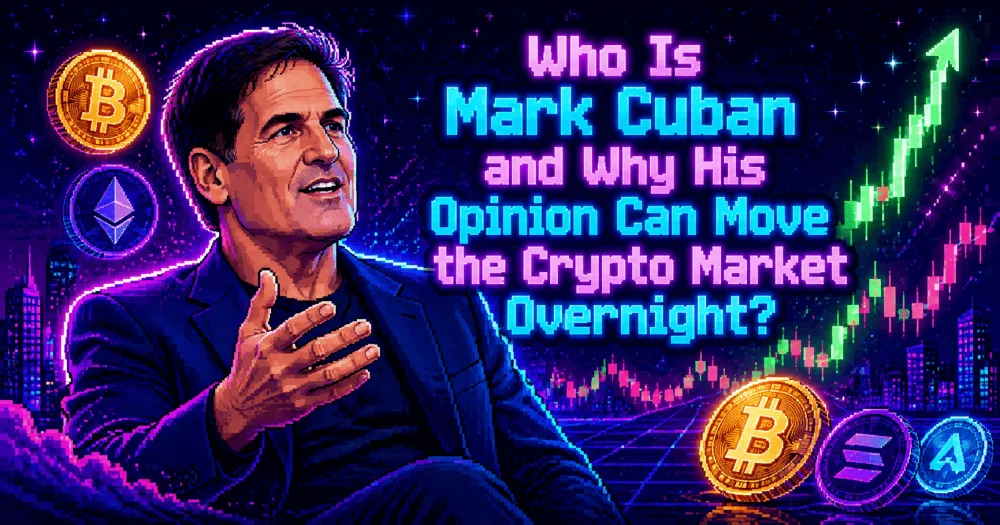
Here’s the thing about Mark Cuban: he shows up differently in crypto than most celebrity investors. He is not someone who simply jumped on board when prices soared. He is a billionaire builder, former Dallas Mavericks owner, Shark Tank investor, and public business figure who has spent years asking what blockchain gets right and where it stumbles. His voice sticks around because he walks through ideas, not just endorsements.
Money talks, sure. Yet it is how he uses the microphone that sets him apart. Cuban brings wide access to attention, consumer trust, startup credibility, and a long record of public business judgment. What sticks is not only what he says but that he shifts ground openly. He stood by digital assets early. He spoke up for builders behind them. He pushed using Dogecoin where people actually spend. He called out clumsy regulation. More recently, he stepped back from calling Bitcoin a reliable safety net. His words evolve when facts do.
That makes him powerful and risky for traders, depending on the moment. A single comment from Mark Cuban is not just talk. It acts like a pulse others react to. Not because it is loud, but because his path cuts through corporate boardrooms and crypto circles alike. Few figures link those worlds so clearly. That contrast shapes what people expect when he speaks again.
Contents
- Who Is Mark Cuban?
- How Mark Cuban’s Role in Cryptocurrency Gained Attention
- Why His View Shifts Markets Fast
- Mark Cuban Once Backed Bitcoin, But Now Questions Its Value
- Mark Cuban, Ethereum, and the Idea of Usefulness
- Mark Cuban and Dogecoin: From Meme to Market Move
- When Cuban Shifts Opinion, Traders Pay Attention
- The Cuban Effect: Where Trust Meets Volatility
- Why His Remarks Hit Retail Traders So Hard
- What Cuban Gets Right About Cryptocurrency
- Where Cuban Falls Short
- Could Mark Cuban Shift Away From Crypto?
- What Traders Should Watch
- Final Takeaway
- FAQ
Who Is Mark Cuban?
Mark Cuban built internet companies before the internet became mainstream. One moment he was backing startups; another, he was on TV judging pitches. The Dallas Mavericks carried his stamp: loud, visible, and different. His fortune grew during the late 1990s dot-com boom, when Broadcast.com was sold to Yahoo. It was timing, nerve, and knowing when to walk away.
What sets Cuban apart from many famous entrepreneurs is not just money. It is bluntness. You hear it right away. He talks like someone who enjoys debate and is not bothered by pushback. Crypto moves fast and is drawn to bold voices. Doubt slows things down. A firm take, even if risky, often sparks something new.
Mark Cuban stepped into the crypto spotlight partly because of how openly he spoke. When he saw promise, he said so. If he believed an idea was worthless, he called it out. Even when his own views shifted, he admitted it plainly. Cryptocurrency culture tends to reward people who speak without filters. Getting every detail right may not matter most, but standing firmly behind a claim still carries weight.
Related: Who Is Peter Schiff? Why He Criticizes Bitcoin and the Entire Crypto Industry
How Mark Cuban’s Role in Cryptocurrency Gained Attention
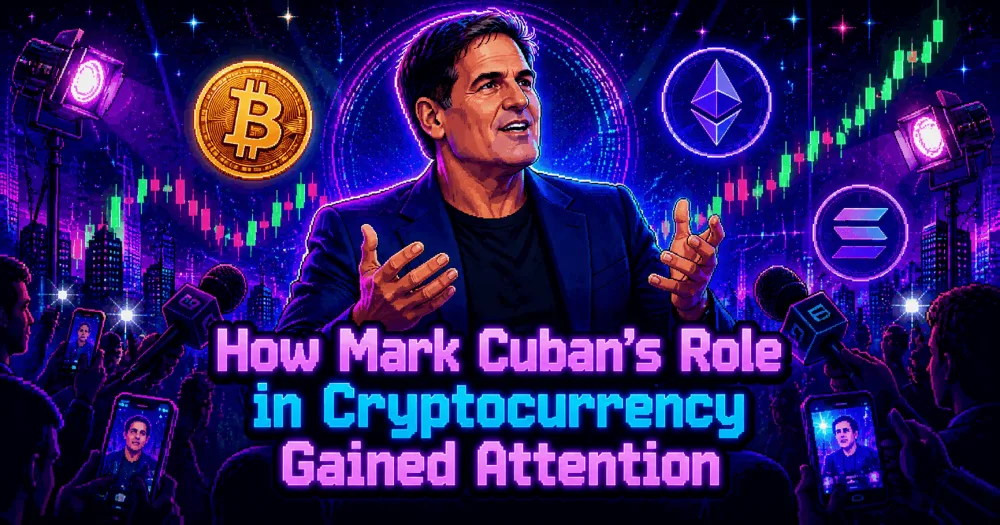
What made Cuban matter in crypto was not one sudden soundbite. Behind it lay years of visible steps, strung together slowly. One moment did not spark it. The pattern did.
Bitcoin came up in his conversations, and he saw it as a store of value. Ethereum drew his interest because programs could run on its network. Digital items? He gave NFTs space even when few took them seriously. Mavericks supporters could pay with digital money because of him. Dogecoin stopped being just laughter when he helped put it into real use.
What set Mark Cuban apart was the way he tied cryptocurrency to how people actually spend and behave. Payments became more than transactions; they reflected habits. Fans bought team gear using digital money. Loyalty showed up through online interactions. New businesses found backing through blockchain networks. His view grew from observation, not theory.
The Mavericks made Dogecoin matter by using it where people actually spend money. Did it change finance forever? Not even close. Smart strategy, though? Absolutely. The coin needed credibility. Cuban gave it proof: regular people could use it for game tickets and merchandise.
Most of the time, straightforward wins in crypto. A simple move often works better than a tangled one.
Why His View Shifts Markets Fast
What Mark Cuban says carries weight because cryptocurrency thrives on stories more than most markets do. Earnings reports push stocks up or down. Interest rate shifts steer bonds. A single line from a well-known figure can shake digital assets overnight.
Cuban holds influence by connecting different groups. Where others see separate worlds, he sees overlap. His presence bridges gaps most people do not even notice. That access gives him quiet power — not through force, but through position. Being where streams meet makes a person hard to ignore.
- Retail investors know him from Shark Tank.
- Sports fans recognize him from the Dallas Mavericks.
- Startup founders see him as someone with funding, experience, and questions.
- Crypto traders know him for engaging with Bitcoin, Ethereum, NFTs, DeFi, and Dogecoin.
- Mainstream media know he gives sharp quotes.
His words spread fast, jumping from finance blogs to viral posts, then into trader screens and group chats. Not everything Mark Cuban says shifts how markets work deep down. Yet attention bends where he points. With digital assets, shifting focus alone can move numbers for a while.
Related: Who Is Michael Saylor and Why He’s Betting Billions on Bitcoin
Mark Cuban Once Backed Bitcoin, But Now Questions Its Value
Cuban has not always viewed Bitcoin the same way. That is part of why traders pay attention. Staying stuck has never been his style.
Earlier, his view of Bitcoin leaned on its role as digital gold: a place to park value over time. This idea lines up with what many say about Bitcoin: scarce by design, operating without a central authority, acting as a buffer when government money weakens, and standing apart from central bank control.
Lately, though, Cuban has been let down by how Bitcoin behaves as a shield. His argument is direct: if Bitcoin stumbles while gold shines, the safety-net thesis starts to look weaker.
Just because Cuban questions parts of crypto does not make him against the whole industry. He draws a line. Bitcoin stands apart from everything else. That distinction gives weight to his words when markets listen. While many crypto voices back Bitcoin without pause, Cuban hesitates. What he saw did not match what was promised.
Such a comment lands differently. It feels less like a loyalty battle and more like someone adjusting his outlook after new evidence. The tone shifts from us-versus-them to measured rethink. Not loud. Just heavier.
Mark Cuban, Ethereum, and the Idea of Usefulness
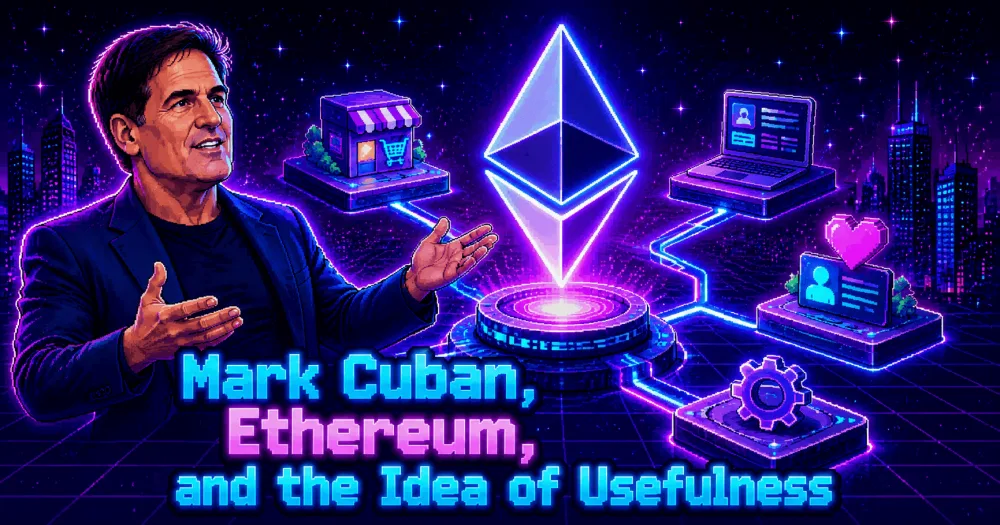
Cuban tends to sound more interested in Ethereum than in strict Bitcoin-only arguments. That makes sense. Ethereum actually builds things.
Bitcoin talks value storage first. It is not really about tasks it runs. Ethereum is different. It carries tools: code that acts, digital items, lending setups, tokens tied to real things. These pieces behave like parts of companies. They follow rules without middlemen. Cuban studies how businesses move money and make decisions. Ethereum fits that lens better.
Just because something works does not make it safe. Problems like slow speed, rivals, high costs, and unclear rules still hang around. Yet Cuban sees value where others hesitate because Ethereum’s backbone lets builders create things others cannot easily copy.
This is why Mark Cuban’s take on cryptocurrency carries weight. Real-world use drives his interest more than ideology. Praise from him makes traders ask what problem the asset actually solves. When criticism comes, questions follow: has the purpose faded, failed, or simply been overstated?
Mark Cuban and Dogecoin: From Meme to Market Move
Out of all the coins, Dogecoin showed Cuban’s influence most clearly. When the Dallas Mavericks started taking DOGE, it was not just for show. That move handed Dogecoin something rare for meme-based tokens: a reason people might believe in it beyond online jokes.
What Cuban said made sense on a real-world level. Many people were more willing to spend Dogecoin than hold it. With Bitcoin, owners often sit tight, hoping the price climbs higher later. Dogecoin is different. People treat it more like loose change, tossing it around without the same long-term attachment.
Most people found that difference clear enough. It also handed Dogecoin fans a solid argument: they were not just laughing, they were paying.
Read more: Dogecoin Price Prediction 2026: Is DOGE Still a Good Investment?
Could Dogecoin stand as serious money? Not really. Still, cryptocurrency never demanded that every project replace the Federal Reserve. A few believers, some spotlight moments, and occasional viral attention can do more than policy papers ever could.
Cuban gave Dogecoin three useful things: visibility, use, and legitimacy. For a memecoin, that is not nothing.
When Cuban Shifts Opinion, Traders Pay Attention
What matters is not just where influence stands. It is the moment it shifts.
A bull saying bullish things every day surprises nobody. Bears repeating doom gets old fast. Yet when someone once hopeful about crypto admits that a key promise disappointed him, that voice stands out.
That is what made Mark Cuban’s latest take on Bitcoin stand out. It was not the usual dismissal by a skeptic unfamiliar with digital money. It came from a person who had spent years discussing crypto, backing ideas tied to it, and testing how it works in real situations.
If Cuban sounds annoyed by how Bitcoin handles downturns, some traders start wondering whether its role fits expectations anymore. When big voices question an asset’s purpose, second thoughts spread quietly through trading circles. Frustration like his often hints at deeper shifts people are not naming yet. What seemed clear before can blur without warning. The market rarely shouts when ideas change. It murmurs first.
Just because he says it does not make it true. But the remark enters circulation fast.
The Cuban Effect: Where Trust Meets Volatility
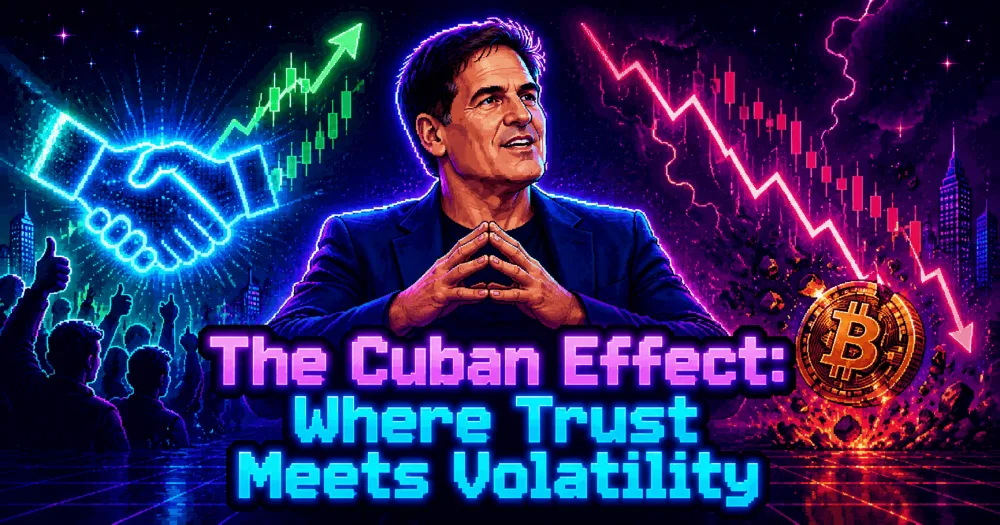
Crypto prices can jump when a famous person speaks because nobody fully agrees on how to price digital assets. Stocks have clearer numbers behind them: profit, revenue, margins, guidance. Bonds come with yields. Tokens live on stories, holders, liquidity, communities, and timing.
Power grows louder when some speak and others listen closely.
A well-known name like Mark Cuban gives weight to a world often seen as shaky. His nod toward any practical example can make skeptics pay attention. A sharp comment from him on a market thesis can make others second-guess their assumptions. His comments on regulation can shape how outsiders understand what is at stake, especially people who do not read whitepapers or technical filings.
This is not magic. Talking will not revive a lifeless token, not even for Cuban. Still, focus can shift when he speaks. In crypto, focus moves like money dressed differently.
Why His Remarks Hit Retail Traders So Hard
Cuban wins trust by skipping jargon. His words feel clear, not wrapped in banking slang and mystery charts. Many analysts lean on acronyms to mask doubt. Cuban usually skips that game.
His bluntness turns words into something people copy fast. Screenshots spread. Debate grows. In crypto, moments like these catch fire easily. One line stands alone online. From there, it becomes a post. That post pulls others in. Soon enough, replies stack up. What began small shapes how people see things. A story shifts into a trade. At some point, someone buys the top and calls it research.
Cuban also benefits from the Shark Tank effect. Viewers watched him shut down weak ideas with sharp questions week after week. When he talks about digital assets, many hear it through that lens: not hype, but a hard look at actual function. What matters is not excitement. It is whether the thing solves a problem.
His approval means something because he does not hand it out easily. Sharp words from him sting more than most.
What Cuban Gets Right About Cryptocurrency
Most of Cuban’s strongest views on cryptocurrency center on actual use. He sees technology as pointless without adoption. That lens beats obsessing over dollar signs every time.
He understands that each type of crypto has its own role. Bitcoin does something different from Ethereum. Dogecoin runs on a separate track from DeFi. NFTs operate under different rules than stablecoins. Privacy-focused coins are not built like exchange tokens. Lumping every cryptocurrency together makes for weak thinking, and Cuban tends to avoid that.
What stands out is his ability to separate what is merely talked about from what actually works. This matters because so many people in crypto confuse rising prices with real demand. Price jumps do not mean a project does anything valuable. A system might solve problems and still receive little attention for ages. Both truths can coexist because markets thrive on being unpredictable.
What Cuban does best is make people stop and ask: what does it actually do?
Where Cuban Falls Short
Wrong guesses happen, even to Cuban. Influence is not prophecy. Crypto shifts fast, and sharp minds sometimes miss when things catch on, how fast they spread, or what crowds will feel about them.
Maybe he has a point about Bitcoin not hedging well, yet timing changes everything. Weeks can go wrong. Months can go wrong. Even then, certain people still hold Bitcoin as money built to last. This is where trading gets messy: feelings compress time until days feel like decades.
Related: What Is America 250 Coin? Why This “Patriotic Token” Is Going Viral in Crypto Markets
Though he backed using Dogecoin for payments, that move did not solve its deeper problems: uneven control, shaky development, and limited financial depth. Still, the idea worked in small ways.
Cuban’s broader belief in crypto has also collided with an industry that repeatedly overpromises and underdelivers. That is not on him. Wild inventions show up regularly — clever tech, broken incentives, and teams selling too hard. It works like clockwork: genius paired with bad rewards, then marketed like salvation.
Could Mark Cuban Shift Away From Crypto?
Maybe. The crypto world is growing older. It is not just famous people talking anymore. ETF flows, new regulation, institutional custody, stablecoins, tokenized assets, and government decisions now weigh more than any celebrity comment alone.
Even now, Cuban still matters because cryptocurrency has not fully matured. The market is driven by stories, shaped by influencers, and spread across social feeds. When someone well-known speaks, reactions come fast — especially if people are already unsure which way to move. Momentum shifts easily when trust meets timing.
The more emotional the market, the more powerful voices like Cuban become.
If Bitcoin is already struggling, a harsh Cuban comment can add pressure.
If Ethereum picks up speed, Cuban’s practical arguments can reinforce attention.
If Dogecoin stirs again, traders may remember the Mavericks payment story.
Not every move comes from him. Yet when a shift begins, he can speed it up.
What Traders Should Watch
People who follow markets should pay attention to what grabs Mark Cuban’s eye in crypto. Three things matter: the asset he mentions, whether he is reinforcing or challenging the trend, and whether he is talking about price or use.
First, which asset matters here? If it is Bitcoin, that shifts how people see the broader crypto picture. When Ethereum comes up, thoughts turn toward utility and code-driven applications. Mention Dogecoin, and suddenly retail emotion and memecoin psychology take over.
Second, does he push what is already happening or go against it? Timing changes everything. When Bitcoin drops and Cuban says the safety-net idea broke down, those words weigh more heavily. The same line might barely register during a euphoric rally.
Third, does he mean price or function? What grabs attention is not only the number on a screen. It is how Cuban sees digital money being used. When he focuses on real tasks it might handle, the discussion grows deeper. Talking about charts creates quick sparks. But those flames often die fast.
Final Takeaway
Mark Cuban can shift how people think about cryptocurrency. His name carries weight not from fame alone, but from years of diving into technology debates, startup investing, payment experiments, and public arguments about what actually works.
Retail investors recognize him. Business experience backs what he says. He once helped test digital payments in a real consumer setting. While others cheer projects blindly, he questions them, especially when promises collapse. Regulation? He talks plainly about it. Some call coins revolutionary until flaws show up. Then silence follows. Not him. He points at function over flash.
That is why traders listen.
His opinion matters most when it touches fragile market stories: Bitcoin as a wealth shield, Ethereum as useful infrastructure, Dogecoin as spendable crypto, or regulation as a threat to innovation. Cuban does not need to control the market to influence it. Shifting attention is enough.
In crypto, overnight moves often begin when attention meets liquidity.
FAQ
Who is Mark Cuban?
Mark Cuban is a billionaire entrepreneur, investor, media personality, and former majority owner of the Dallas Mavericks. He became widely known through business ventures, Shark Tank, and his public views on technology, investing, and cryptocurrency.
What is Mark Cuban’s role in cryptocurrency?
Mark Cuban became important in cryptocurrency because he brought mainstream credibility, retail recognition, and practical experiments into the space. He has discussed Bitcoin, Ethereum, NFTs, Dogecoin, DeFi, and regulation while testing some crypto use cases in real life.
Can Mark Cuban influence crypto prices?
Yes, Mark Cuban can influence short-term crypto sentiment, especially when his comments align with an existing trend. He does not control prices, but his words can pull attention toward certain ideas, assets, or risks very quickly.
What is Mark Cuban’s view on Bitcoin?
Mark Cuban once viewed Bitcoin as a form of digital gold and a possible store of value. More recently, he has questioned whether Bitcoin works well as a hedge when it fails to perform during moments when gold looks stronger.
Why did Mark Cuban support Dogecoin?
Mark Cuban supported Dogecoin by using it for payments through the Dallas Mavericks. He argued that people seemed more willing to spend DOGE▲$0.0778 than Bitcoin, making it more practical for small consumer transactions.