For users asking what is USNS coin, the project presents itself as a Solana-based cryptocurrency focused on nuclear reserve verification, supply chain tracking, and energy market transparency.

Contents
What Is USNS Coin (United States Nuclear Supply)?
Overview of the United States Nuclear Supply Project
It is mainly focused on tokenizing and registering data related to US uranium reserves and logistics on Solana blockchain.
Since its launch in May 2026, the token has become prominent within the speculative energy crypto token and infrastructure-focused Solana crypto-asset space. Token tracker websites show the token as having low liquidity and in a speculative phase.
Related: Top SOL Tokens Dominating the Market: Solana Memecoins Pumping Again
The Mission Behind USNS
USNS crypto seeks to improve the visibility of the nuclear supply chain. It claims to provide immutable blockchain records of reserve audits, refinery production data, reactor telemetry, and supply chain activities powered by Solana-based verification systems.
While these reports could not be corroborated, they reflected the growing concern in the United States over domestic uranium and nuclear fuel supply and, more generally, the importance of the nuclear fuel supply chain globally; this issue has been the subject of rising scrutiny and calls for energy independence in recent years.
Why Nuclear Energy Is Becoming a Crypto Narrative
Interest in nuclear energy crypto projects has been increasing with the development of nuclear energy, the increasing electricity demand from artificial intelligence systems, supply chain problems related to uranium, and discussion around the role nuclear energy could play in long-term energy futures.
The market has also seen smaller speculative cryptocurrencies like the USNS token become more popular among traders rotating capital from Solana memecoins into infrastructure-themed assets. The space is still relatively new and speculative, with many projects lacking an audited system and a lengthy operating history.
| Feature | USNS |
| Blockchain | Solana |
| Token Standard | SPL |
| Main Narrative | Nuclear supply infrastructure |
| Sector | Energy / RWA speculation |
| Trading Type | Primarily decentralized exchanges |
| Market Status | Early-stage speculative asset |
| Core Focus | Supply chain transparency |
| Key Risk | Limited verified infrastructure data |
How Does USNS Work?
USNS on the Solana Blockchain
USNS Solana infrastructure is built on Solana blockchain network, which is noted for high transactions per second (TPS) and low transaction fees compared to many other blockchain ecosystems. Over the last few years, Solana has become an active network for speculation, DeFi projects, and real-world assets experimentation.
As stated in its public-facing documentation, USNS crypto uses Solana to log supply data and token transfers between decentralized wallets and exchanges. The design of the network also allows token projects to issue SPL tokens and perform transactions at a fast speed, which has resulted in many new Solana tokens being issued on-chain.
Nuclear Supply Chain and Asset Verification Concept
At a high level, the core of the United States Nuclear Supply ecosystem is the intention to record nuclear supply infrastructure, uranium transportation, and declarations of reserves on the blockchain. Despite the vagueness of project documentation, data on the nuclear supply ecosystem could theoretically be recorded on-chain.
This is consistent with the broader crypto push for real-world assets, where blockchain protocols look to bridge off-chain assets or infrastructure with native protocol tokens.
Read Also: Avalanche 2026 Upgrade: What It Means for AVAX Network Performance and Adoption
Solana ecosystem has seen increasing activity around tokenization and real-world asset applications in the past few months, particularly in the financial infrastructure and asset tracking space.
However, little can be independently verified about the existence of project partnerships in industry or any direct relationship with nuclear suppliers, which means almost all information related to the USNS token is speculation or conjecture.
Key Features of the USNS Ecosystem
Project features have focused on on-chain transparency, the narrative behind reserve-backed assets, access to decentralized trades, quick settlement times powered by Solana, and low transaction costs. Other factors in the project’s favor have included a purportedly simple adoption by decentralized exchanges.
Investors should also be aware that the majority of early tokens built on top of Solana are highly exposed to the extreme market conditions we have seen across NFT markets. Academic research and blockchain security inspections have repeatedly shown that low token creation costs may lead to speculative trading and rug pull schemes.
USNS Tokenomics Explained
USNS Token Supply
Information on USNS tokenomics is limited, and no explicit breakdown of how the tokenomics works has been published or audited like other larger crypto protocols.
As of now, trackers following the blockchain indicate that the token is an SPL token on Solana and that its circulating supply is derived from decentralized market aggregators and decentralized exchanges.
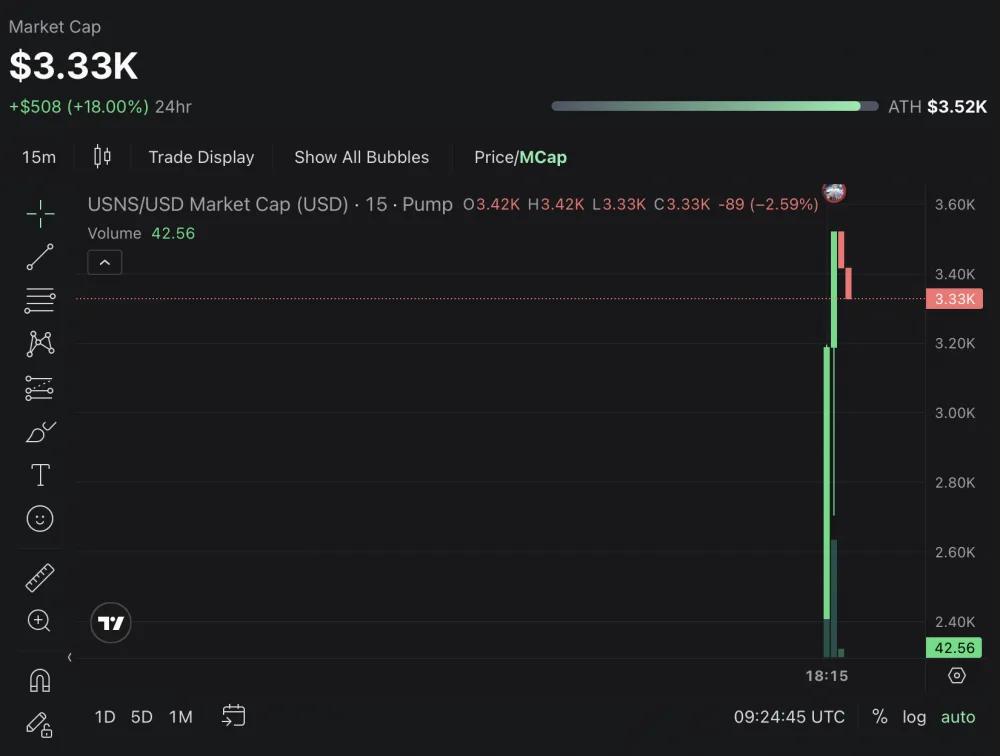
The project is at an early stage, so USNS token supply and liquidity can be subject to changes. It is advisable to follow USNS official contract address and on-chain activity through Solana explorers rather than relying exclusively on social media.
Distribution and Allocation
At the time of writing, the United States Nuclear Supply token team has not published a transparent allocation model for treasury reserves, ecosystem incentives, private allocations, and the associated vesting schedules.
While a lack of disclosure is common in newly launched speculative Solana assets, it increases risk for traders building long-term exposure to a token.
On-chain analysis is also used to understand wallet concentration metrics and liquidity distribution. However, as many Solana projects are at an early stage, concentration in these tokens may result in more volatile price movements due to the impact of large token holders who decide to sell large quantities of tokens.
| Category | Current Status |
| Supply Transparency | Limited |
| Audited Tokenomics | Not published |
| Vesting Details | Unconfirmed |
| Exchange Presence | Mostly DEX trading |
| Utility | Governance and ecosystem access |
| Infrastructure Partnerships | Not independently verified |
Utility of the USNS Token
USNS crypto has been officially described as the transactional and governance layer of the ecosystem that will give access to infrastructure supply, verification systems, and, in the future, tools for participating in said ecosystem. The project has been connected to narratives surrounding transparency and monitoring of blockchain infrastructure.
Further, with many possible USNS use cases having not yet been implemented into products, trading and speculation appear to be the primary force behind USNS crypto price movements, not unlike other newly issued Solana-based tokens with limited historical data.
What Makes USNS Different From Other Energy Tokens?
USNS vs Traditional Energy Cryptocurrencies
Unlike most older energy crypto tokens, typically focused on renewable energy, carbon credits, or decentralized electricity supplies, USNS crypto is marketed mostly as part of a nuclear supply chain and uranium fuel infrastructure.
The International Energy Agency has advocated that nuclear power needs a more prominent place in long-term energy security planning.
However, public information surrounding the USNS crypto project remains limited, and there is no independently verifiable evidence of partnerships with major infrastructure operators or nuclear facilities.
Real-World Asset (RWA) Narrative and Nuclear Infrastructure
As blockchain development has matured around projects involving RWA, including tokenizing real assets and infrastructure data, speculative communities in Solana blockchain ecosystem have taken up USNS RWA token discussions.
There has been no conclusive evidence to date that the project has control of any uranium, any nuclear facilities, or industrial infrastructure.
Read Also: Why Stablecoins Are the New Global Payment Layer in 2026: The Shift in Global Finance
Most information available (e.g., promotional materials, market trackers) relies on unverified operational reporting from third-party sources.
Potential Advantages and Limitations
In USNS coin support, proponents have pointed to its combined coverage of Solana speculation and nuclear infrastructure, to the interest generated by electricity demand and uranium supply chains, and wider industry growth.
At the same time, many new Solana tokens have been highly volatile, opaque, and speculative. Researchers have also warned that the low barrier to creating tokens on Solana has led to numerous cases of manipulation and rug-pulling with newly launched or one-off tokens.
USNS Price Outlook
Factors That Could Influence USNS Price
USNS crypto price will likely depend on the wider Solana ecosystem, liquidity growth, community participation, and the overall sentiment towards speculation on infrastructure tokens. Since the project is still in its early stages, the price is more driven by volume and momentum rather than actual adoption.
Solana ecosystem is also influential. It is one of the largest blockchain ecosystems by market capitalization and trading volume, and smaller tokens can regularly rely on demand from Solana for liquidity.
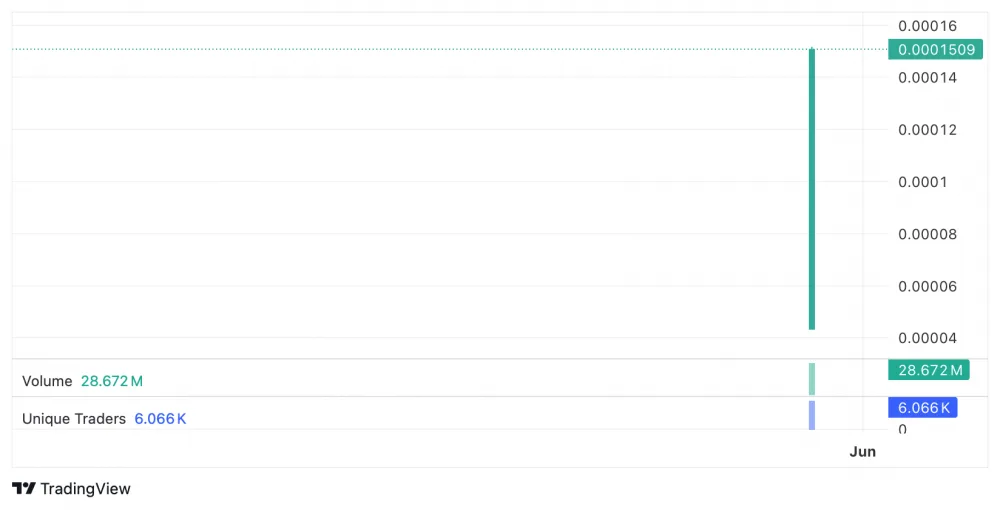
Transparency could also affect long-term sentiment, in that if they were to publish their audited tokenomics, partnerships, and integrations, investor confidence could also grow. Increased lack of independently verified operational data could also be harmful to USNS coin credibility.
Market Sentiment Around Nuclear Energy Tokens
Similar narratives concerning nuclear energy have emerged from increasing demand for energy generation and revived concerns about uranium supply chain security, attracting speculators to on-chain nuclear energy crypto projects, especially via dedicated Solana trading groups.
Conversely, these markets are highly narrative-driven and affected by the wider crypto cycle, with small-cap Solana assets witnessing higher volatility in both bull and bear periods.
Risks Investors Should Consider
Like many other new Solana tokens, USNS carries a high risk of being a scam. There is little public information about USNS, and there is no independently verified evidence that the project has any connection to nuclear infrastructure or uranium supply.
Liquidity can be an issue, too. When trading volume is lower, less liquid tokens can see large price volatility and mood changes. However, researchers studying Solana-based speculative assets have warned that newly launched projects may be more exposed to manipulation and rug-pulls.
Consequently, investors questioning is USNS a good investment should recognize that the token currently trades more on speculation and market narrative than proven infrastructure adoption.
How to Buy USNS Coin
Create a Solana Wallet
Users looking to buy USNS coin first need a Solana-compatible wallet that supports SPL tokens. Examples of third-party wallets include the Phantom, Solflare, and Backpack wallets, letting users to manage and store SOL▲$82.41 tokens in the wallet and ease transactions on decentralized exchanges using the browser extension or mobile application.
By most measures, Solana is among the largest smart contract ecosystems in crypto, with many active addresses and decentralized exchange volume.
The user must store the wallet recovery phrase in an offline manner after generating the wallet. Because Solana-based tokens are commonly traded through decentralized applications, it is critical to protect Solana wallet from unauthorized access.
Buy SOL and Fund Your Wallet
USNS coin must be purchased using SOL, which is used for network fees and to perform the token swap on Solana blockchain. SOL can be purchased from centralized exchanges and sent directly to a user’s Solana wallet.
Since then, market data has placed Solana as one of the largest cryptocurrencies, measured by its market capitalization and trading volume.
Users will want to keep a small amount of SOL in their accounts for transaction fees. Solana’s fees are relatively low compared to other blockchains, but small amounts of SOL can be consumed by failed or retried transactions in times of high network activity.
Find the Official USNS Contract Address
Traders should ensure they are trading the correct contract address before swapping tokens. Fake Solana tokens often have the same name and ticker symbol as popular ones. Trading on the correct contract is one of the safest ways how to buy USNS.
Read Also: Why Is Ethereum Price Still Dropping? ETH Technical Analysis & Market Outlook
Security researchers and DEX analytics websites advise cross-referencing contract addresses with official project channels and blockchain explorers.
Users should not rely solely on mint addresses provided on social media or Telegram. To avoid spotting scam tokens and phishing efforts, they can find mint addresses listed on established Solana explorers or decentralized exchange tracking websites (DEX trackers).
Swap SOL for USNS on a Decentralized Exchange
After receiving verification for the token contract and funding the wallet, the user can connect the wallet to a Solana DEX (decentralized exchange) and swap the SOL for the USNS token. Solana’s ecosystem provides the ability to trade hundreds of millions of dollars worth of value in a day and rapidly trade newly minted assets.
However, database studies of DEX ecosystems have repeatedly found manipulation, scam tokens, and rug-pulls to remain popular in permissionless crypto markets.
Store USNS Securely
After purchasing the USNS token, users typically store it in a non-custodial (private-key controlled) wallet such as Phantom or Solflare, which support assets using the SPL standard.
Security is a consistent issue for speculative Solana tokens specifically, with researchers consistently highlighting phishing links, malicious token contracts, and wallet-draining scams targeting Solana users.
When researching USNS crypto, check wallet permissions, avoid sharing recovery phrases, and think about using hardware wallets for long-term crypto storage.
FAQ
Is USNS a Real-World Asset (RWA) Token?
The project has been called an RWA since it seems to endorse narratives associated with nuclear energy infrastructure and supply chain, but no independent consensus evidence suggests the project has acquired any assets or is involved in their management.
What Blockchain Is USNS Built On?
The token is native to Solana ecosystem, which contains decentralized exchanges, memecoins, and other applications with lower fees and faster block times.
Where Can You Buy USNS?
Most trading on Solana happens through decentralized exchanges that operate on Solana blockchain. A compatible wallet with SOL is typically required to access DEX trading.
Is USNS Available on Centralized Exchanges?
As of writing, there are no confirmed listings on major centralized exchanges, with the huge majority of visible activity taking place on decentralized Solana markets.
What Are the Main Risks of Investing in USNS?
Any USNS review should also consider the risks tied to speculative low-cap cryptoassets, including liquidity concerns, transparency issues, and manipulation within newly launched token ecosystems.