By 2026, cryptocurrency had stopped being just something people bet on. Instead, it became part of how money moves worldwide. Bitcoin now stands close to full acceptance by big financial players. Apps running on Ethereum shape daily digital life.
In the meantime, a small group of powerful individuals has risen alongside this shift. These top crypto millionaires and billionaires come from different paths – some built major trading platforms. Others designed stablecoins that hold steady value. Then some got in early and stayed through the chaos. Together, they weathered strict rule changes between 2024 and 2025. Their wealth shows who adapted fastest when everything was reshaped.
Contents
- Who Is the Richest Crypto Billionaire in 2026?
- How Crypto Net Worth Gets Figured
- Changpeng Zhao’s Net Worth and the Rise of Binance
- CZ’s Wealth: BNB Holdings, Equity Stakes, and Trading Fees
- Giancarlo Devasini's Net Worth and Tether's Influence on the Crypto Market
- Brian Armstrong's Net Worth Rises with Coinbase Expansion H2
- Chris Larsen's Net Worth and Ripple's Role in Global Finance
- Justin Sun’s Wealth and Tron’s Growth
- What Makes Top Crypto Billionaires So Rich?
- Crypto Billionaires Against Traditional Wealth
- Next Crypto Billionaires to Watch in 2026
- FAQ
Who Is the Richest Crypto Billionaire in 2026?
Who tops the list of crypto billionaires in 2026 isn’t straightforward – measuring it differs greatly from old-school stock assets. While fortunes built on factories or railroads tend to stay put, digital asset worth shifts constantly, swayed by price swings that come with each new market phase. Then there’s the mix: some holdings are cash-ready coins, others tied up in startup bets, still more locked inside privately held trading platforms.
Full Ranking Overview
By mid-2026, fortunes among leading cryptocurrency billionaires swelled sharply – big money from institutions poured into spot ETFs while DeFi platforms gained traction. At the top sit a few key players: exchange operators and makers of stablecoins control much of the flow. These gatekeepers thrive where value moves constantly through their systems. Their net worth estimates vary.
Changpeng Zhao. The estimated net worth is $60 billion – $80 billion
Giancarlo Devasini. The net worth is $12 billion– $22 billion
Brian Armstrong is worth $12 billion – $14 billion
Chris Larsen is worth $7 billion – $13 billion
Justin Sun. $8 billion – $9.5 billion estimated.
How Crypto Net Worth Gets Figured
Figuring out the real list of the richest people in crypto by 2026 means digging deeper than just visible wallets. Money here usually comes from three main sources, though – ownership stakes often hide behind layers others rarely see. Some gains appear only when markets shift suddenly. A portion ties directly to project control, not coin counts. Then there are private deals, sealed away from public eyes entirely
Keeping actual coins: examples include Bitcoin, Ethereum, along with BNB▲$572.56 or TRX▲$0.3220 tied to specific platforms. Ownership is straightforward, no intermediaries involved.
The value of private firms like Binance, Tipe, and Ripple is reflected in recent investment deals. Their value comes not from stock prices but from how much money they have made or raised before. Think of it as a snapshot taken when investors last handed over cash. Funding events set the price tag rather than public trading. Revenue figures play a role too – sometimes more than past investments. Numbers shift once new capital enters. These estimates stay rough until shares trade openly. Still, growth speed affects what each company appears to be worth.
Some billionaires rake in huge returns during 2026, just for checking transactions on systems they created earlier. Instead of working daily, they earn big through network validation. Because they built parts of these platforms long ago, money flows steadily now. Their role? Confirming blocks behind the scenes. Over time, that quiet task adds up – massive gains arrive without active effort. Behind closed doors, their influence keeps paying off.
Changpeng Zhao’s Net Worth and the Rise of Binance
Even after facing court battles lately, Changpeng Zhao’s (CZ) wealth still tops the ranking among cryptocurrency billionaires. What sets him apart isn’t flash but bones – his work builds the hidden frameworks powering digital finance today.
Read more: Changpeng Zhao Proposes $1 Billion Bet to OKX CEO Over Divorce Dispute
How Binance Grew Into the Biggest Crypto Exchange

Still on top, Binance holds firm as the world’s leading trading platform. In 2026, its grip comes from bending rules locally without slowing down trades or drying up market depth – good for everyday users, just as much as big financial players. After shifting hard into compliance back in 2024, it pulled in waves of money from institutions across Europe and Asia. That move boosted CZ even higher among crypto’s wealthiest names.
CZ’s Wealth: BNB Holdings, Equity Stakes, and Trading Fees
Most of CZ’s wealth comes from owning a big part of Binance. Yet it’s his stack of BNB that really lifts his net worth. By 2026, BNB isn’t just coin – it powers every move on the BNB Chain. With Binance raking in huge fees, mostly settled in BNB, the way tokens get burned over time pushes scarcity up. Because of this slow shrink, plus more apps building on the chain, his pile of BNB acts like a hidden vault worth many billions – on par with entire firms listed in the S&P 500.
Giancarlo Devasini’s Net Worth and Tether’s Influence on the Crypto Market
When CZ runs the platform, Giancarlo Devasini controls the cash flowing through it. Holding the role of CFO, he shaped Tether from the start – its rise mirroring his own. With USDT▲$0.9991 taking hold across digital finance, his personal fortune climbed fast, tied tightly to its dominance.
Why USDT Dominates the Stablecoin Market
One way or another, by 2026, USDT from Tether will handle more than three-fourths of every stablecoin transaction worldwide. Even as newer, rule-following rivals appear on the scene, early entry plus strong trading activity across developing regions – especially across the Global South – keeps Tether in demand. Not just any link between traditional money and digital assets – it stands at the center. Because of how Devasini oversees its backing funds, Tether now ranks among the planet’s most efficient profit generators relative to staff size.
How Tether Makes Money
What makes Tether clever isn’t complexity. Instead, it uses real money from users to create USDT, then puts that cash into U.S. government bonds and Bitcoin – both paying solid returns. Because interest stays elevated well into 2025 and beyond, the profits pile up fast without taking big risks. That gap between cost and return fuels most of Devasini’s fortune, lifting him near the very top of cryptocurrency billionaires. So much wealth stems not from luck but a steady financial loop few saw coming.
Brian Armstrong’s Net Worth Rises with Coinbase Expansion H2
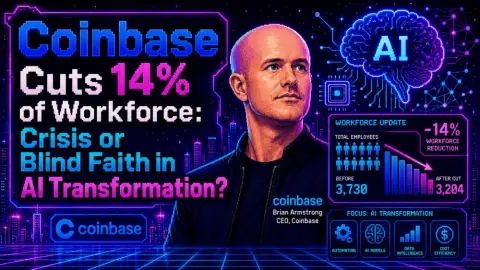
Out west, Brian Armstrong’s fortune sets the benchmark for clear-cut digital money success. Being at the helm of America’s sole big exchange listed on public markets, his financial standing stands out for how open it is here.
Coinbase and The Move By Big Investors

From a simple app for everyday users, Coinbase now safeguards digital assets for top global funds. Most Bitcoin and Ethereum ETFs by 2026 will rely on their storage systems behind the scenes. Because big finance leans so heavily on it, regulators see the company as too crucial to fail. Years of pushing rules-first innovation have placed Armstrong exactly where he aimed.
Related: Coinbase Introduces Virtual Managers. AI Agents Already Working in Slack and Email
Stock Value Compared to Crypto Holdings
One reason Armstrong’s fortune swings so wildly? His stake in Coinbase stock. That piece sits alongside personal cryptocurrency holdings, separate but massive. Come 2026, old-school investors will treat COIN like a turbocharged version of Bitcoin exposure. So when BTC▲$62,630.00 climbs, shares of COIN tend to climb faster – sometimes much. Because he owns so much, his total value can shift by vast sums before lunch.
Chris Larsen’s Net Worth and Ripple’s Role in Global Finance
Still, talk about the Ripple co-founder’s wealth keeps going strong – mostly because of how XRP▲$1.13’s story has dragged on for years. Not chasing trends, Chris Larsen has held firm by working behind the scenes, fixing what banks actually rely on day after day. That quiet effort has kept him well above the five-billion mark.
XRP’s Part in World Money Transfers
By 2026, Ripple’s system for instant money transfers – called On-Demand Liquidity and then rebranded as Ripple Payments – is running through hundreds of banks worldwide. Instead of chasing trends in decentralized finance, Larsen steered his company toward the massive world payments sector worth $150 trillion. In each deal, XRP serves as the middle step that connects different currencies; when activity picks up, the worth of what Larsen owns rises along with it.
How the SEC Case Affects Financial Standing
Midway through 2024, when Ripple won its long battle in court, everything shifted quietly but deeply for Larsen. Because the judges ruled XRP wasn’t a security after all, big trading platforms brought it back without delay. Prices climbed fast once markets reopened, fueled by renewed trust. Holding tight during the uncertain years before that decision turned out to be his quiet strength. While others wavered, he stayed put – which explains why names like his still appear among crypto’s wealthiest half a decade later.
Justin Sun’s Wealth and Tron’s Growth
Justin Sun’s wealth might shift more than any other here. From one blockchain, its creator built an empire now filled with trading platforms, digital currencies, and base-layer networks.
Tron Network and Decentralized Finance Strength
One step ahead in 2026, TRON handles more USDT moves than any other chain worldwide. Its quick processing and tiny costs made it the go-to system for everyday transactions across borders. Not far behind, Sun’s fortune rises directly with how much value stays locked inside TRON’s financial apps. Deep within that space, he supplies large pools of coins while helping shape key decisions.
Related: Sun Pump Crypto Guide 2026: How to Use Memecoin Platforms
Strategic Investments and Acquisitions
Out near the edges of digital finance, Justin Sun moves quietly through deals that reshape his reach. Following the purchase of BitTorrent, momentum carried him into Poloniex next. One after another, these additions stack up – each piece locking into place without fanfare.
Influence spreads sideways now, including the major exchange Huobi (his most recent acquisition). Instead of betting everything on one chain or exchange, he spreads weight like water finding its level. When one platform wobbles, others hold steady beneath his name. That balance keeps him anchored at the upper tiers, regardless of which coins rise or fall tomorrow.
What Makes Top Crypto Billionaires So Rich?
Start by noticing the patterns inside blockchain markets. Money flows where trust shifts fast. Watch what happens when networks grow without banks. Value hides in code that few check closely. Follow the moves behind token launches. See control change hands quietly. Notice timing more than totals. Power sits where rules bend first.
Exchanges Compared to Layer One Creators
Most of what exchanges earn ties to activity – they charge a slice per transaction, steady regardless of price swings. Founders building base networks, think Sun or Larsen, gain when value climbs alongside wider adoption. Should their system become the go-to path for certain tasks, the native coin can swell into vast worth.
Stablecoins with passive income models
One quiet method stands out for building massive wealth by 2026 – stablecoins. Instead of flashy ventures, some founders tap into calm financial flows. Take Devasini, who locks down huge cash pools in regular currency. These piles earn steady returns, all while digital tokens float above them like reflections on water. Running such a system burns far less energy than old-school banks. Less staff, fewer buildings, thinner costs. The engine hums without needing much at all.
Early adopters gain an edge
Most folks worth big money in crypto got started before 2017. Watching Bitcoin grow from five hundred dollars to well over a hundred thousand turns time into power – something regular markets can’t match that fast.
Crypto Billionaires Against Traditional Wealth
Most wealthy figures in cryptocurrency aren’t like Buffetts or Musks – mainly because things move fast, then shift again overnight. Wild swings shape their fortunes differently than traditional giants.
Speed of Wealth Creation
Years passed before Warren Buffett reached billionaire status. In contrast, some crypto fortunes bloomed in under a decade. Always-on trading fuels this speed. Boundless access shapes markets where growth explodes overnight. Physical limits do not apply here.
Risk Volatility Regulation
A regular billionaire may lose five percent of their fortune during a rough year. Yet one month could erase half the value for someone rich from cryptocurrency. That kind of swing demands a different mindset around money. Sticking tight matters more than reacting fast.
Next Crypto Billionaires to Watch in 2026
Who makes the list shifts every year by 2026. Fresh names rise, arriving through AI labs and decentralized networks.
Emerging Founders
Look at those building Layer-2 networks and what some call “modular” chains. When Ethereum grows big enough for billions, the people behind the fast routes – those L2 paths – are gaining wealth faster than before. Their value climbs as more rely on the systems they control.
New Trends in AI, Web3, and DeFi 2.0
One year before 2027, machine learning from blockchains starts shifting fortunes. Those building tools that check artificial intelligence inputs on distributed ledgers tend to rise fast. Some even reach elite circles among digital asset earners within four years. People powering these systems through shared hardware networks often gain the most. By decade’s end, a few sit firmly in the upper tier of token holders.
FAQ
Who owns the biggest cryptocurrency wealth in 2026?
Still on top, Changpeng Zhao holds more than $80 billion, thanks mostly to his stake in Binance along with large amounts of BNB tokens. His wealth remains unmatched even as markets shift.
How do crypto billionaires make money?
Money comes mainly from fees tied to trades on their platform, plus returns generated by holding cash-like digital assets. Gains also appear when their own coin increases in value over time. Early bets on new companies add another layer of income, growing quietly behind the scenes.
Could the fortune of Ripple’s creator have grown?
Chris Larsen’s wealth climbed sharply after 2024, thanks to clearer rules around Ripple – then again, the world started using its payment system more widely. By mid-decade, gains piled up, not just from court outcomes but because banks abroad began testing the tech.
One reason stood out: uncertainty faded when regulators stopped treating XRP like an unregistered security. Still, growth didn’t come overnight; it built slowly as partnerships formed across continents. That shift, combined with steady usage spikes, lifted his numbers higher each year.
Are crypto billionaires more at risk than traditional billionaires?
Most of the time, sure. Wealth tends to pile up in unstable investments, while shifting international rules can suddenly alter what’s allowed or how easily things are sold.