According to fresh data, bitcoin no longer follows central bank decisions. It now sets trends on its own.
Binance Research analysts concluded that bitcoin now prices in future macroeconomic trends in advance. Previously, the cryptocurrency only reacted to traditional economy news, with a noticeable delay.
Related: Major Bitcoin Miners Actively Sell BTC Amid Rising Costs
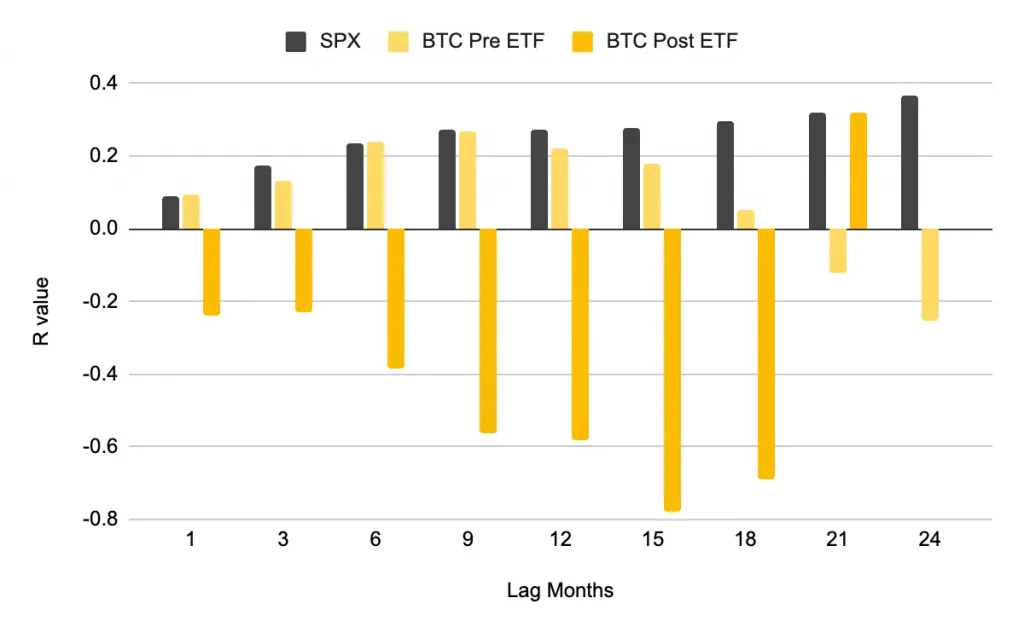
This structural shift occurred after the launch of spot bitcoin ETFs in 2024. Before ETFs, the correlation between bitcoin’s price and monetary easing cycles stood at +0.21. After ETF launches, the correlation reversed sign and strengthened significantly to -0.778. Bitcoin now often moves ahead of official regulator announcements.
What Is the Reason?
According to analysts, the key factor is the change in marginal buyer. Institutional investors, who entered the market through ETFs, analyze macroeconomic scenarios on a 6 to 12 month horizon and position themselves in advance. As a result, bitcoin (BTC) transformed from a lagging receiver of macro signals into a leading indicator of the monetary cycle.
Analysts note that the peak of global monetary easing may already be partially priced in. At the current stage, crypto-native factors—regulatory progress and institutional flows—exert greater influence on price than central bank policy direction.
Related: Hackers Stole $169 Million From 34 DeFi Protocols—DefiLlama Q1 Report
Stagflation Risks and Outlook
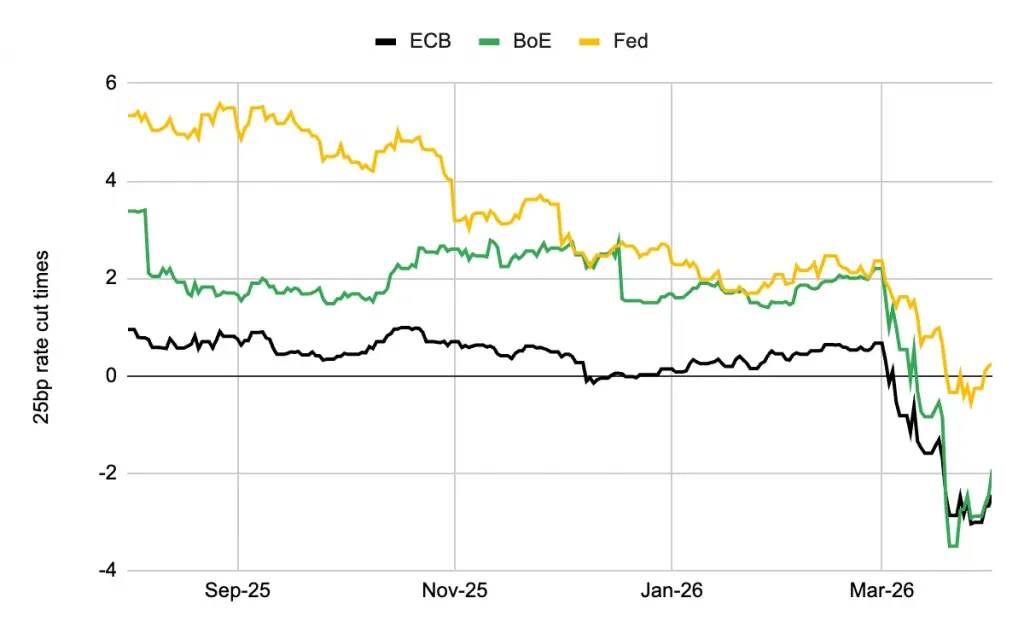
The report comes amid a sharp reassessment of rate expectations at major central banks following the escalation of the Middle East conflict. Expectations for a Fed rate cut in 2026 have dropped to nearly zero. The ECB and Bank of England have shifted to forecasts of tightening.
Rising oil prices amid limited inventories increase stagflation risks. Analysts suggest that such an environment could pressure bitcoin in the short term. However, over the long term, it could benefit bitcoin by strengthening the narrative of scarce digital gold and concerns over fiat currency debasement.
What Is Happening With Bitcoin
At the time of writing on April 3, 2026, bitcoin trades at $66,960. The price has barely changed over the past 24 hours, rising less than 1%.
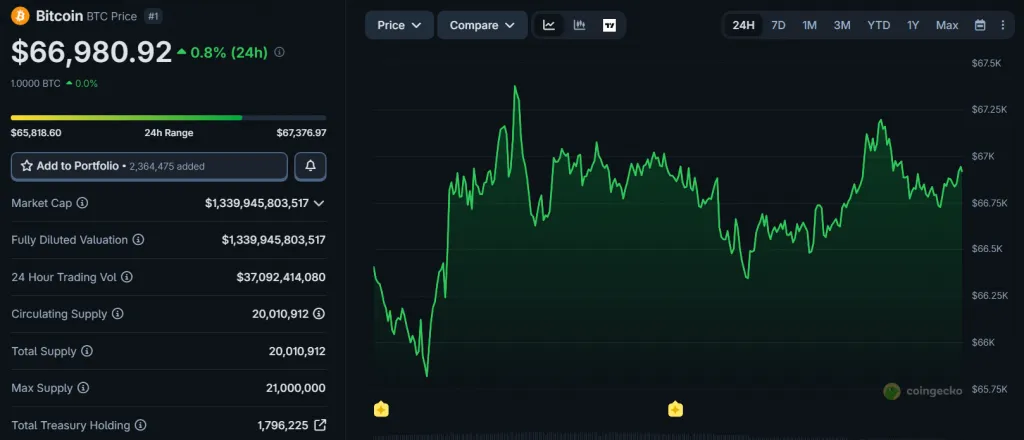
Over the past month, the coin has declined 6.5%. Bitcoin now trades nearly two times below its all-time high.
Related: How to Read Crypto Charts in 2026—Indicators and Patterns for Beginners