The US President, Donald Trump, has finally done what he had meant to do since his inauguration day in January 2025 – he is about to replace the current chairman of the Federal Reserve, Jerome Powell, as the four-year term of the former ends this month.
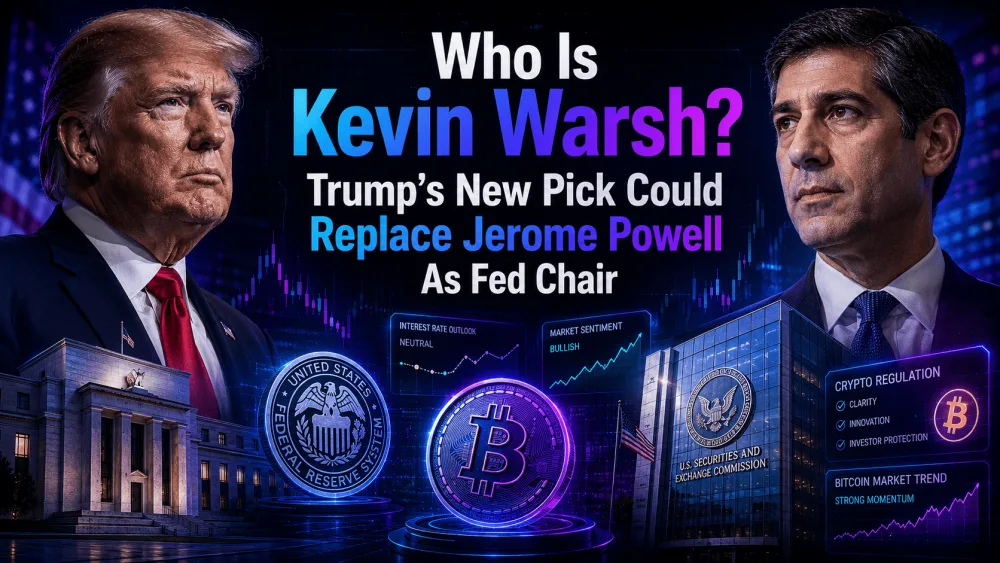
In his social media network, Social Truth, Trump has nominated Kevin Warsh as a likely candidate to spearhead the country’s central bank once Jerome Powell, who has often acted contrary to Trump’s wishes regarding interest rates, steps down. Thanks to this, U.S. Federal Reserve news has caught the attention of the markets lately.
Contents
Who Is Kevin Warsh?
What’s so special about Kevin Warsh? A one-time lawyer turned banker, he once shaped economic rules from behind desks in D.C. He spent his school days at Stanford digging into governance puzzles, then went off to Harvard for legal training. Big finance came next: Morgan Stanley carved the early chapters of Warsh’s career. Power shifted when the Bush administration pulled him into policy work. Since then, his path has zigzagged between trading floors and interest rate debates.
Thanks to that mix, traders keep glancing his way whenever Fed leadership talk surfaces. Some believe that Kevin Warsh was one of the two SEC chair candidates suggested by Trump when Gary Gensler resigned, along with Paul Atkins. In fact, Atkins was the only one, and he’s occupying that position now. Kevin Warsh was meant for the leadership of the Fed, not for the SEC chair replacement.
Related: Trump Family Crypto Failures: Why WLFI, ABTC, and TRUMP Token Collapsed
One detail stands out when people search for Kevin Warsh’s biography: his appointment to the Federal Reserve Board by the age of thirty-five. At that point, few had reached such a central role in shaping American money decisions so young. During turbulent times – before, through, and after the 2008 mortgage market collapse – he held a position until stepping down in 2011. His tenure spanned rising risks, market failure, and then a slow repair.
Former Fed Governor Kevin Warsh
A name like Kevin Warsh isn’t there to pad a list. Inside the Federal Reserve, when markets nearly broke, he saw things few witness firsthand. Under Bernanke’s leadership, his role grew through chaotic lending efforts. Trusted by Wall Street giants yet rooted in policy circles, he moved where finance and regulation overlapped.
Kevin Warsh’s history with the Fed has left a major mark on his career. He was not a newcomer like those picked just for political ties. Familiar with how the central bank works, speaks its jargon, and understands where it strains. Yet he has spent long stretches pushing back – on how big the Fed’s moves became post-crisis, on the way it talks about decisions. His voice stands apart, even if he once sat inside.
Kevin Warsh’s Net Worth
Kevin Warsh’s net worth has now also come into the spotlight. Back in April 2026, Forbes said he listed personal wealth somewhere between $135 million and over $226 million – not counting what else his household may own. Different guesses float around out there, making it wise to stay cautious about pinning down one exact figure.
It’s not just about money – critics paint Warsh as tied too closely to Wall Street, which shapes how people see him. Yet others look at that history and see an asset, not a flaw. For these backers, deep market know-how becomes vital when inflation drags on, bond swings get wild, and stock prices twitch nonstop.
Kevin Warsh to Take Over From Jerome Powell?
Could Kevin Warsh take over from Jerome Powell? That idea once seemed far off. Now it’s a fact. News agencies, including Reuters and the Associated Press, stated the Senate approved Warsh on May 13, 2026. He steps into the role of Federal Reserve chairman. Powell still holds a seat on the central bank’s board. This overlap may shape how decisions unfold behind closed doors.
Months passed. The chatter everywhere? Who might step into Jerome Powell’s role? Near the front stood Warsh, not by accident. He offered Trump an unusual mix. Party trust came first. Then, time at the central bank. Lastly, faces on trading floors knew his name.
Related: P2P Trading Safety Guide 2026: How to Avoid Fraud, Secure Transactions, and Trade with Confidence
Jerome Powell Replacement Amid Questions Over Fed Independence
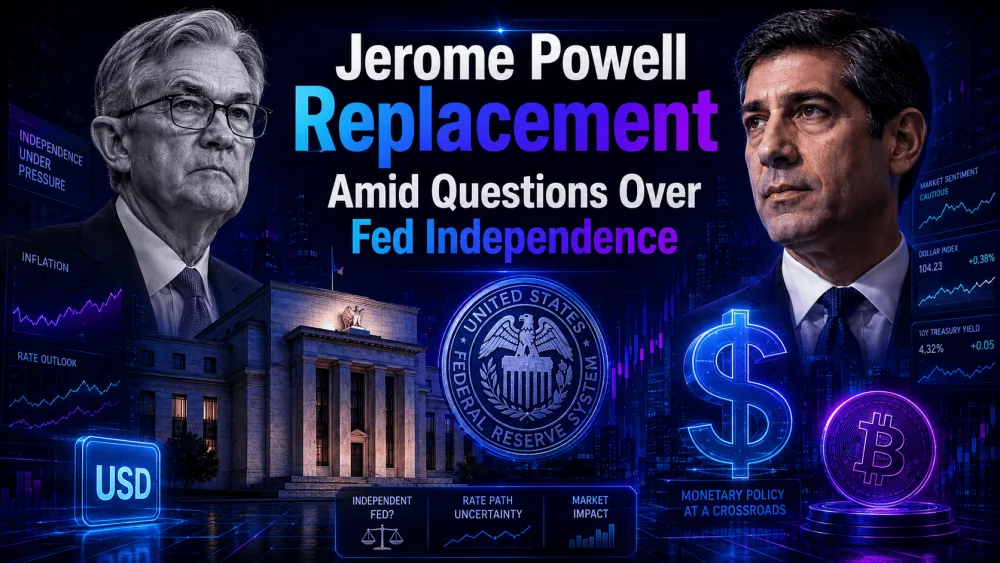
Heavy boots echo when someone like Jerome Powell might step down. Not just another name on an org chart – his exit would ripple through halls where power listens closely. He stood firm while Trump pushed hard for looser money rules. Calm kept him steady as storms built around rate decisions. The White House demanded speed. Powell pointed quietly at rising prices, urging slow steps instead.
Now, Warsh steps into that arena. How Trump handles the Federal Reserve will draw sharp attention, since trust in the central bank hinges on whether markets see interest moves shaped by jobs numbers and price trends, not demands from Washington.
Read more: Kevin Warsh Is the New Fed Chair: What Crypto Market Can Expect From a Bitcoin Supporter
Trump Picks Kevin Warsh
Understanding why Trump picked Kevin Warsh isn’t complicated. With strong ties to conservative economics, wide connections across financial circles, plus years spent calling out Federal Reserve actions as too aggressive, his background lines up neatly. Instead of broad mandates, he pushes for a leaner central bank, questions heavy reliance on future interest rate hints, while urging fresh thinking around the Fed’s massive asset holdings. Notably, according to Investopedia, Warsh used the term “regime change” when describing needed shifts at the central bank – language that echoes Trump’s push against regulation and institutional inertia.
This moment marks Kevin Warsh stepping into the spotlight under Trump. Not just another follower, he stands apart. Yet nothing like Powell reborn either. When senators approve him, investors see a signal – Trump prefers someone who sees economics his way.
Trump’s Approach to the Federal Reserve
On paper, Trump’s latest Federal Reserve plan seems straightforward – cut interest rates, ease up on credit markets, and aim for stronger economic expansion. Trouble shows up in the form of rising prices. Inflation remains a problem even as Warsh steps into his role, according to Reuters, making it harder to justify cheaper loans. This clash sits right at the center of what comes next for monetary policy
Should prices calm down, Warsh might lower rates. When inflation keeps burning, shifting too soft risks trust in the Fed – yields may climb as a result. This pick isn’t mere staffing chatter. Markets are listening closely.
The U.S. Economy Under the Trump Administration
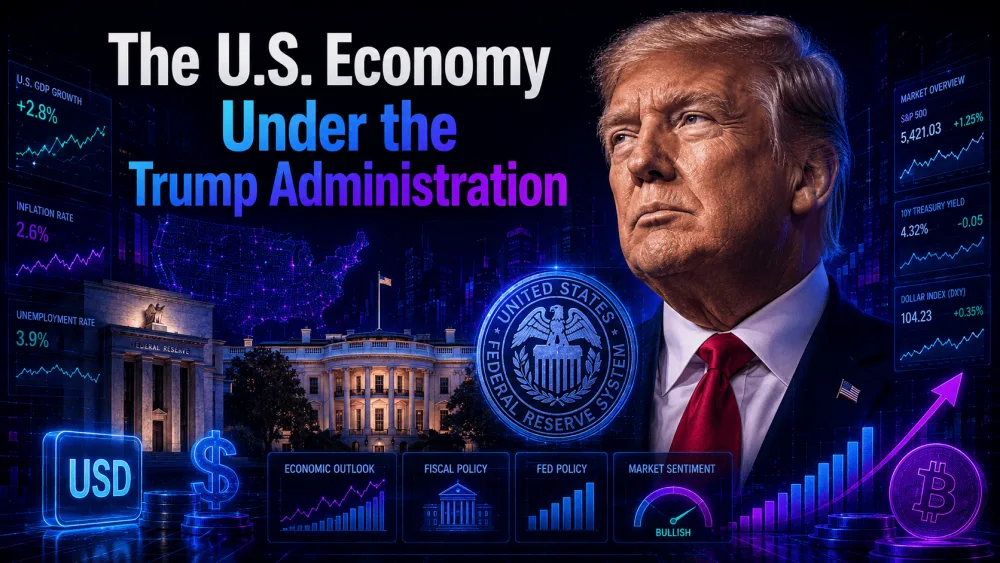
Right now, America’s economic path ties together the government’s spending choices, trade barriers, and interest rate moves. Trump’s team might back lower taxes, fewer business rules, and bringing factory work home. Yet should such steps widen budget gaps or boost costs, the central bank could face a tough call – support expansion or slow price increases.
Here’s the thing about Warsh – markets have already guessed Trump’s playbook. What remains unclear is how Warsh reacts once numbers turn awkward.
Read more: Trump Crypto Wealth Jumps $660M on Quiet WLFI Sales: Report
Wall Street Reaction
However, some on Wall Street might pause before cheering. Lower interest rates tend to draw smiles from stock investors. A chairman familiar with how markets move could win favor among bank insiders. Digital currency fans might see this pick as a sign of softer rules ahead.
Markets punish doubt fast. Should traders think the Fed answers to politics, long-term interest rates might climb regardless of presidential demands for lower rates. This contradiction is what Warsh needs to sidestep.
Trump Era Rules Meet Digital Money
Crypto Rules in America Shift
Trump’s stance on crypto rules puts the SEC back in the spotlight. The agency shifted course under Paul Atkins (Trump’s new SEC chair), stepping away from how it acted during Biden’s term. Even so, the Fed led by Warsh might nudge crypto markets without saying it directly – through cash flow, greenback power, watchful eyes on banks, or how much risk players are willing to take.
Nowadays, talk about crypto rules in the United States touches two main areas. Oversight of tokens, trading platforms, and what must be reported falls under the SEC’s role. Meanwhile, decisions by the Fed shape how easily investors borrow cash. Banks’ ability to grow their holdings ties back to its moves, too. Speculative markets often rise or stall based on that flow.
Read more: Best Crypto Exchange Platforms in the US 2026 — Picks for Fees, Liquidity, and App Access
Warsh’s View on Bitcoin and Other Risky Investments
A shift by Warsh at the Fed won’t push Bitcoin higher just because it happens. Markets welcome more cash flowing around, yet they grow uneasy when real interest rates climb or the dollar gains ground. Should rate reductions come while prices are already cooling, assets that depend on risk appetite might gain ground. A move made too soon, though, if people start expecting prices to surge again, may jolt Bitcoin, technology equities, and extended bets with sudden swings.
Most won’t notice, but shifts in the Fed’s holdings matter more than catchy phrases. Real borrowing costs creep into decisions quietly. Dollar supply shapes moves behind the scenes. What sticks is how rules were set, not how they sounded. Kevin Warsh’s time gets remembered for choices made, not slogans sold.
Changes Ahead for the Federal Reserve?
Less Forward Guidance
One way to look at it? Warsh tends to question how much the Fed should spell things out. After 2008, traders hung on to each word, even tiny punctuation shifts, shifting vast sums. Under his lead, the central bank might step back – fewer hints, fewer commitments. Instead of feeding predictions, silence could return, nudging investors to face risk once more.
Surprises might pop up when meetings get less predictable. With fewer guarantees, things can shift without warning.
Balance Sheet Discipline
Here’s another big problem: the Fed’s balance sheet. Asset buying became a go-to move after the crash. Some say it mixed money decisions with government spending choices.
A leaner Federal Reserve might be what Warsh has in mind. Conservatives could nod in approval, seeing the central bank pull back from wide-ranging roles. Yet investors may shift uneasily if easy access to Fed support starts shrinking. Comfort built over years of availability rarely gives way without tension.
Inflation Credibility
Known more for tough talk on inflation, Warsh now faces a tricky path. Lower interest rates are what Trump demands. The real challenge is whether markets believe he’ll keep prices stable. Lean too soft, bond investors might react fast. Push too hard on policy, and tensions with the administration could rise.
Because of that pressure, updates about Warsh at the Fed will shape big-picture stories until 2026.
Related: US Crypto Tax Guide 2026: How Cryptocurrency Is Taxed and How to Stay IRS-Compliant
Risks for Markets
Political Pressure
What worries most isn’t Warsh holding opinions. All Fed chairs do that. It’s the fear creeping in that he might be taking cues from politicians instead of acting on economic sense. Belief shapes reaction. When traders suspect power behind policy, trust cracks appear without warning.
Independence at the Fed? That’s no textbook phrase. This setup helps America hold steady on inflation outlooks. Think politicians start steering rates – suddenly, trust gets expensive, quick.
Policy Mistiming
Later on, timing becomes a problem. Cutting rates early might let inflation return. Waiting longer could allow financial strain to grow. In this setup, either error looks possible. Warsh steps into a moment when both paths carry danger.
Right off the bat, those early gatherings set the tone. What he says – how he frames disagreements, adjusts projections, talks about bond holdings – shapes how investors see his grip on the central bank, not just political pressure.
Communication Shock
Quiet days at the Fed might help later, yet shifting now stings. Models used by traders rely on how often the central bank speaks. Should Warsh alter the pace fast, markets could jump – rates unchanged.
Why This Appointment Matters
Not just another pick, Kevin Warsh stands out. A message hides behind his name. The president expects a central bank that pushes growth hard and cuts red tape fast – different from Powell’s way. Success? It hangs on prices staying calm, investors believing, and whether Warsh can draw a line when things get shaky. What comes next isn’t certain, but the direction feels clear.
What matters for investors about Kevin Warsh? A past at the Fed, ties to big finance, trust from conservatives, plus a mission to shift how the central bank speaks. Fixing the mix-up with the SEC helps clarity – yet what markets truly face is tangible. Warsh is chosen by Trump to run the Federal Reserve. This places him near the center of U.S. economic power today.
FAQ
Kevin Warsh: Who He Is?
These days, Kevin Warsh shows up everywhere in stories about the Fed. Once a lawyer, then a banker on Wall Street, he sat on the U.S. central bank’s board between 2006 and 2011. His name started making rounds again when senators gave their go-ahead for him to take over as head of the Federal Reserve, stepping into Jerome Powell’s role.
Kevin Warsh to Take Over from Jerome Powell?
It is true. The political decision on whether Kevin Warsh can take Jerome Powell’s place was settled when the Senate cast its ballots. Fifty-four senators voted yes, forty-five said no. That outcome sealed his position as the incoming chair of the Fed, in fact making it “Trump’s Federal Reserve”.
Trump Picks Kevin Warsh?
One reason stands out when thinking about Trump picking Kevin Warsh: deep roots in GOP economics, time spent on Wall Street, plus past work at the Fed. What makes Warsh click? He lines up neatly with what Trump wants – smaller government reach, fewer rules, and interest rates kept low. A different path might have led elsewhere, yet this pick leans hard into shifting how finance works in D.C. Behind it all sits a clear goal – not just change, but reshaping who holds power near the markets.
Kevin Warsh’s Role in U.S. Crypto Rules?
Kevin Warsh isn’t taking charge at the SEC, meaning he won’t shape U.S. crypto rules firsthand. Still, if Warsh leads the Federal Reserve, his influence might show up in how interest rates shift. Changes in cash flow across markets could ripple into digital assets. Banks under tighter watch may alter their stance on blockchain firms. Investor moods around Bitcoin, alternative coins, and tech shares often hinge on such moves. Even without drafting laws, his role could tilt the playing field.