Here is the essence of the initiative and how realistic its implementation is.
Colombia’s President Gustavo Petro has stated that Bitcoin mining could become a significant economic driver for the country’s Caribbean region. He named the cities of Santa Marta, Riohacha, and Barranquilla as promising locations for mining farms.
Hot topic: Bitcoin on May 6 — BTC Price Stays Above $81K as Traders Look Past Iran Shock
On X, Petro noted that a similar approach has already delivered results for Venezuela and Paraguay, which attracted investment thanks to surplus clean energy.
“This is a huge boost for the development of the Caribbean region,” he wrote.
Involvement of Indigenous Peoples
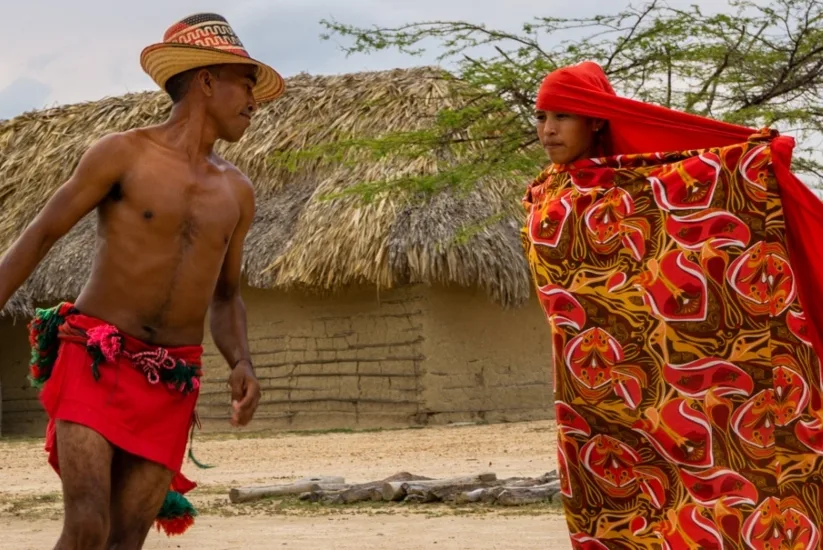
The president proposed holding negotiations with the Wayúu, the largest indigenous people in the region, so that community representatives could become co-owners of the project and directly participate in its implementation.
Read more: Strategy Signals First-Ever Potential Bitcoin Sale — What Happened?
Colombia’s Energy Potential
Colombia has significant renewable energy resources. According to national grid operator XM, installed renewable capacity exceeded 21,286 MW at the end of 2025.
Approximately 75% of the country’s electricity comes from renewable sources—more than double the global average. Petro emphasized that using clean energy for mining would minimize environmental risks and avoid criticism related to climate impact.
International Context
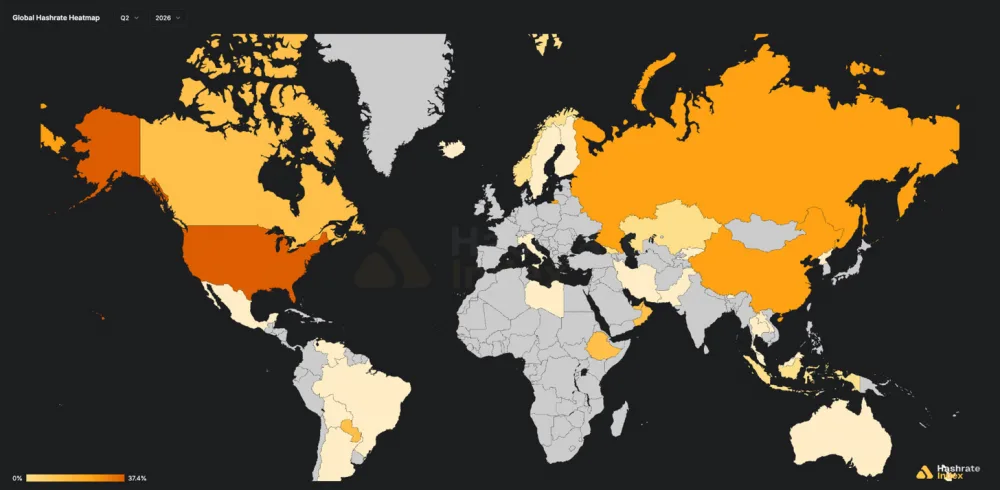
Paraguay, thanks to the Itaipu hydroelectric dam, has risen to fourth place globally in bitcoin (BTC) hashrate, accounting for 4.3% of the global total. Colombia, with similar energy potential, could replicate this success.
Petro’s term ends in August 2026, so the initiative’s implementation will largely depend on the next president’s position.
Learn more: Why Are Bitcoin Fees So High? Full Explanation of BTC Transaction Costs