That day when a coder bought pizza with digital cash now feels like a legend. Ten thousand virtual coins traded for dinner seems wild today. Over time, the value exploded beyond imagination.

People laugh about it. Yet behind the humor sits something heavier. Not just loss or internet jokes shape the tale. It marks how quickly new forms of money shifted reality. What seemed trivial then echoes loudly now.
On May 22, 2010, Laszlo Hanyecz traded 10,000 BTC▲$62,630.00 for two delivered pizzas – a moment now known worldwide. That event sparked an annual tradition among cryptocurrency fans who honor the day each calendar turns. Sixteen years after the exchange, the milestone lands again in 2026 as we are seeing a Bitcoin Pizza Day anniversary coming again.
One Saturday changed how we saw digital cash. That moment arrived when someone bought meals with tokens nobody trusted yet. Not long after, eyes opened to its worth beyond code on a screen. The deal happened while skeptics still called it nonsense online.
Bitcoin Pizza Day: Meaning?
Every year, people mark Bitcoin Pizza Day by remembering the first big real-life purchase made with cryptocurrency.
That happened on May 22, 2010, when Laszlo Hanyecz paid 10,000 Bitcoins for two pizzas. This moment stood out since it showed Bitcoin could be used outside digital spaces. Suddenly, it wasn’t just lines of code, mining payouts, chat discussions, or ideas from privacy advocates. Now it had actually traded for something you can eat.
Read more: Crypto Holidays Calendar 2026: Complete List of Important Bitcoin and Blockchain Dates
Now they wonder about the value of those 10,000 coins. Yet what gets lost is this – someone had to try spending virtual cash beyond bank systems. May I ask today’s price? Still, real progress came when trust replaced doubt.
Why the Date Turned Into a Crypto Holiday
Back then, folks started marking the day like a festival, crypto-style. Not long after, trust grew simply because someone traded coins for something you can eat. Odd as it sounds, handing over bits for food made the idea feel less imaginary. That bite of pizza didn’t turn everyone into buyers right away. Still, two people agreed on value without banks or laws forcing them. Belief passed hand to hand, just like slices.
Laughter came easier because of how wild it looked. Still, something stuck – back then, people wondered, poked at ideas, took chances. Value shifting online, no bank needed, felt impossible until it didn’t.
Contents
The Story of the 10,000 Bitcoin Pizza
A coder named Laszlo Hanyecz jumped into Bitcoin early. Back in May 2010, his mind turned toward trading digital coins for a real meal. What he proposed felt straightforward – send two pizzas to his door, receive 10,000 BTC in return. That deal, strange as it sounded then, is stuck in history.
Back then, nobody saw it coming. A single person tossing what we now call millions into nothing – except Bitcoin meant little to most.
Markets barely noticed. You could not trade it easily; big investors stayed far away, even funds tied to crypto did not exist yet. To suggest BTC might grow into something massive? Only a handful believed that possible.
Someone else stepped in to finish things, buying the pies while taking the digital cash. Though people link the meal to Papa John’s, the chain wasn’t set up to take Bitcoin payments. Arrangements happened peer to peer, outside official channels. Food went out through regular sales. The cryptocurrency moved among those already in it back then.
Who Is Laszlo Hanyecz?

That night, Laszlo bought pizza with digital money, which might seem like a joke now. Yet back then, few saw Bitcoin as cash – most just stockpiled it. His move wasn’t silly – it showed coins could buy real things. Not everyone took that step so openly.
Reality comes not just from numbers on a screen. What matters is when hands pass it around, try it, mess up with it, trust it, and talk about it. One meal bought long ago became the story everyone circles back to – proof you could trade digital coins for something you can touch.
Looking back, keeping 10,000 BTC might have brought more money. Yet at the time, using them showed Bitcoin could actually work in real life. Because of this moment, Pizza Day isn’t just about what someone gave up. It’s about how something becomes useful long before it gains worth.
Bitcoin at the Pizza Shop?
Wrong. That part never happened. A common tale keeps spreading about Bitcoin Pizza Day, yet it misses the truth. Those pies arrived from an ordinary pizzeria. Payment in cryptocurrency? Never touched their system. Two people made it work online. Someone took the digital coins, then paid and arranged everything themselves.
Here’s what lifts the tale; it doesn’t drag it down. Back then, no apps sped things up, no companies held coins for you, no instant networks moved value fast. One person was hungry for a pie. Another saw a chance in digital cash. They found each other. Deal made. Simple like that.
Related: Will Bitcoin Reach $200,000 in 2026? Analysts Split on the Price Outlook
Bitcoin Pizza Value Now?
Right now, how much that first Bitcoin pizza is worth ties directly to today’s BTC rate. Just multiply the old amount by the new price. Today’s worth of the Bitcoin pizzas comes from multiplying 10,000 BTC by the present price of each coin.
Most days it looks different than before. When BTC climbs, people remember the meal costing way more after the fact. A dip makes the story feel smaller each time. Each Bitcoin Pizza Day pulls fresh posts, graphs, jokes, and math – like clockwork.
One way to think about it helps focus the mind – yet let it take center stage? Not really. A deeper takeaway hides past “don’t touch your coins.” Truth sits in how tough it is to measure young systems fairly. Something tiny today might tower later once people show up, trust builds, cash starts flowing, and tools get built.
Price Is Just One Part of What Matters
That headline about the priciest pizza ever? It grabs attention. Yet focusing on that moment shrinks what actually happened. Picture this: if each person who used Bitcoin back then simply saved it instead of spending, its journey as a new kind of money could’ve crawled forward at half speed.
Something has to move through a network for it to matter. Without trades, there is little reason for trust. One man paid coins for food on an ordinary day. That meal became legend because others saw what it meant. Value shifted hands outside banks or borders. A programmer in Florida made code feel real by ordering dinner. His name now ties directly to that moment. Not just hunger drove the deal – recognition did too.
Buying Pizza With Bitcoin: Was It Wrong?
For choosing where to put money, keeping that 10,000 BTC makes more sense now. Sure. Yet back then, buying it wasn’t wrong at all. Actually, it showed something could work.
The Hidden Trade-Offs In Every Choice
Imagine skipping lunch just once, yet losing everything. When ten thousand Bitcoins equal small nations’ GDPs, two pepperoni pies turn into ghosts haunting every investor’s dream.
Looking back distorts things. Uncertainty gets erased. The path ahead seems clear only after you’ve walked it. Back then – 2010 – Bitcoin felt shaky, like a test that might fail. Survival wasn’t promised; neither was trading ease, miner interest, or approval from big players.
The Adoption Argument
Bitcoin grew when people started using it, not just talking about it. Real growth came from those willing to swap the digital coin for actual goods. Miners alone could not push it forward. Forums filled with ideas did little on their own. What mattered was a handshake between code and cash – someone saying yes outside the screen.
One reason Bitcoin Pizza Day sticks around? It shows how far we’ve come. Back then, spending coins on a meal seemed odd. Yet that small act planted a seed. Instead of banks steering money, two individuals made it happen directly. No middlemen stepped in. The network handled the rest quietly.
Bitcoin Pizza Day Shows an Early Real-World Use

That day when someone bought pizza with Bitcoin? Proof it wasn’t only code anymore. Suddenly, digital coins traded for something tangible. Not just transfers on a screen – actual food changed hands. Value shifted from theory to practice, quietly.
That deal made clear a few truths right away. Not just one person ready to let go of Bitcoin, but another eager to take it. Scarcity in code somehow turned into something people cared about. Strangers on the web found a way to swap value through a fresh system. All of it happened without old rules getting in the way.
Bitcoin as Money versus Bitcoin as Digital Gold
Back then, folks saw Bitcoin mostly as digital money for everyday trades. That first pizza buy? Exactly the kind of thing they had in mind. Over time, though, how people talk about it shifted. Instead of coffee or meals, now it’s often framed like a reserve asset. What started as spending slowly turned into holding.
Years passed. The main way folks talk about Bitcoin has changed. These days, plenty see it like digital gold – rare, spread across many hands, hard to weaken, built to last years tucked away. This new view doesn’t kill the idea of payments. Still, it alters what people think when they hear about Bitcoin Pizza Day.
Related: Why Bitcoin Is Compared to Oil: Digital Gold vs Black Gold Explained
Bitcoin working as money means buying pizza counts as winning. Yet, viewing it as digital gold makes spending early feel wasteful. Both views have shaped Bitcoin since the start.
What the Pizza Transaction Showed
A slice of pizza showed how Bitcoin might actually work in real life. Not everyone pays attention to mining details, network changes, or encryption methods. Food makes more sense to them.
Easy buying helped people get what Bitcoin was about. Because of it, anyone could share its tale without knowing code. Pizzas changed hands. That day, ten thousand coins moved. Money looked different now. What came next stayed unclear.
Bitcoin Pizza Day and How Crypto Payments Changed
Back then, getting a pizza with Bitcoin meant posting online, finding someone ready to trade, plus sorting out the details by hand. These days? Wallets fit in your pocket through phones, while markets connect buyers and sellers fast. Holding digital cash grew safer thanks to offline storage gadgets. Middlemen now handle transfers smoothly behind the scenes. Value stays steady using pegged tokens linked to dollars. Extra layers run on top of blockchains to speed things up. Big shift since the early experiments started taking shape.
Even so, spending cryptocurrency hits snags. Money-like uses exist for Bitcoin, yet most people hang on to their coins instead of using them. Shop owners hesitate because prices swing wildly. On top of that, customers stress over tax rules, transaction costs, holding keys safely, and payments you cannot undo.
From Forum Deals to Lightning Network
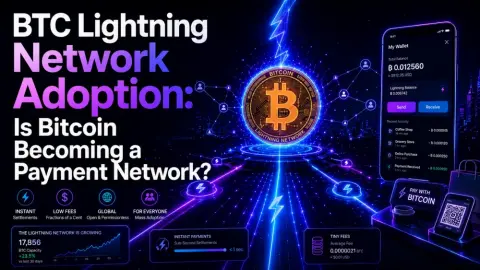
Back then, buying and selling Bitcoin felt like a handshake deal. Conversations sparked trades across online boards, instant messages, and close-knit groups. Today’s systems run on clearer rules, though the Lightning Network aims to speed up tiny transactions at low cost. Still, uptake wobbles from place to place, with plenty of users seeing BTC less as cash, more as stored value tucked away.
Bitcoin Pizza Day Lessons for Investors
That day when someone bought pizza with Bitcoin? More than just a quirky story. Think about what it reveals – people struggle to see value in new tech until everyone else does. A moment most overlook becomes proof of human hesitation.
Back then, trying out Bitcoin – using it, spending it – seemed like a reasonable move. Now? Keeping each one without touching them feels just as logical. Time changes what makes sense. Each choice fits its moment.
Early Tech Seems Small Before It Becomes Obvious
Most big tech things start off seeming odd, not groundbreaking. At first glance, they seem messy, hard to take seriously. That pizza buy seemed tiny since Bitcoin felt irrelevant then. Huge changes tend to hide in plain sight until enough people join in.
Utility First Then Value
Out of nowhere, buying pizza showed how function might show up long before price tags do. Not every tool waits for massive worth to become handy – Bitcoin proved that early on. What mattered was the trust built by those ready to treat it as money and actually spend it.
Lesson 3: Seeing Clearly After It Happens
Most people talk about Bitcoin Pizza Day like Laszlo had some clue. Yet that kind of thinking lacks depth. Back in 2010, the path of Bitcoin was a total unknown. Seeing those old purchases as mistakes only works because we see what came later. At the time, doubt ruled every move anyone made.
Bitcoin Pizza Day in Crypto Culture
Two large pizzas were once bought for 10,000 Bitcoins. That moment stuck around, not because numbers matter most, but because people remember meals, not ledgers—something real anchored something invisible. One bite turned code into legend.
Some years back, folks began marking the day with gatherings, simple guides, online pushes, jokes spread wide, along with showing new people how Bitcoin first came to be. What makes it stick isn’t just talk of value rising or falling. Instead, it’s tied to those odd beginning times – when regular users gave it a try without knowing if any of it would ever count.
Bitcoin Pizza Day Myths
| Date | Event | Why It Matters |
|---|---|---|
| January 2009 | Bitcoin network launches | The Bitcoin blockchain begins operating |
| May 2010 | Laszlo offers BTC for pizza | Early attempt to use Bitcoin for food |
| May 22, 2010 | 10,000 BTC pizza deal is completed | First famous real-world Bitcoin purchase |
| 2013–2017 | Bitcoin reaches wider public attention | Pizza story becomes crypto folklore |
| 2021–2026 | Bitcoin gains institutional attention | Pizza Day becomes a symbol of adoption |
Papa John’s Did Not Accept Bitcoin Payments
Out of nowhere, those pizzas carried the Papa John’s name, yet the company itself never touched any Bitcoin. A quiet agreement formed among customers instead. Payment in BTC shifted hands privately before one stepped up to place the order.
Laszlo Did Not Lose a Fortune
Looking back makes it seem obvious. Back then, in 2010, those coins meant little in monetary terms. That buy showed, more than anything, how Bitcoin might actually move as trade.
Bitcoin Pizza Day Was Not the First Transaction
That day didn’t start Bitcoin trading. Earlier, digital coins had changed hands months after being mined. The pizza purchase in May 2010 became legendary because it showed real use, not just code moving around. Fame came later, even though transfers happened earlier.
Myth Four: Regret Isn’t the Whole Story
Looking back with regret comes naturally. Choosing to adopt works out better. What made the deal stand out was seeing Bitcoin move beyond theory and fit into everyday commerce.
Bitcoin Pizza Day Timeline
Winter of 2009 kicked off something quiet but lasting – the Bitcoin network started running on its own. Not long after, Laszlo tried trading coins for a hot meal, just to see if it could work. By May that year, someone actually accepted his offer: ten thousand Bitcoins moved for two pizzas.
That moment stuck around, even though most people ignored it at first. Years passed before others began talking about money without banks again. Suddenly, old tales like the pizza trade resurfaced, shared among curious newcomers. Then institutions took notice, slowly, one report at a time. What once seemed silly turned into proof – small acts can mean big shifts later.
Bitcoin Pizza Day Still Matters
That day lives on since it showed Bitcoin turning into something tangible. Someone got hungry and ordered food through a screen. Ten thousand coins moved across wires just like cash might. Suddenly, for a few believers, code felt useful outside forums and chats.
Price tells a simple tale. Adoption reveals something deeper. Not just buying food that day, Laszlo Hanyecz moved value in a new way. His transaction became more than an exchange – it turned into a legend.
That picture shows up again each May 22 – two pizzas, ten thousand Bitcoins, a moment most failed to see coming. Though it seems like just another internet story now, real shifts tend to start quietly, disguised as small tests. What feels normal today might bend tomorrow’s path in ways few expect.
FAQ
Bitcoin Pizza Day Explained?
Every year on May 22, people mark a moment when digital cash met dinner. Back then, one man traded ten thousand Bitcoins for a pair of pizzas. That meal became known later as the first big-time buy using Bitcoin in everyday life. Since that day, the event has lived on through stories shared online.
Bitcoin Pizza Day Marks an Early Real World Use of Crypto?
One reason stands out – someone actually traded Bitcoin for something you can hold. That moment made clear it wasn’t just code on a screen but could work like money when buying stuff.
Today, those famous Bitcoin pizzas would be valued at many millions of dollars. As the Bitcoin price shifts, so does this number. To picture today’s worth of that famous pizza deal, take the live BTC rate and bump it up ten thousandfold.
Did Laszlo Hanyecz Spend 10,000 Bitcoins?
For profits, keeping the BTC made much more sense. Back then, buying it mattered since it showed people Bitcoin might actually work like real cash.