One way to look at Solana? Think of it as a digital ledger built to move quickly, handle loads of activity, yet keep costs down. Instead of crawling, it runs – processing trades, money tools, collectibles, play-based platforms, tokenized assets, and everyday crypto apps. Speed matters here; nobody likes waiting. Fees stay tiny even when traffic spikes.
Built for hustle, Solana makes sense when you see it moving. Simplicity rules some blockchains flat. Flexibility dives deep into code on different chains instead. Solana stacks speed next to slim costs, along with tools letting builders launch programs crowds actually use. Few blockchains match its ability to handle massive loads cheaply and quickly.
Related: Solana Staking 2026: Crouton Digital’s Institutional-Grade Solutions for Maximizing SOL Yield
Contents
What Is Solana?
Solana is a public blockchain where people can swap value, run apps, turn digital items into tokens, exchange holdings, or use programs that act on their own. Inside this open system lives SOL▲$82.41, its built-in currency, which handles transaction costs, supports validators, and fuels activity across the ecosystem.
Most people ask what Solana is because it looks different from older crypto networks. It is a blockchain designed for smart contracts, meaning coders can create programs on top of it. These programs include trading hubs, lending apps, digital art marketplaces, games, forecasting systems, payment tools, and launchpads for new tokens.
Speedy and affordable – that is how people usually see Solana. It was built to handle lots of activity without high charges. Yet newcomers should remember that small costs are not safety promises. Sketchy projects, flawed software, wrong links, wallet mistakes, and price swings can still cause losses.
How Solana Works
Solana uses staked validators plus a clock named Proof of History. Validators handle transactions, keep records straight, and help secure the network. Every time someone sends data or opens an app, a tiny fee in SOL gets taken.
Proof of History marks each event like ticks on a digital stopwatch. Before agreement happens, these timestamps lock down the sequence so nodes skip endless debates. A crypto-powered clock replaces guesswork by baking order into the data itself.
This structure helps transaction flow move faster without waiting for repeated group approval at every step. More actions can fit inside each second across the network. Solana handles tokens, programs, and accounts differently than Ethereum does, so interactions can feel odd early on.
What Is SOL?
SOL powers the Solana system. Transaction fees come out of it, apps run on it, and staking uses it to help secure the network. To get moving on Solana, users usually need a small amount of SOL inside a wallet.
SOL also trades as a crypto asset. Its price can jump or fall when traders react to news, network usage, investor demand, token releases, competing blockchains, and wider market confidence. Buying SOL is different from simply using Solana apps.
Delegating SOL to validators allows users to take part in staking. This process backs the safety of the network while possibly bringing rewards. Yet price drops still carry danger, and staking gains may not offset a fall in SOL’s value.
Why Solana Is Popular
Speed, low cost, and constant movement keep Solana in demand. Moving tokens, creating assets, swapping value, and using apps usually does not drain wallets thanks to tiny fees. Often-used tasks feel natural here, even when dealing with small amounts or daily actions.
Developers like Solana because it handles apps where speed matters. Trading platforms, digital collectibles, games, payment services, and token builders need quick confirmations without high fees. Solana’s structure fits them like a background rhythm – steady, quiet, always there.
Solana also benefits from its surroundings. Wallets, exchanges, infrastructure teams, DeFi projects, NFT circles, memecoin fans, and payment builders are all moving at once. New apps pull in people, then those people spark fresh builds.
Related: Best Solana Tokens to Watch in 2026: SOL Projects With Explosive Growth Potential
Main Solana Use Cases
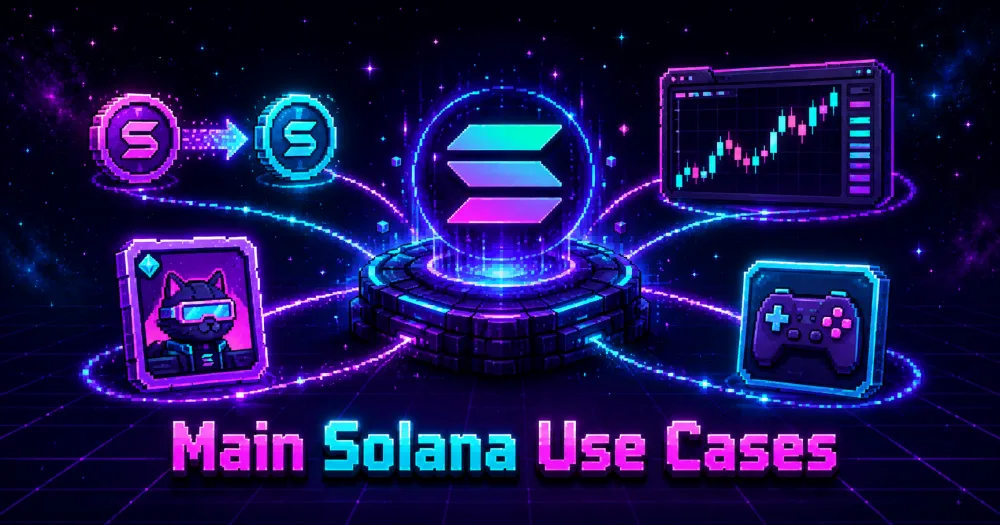
In 2026, people use Solana across DeFi, payments, NFTs, games, token launches, memecoins, and everyday crypto tools. Since all of these sit inside one ecosystem, that maximizes user convenience.
Payments and Transfers
Paying with Solana works well because transactions move fast and usually cost little. One person can send SOL or other Solana-based tokens straight to another wallet without much delay. That makes it useful for small transfers, creator payments, and app-based transactions.
Payment scenarios reveal deeper truths about cost. When transactions carry heavy prices, everyday uses fall apart quickly. Solana’s low fees make repeated small transfers more realistic than on chains where fees spike.
Even so, users must watch where they send things. If mistakes happen, there is usually no undo button. A wrong address or shady approval can lead to permanent loss.
DeFi and Trading
Solana has a busy DeFi scene. From inside their wallets, users can trade coins, add funds to pools, take loans, lend assets, stake, or use market tools. Fast confirmations and cheap costs draw traders to Solana’s open markets.
DeFi can bring opportunity, but hidden dangers wait underneath. Smart contract mistakes can exist, pools can drain, and token prices can dive overnight. Just because something runs on Solana does not mean it is safe.
Low costs also let automated programs run more freely. Trading moves faster, but some token markets can feel unpredictable. Starting small helps newcomers adjust without chasing every popular pick.
NFTs and Digital Collectibles
Low costs helped Solana stand out for NFTs. Creating and swapping tokens did not drain wallets, so artists, game makers, brands, and communities found room to explore. Big collections and experimental ideas could take root more easily.
Solana NFTs can represent art, game items, memberships, passes, or access keys. They are flexible, but value depends on demand, community, utility, and trust. Some drop in price fast even when the network runs fine.
New users should separate the network from the asset. Solana offers tools for digital collectibles, but that does not guarantee every NFT is legitimate or valuable. Look closer at who made it, where it trades, and what buyers paid before.
Related: Top 5 Altcoins for the Next 100x Crypto – Best Crypto to Buy Now 2026
Memecoins and New Tokens
Solana stands out because so many memecoins and new tokens appear on it. Fees stay tiny, launching tokens feels almost effortless, and hype builds fast when things move at that speed. Behind the rush, scams and pump-and-dump behavior can hide.
Fast moves happen when memes catch attention online. Some users treat it like a game, placing bets for fun. Late buyers who join after the rush often end up overpaying.
Starting out? Think of Solana memecoins like rolling dice. Just because lots of people talk about one does not mean it is safe. Check trading volume, code, liquidity, and who owns big chunks.
Games and Consumer Apps
Games and consumer crypto tools also run on Solana. When lots of tiny actions happen quickly, speed matters a great deal. Fee size counts just as much when actions repeat nonstop.
Games use SOL as in-game currency. Everyday apps use it for payments, loyalty perks, rare digital items, or gated access. The goal is to make blockchain activity feel like normal app behavior.
Solana vs Ethereum
Solana runs everything quickly on one fast network layer. Ethereum spreads activity across a broader ecosystem.
Most users notice the difference when they pay and wait. Solana transactions are often cheaper and faster. Ethereum mainnet can be expensive, though its Layer 2 networks reduce costs.
For developers, the difference is deeper. Ethereum hosts the biggest smart contract ecosystem, while Solana uses another code structure and account setup.
| Feature | Solana | Ethereum |
|---|---|---|
| Main focus | Fast, low-cost activity | Secure smart contract settlement |
| Native coin | SOL | ETH▲$1,761.17 |
| Common uses | DeFi, payments, NFTs, memecoins, apps | DeFi, Layer 2s, NFTs, tokenized assets |
| Fee style | Usually low | Can be higher on mainnet |
| Design approach | One high-performance network | Modular ecosystem with Layer 2s |
Is Solana Decentralized?
Solana is run by validators around the world who add blocks and help secure the network. SOL holders can also delegate to validators through staking.
Still, validator spread, hardware requirements, stake concentration, client diversity, governance, and infrastructure dependence all matter. Solana has often been discussed because it can require stronger hardware than some other chains.
Here is what matters most at first: Solana runs openly, unlike locked private systems, yet still makes compromises. Speed shapes its structure, and fast results can push control toward fewer hands. Long-term trust depends on easing that pressure without losing pace.
Is Solana Safe?
Most people can use Solana safely, though dangers exist across every chain. The core system has improved over time, but phishing tricks and program errors remain real threats.
Most crypto losses happen because users make wrong moves, such as signing harmful transactions, buying fake tokens, or linking wallets to counterfeit platforms. Speed and low fees can also help scams spread quickly.
Start safe. Pick trusted wallets, confirm website addresses, store recovery words offline, skip surprise drops, and test with tiny sums first. When a deal feels rushed or too exciting, pause longer than you think necessary.
Solana Advantages and Drawbacks
Solana’s advantages are clear. Transactions are fast, costs stay tiny, apps run constantly, builders keep showing up, and the network keeps growing. This setup fits trading, payments, NFTs, games, token launches, and everyday crypto tools.
Reality checks matter too. Past hiccups on Solana exposed fragility. Speed takes priority, but that choice creates trade-offs. Dirt-cheap transactions can open doors to spam, bots, sketchy token surges, and automated noise.
A fresh look shows both sides. Solana stands out in crypto, but promises nothing. It is a fast public network with useful apps, real risks, and a community still testing how far high-performance blockchain activity can go.
How to Start Using Solana
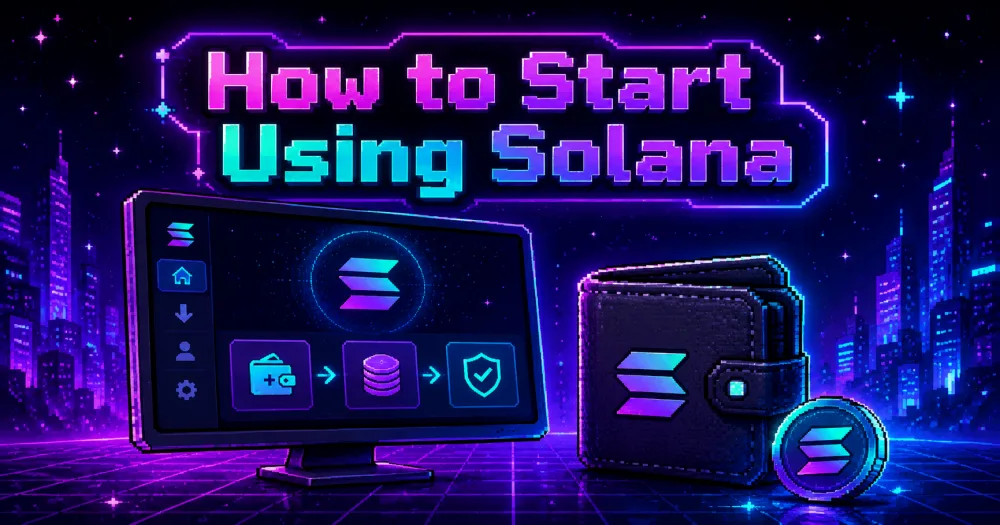
Getting started means picking a trusted Solana wallet. A little SOL can come from buying it or receiving it from someone else. Before diving into advanced tools, take time to understand how transfers happen.
Some users choose browser wallets, others use phones, and some plug in hardware devices. Write recovery words by hand somewhere safe. Never type them online or let anyone see them.
After loading a wallet with SOL, users can send transactions, hold tokens, connect services, or explore DeFi and NFTs. Test first with tiny sums. Random links from social media are risky, especially when they ask for wallet approval.
One way to stay safer is using more than one wallet. Keep long-term holdings in a main wallet. Use a smaller wallet for trades, NFTs, and experiments so one mistake does not wipe everything out.
Related: What Is Crypto Market Sentiment? Beginner to Advanced Investor Guide
Is Solana Worth Investing In?
Solana might suit some investors more than others. It depends on risk tolerance, holding period, and whether someone trusts where the platform is headed. The network shows steady activity, but SOL remains a volatile crypto asset.
Investors can look at network usage, developer work, app growth, token supply, staking activity, competitors, and broader market conditions. Useful technology does not guarantee price growth. Good projects can become overpriced, and weak systems can keep market value longer than expected.
Start here instead: get clear on Solana first, then think about buying SOL. Hype alone runs thin fast. Believing in speed-driven blockchain systems might justify holding, but position size and risk management still matter.
Conclusion
What is Solana? Solana is a fast, low-cost smart contract blockchain built for payments, DeFi, NFTs, token launches, games, and everyday crypto software. Its fuel is SOL, and validators help run the network while Proof of History keeps activity ordered and fast.
Most people find Solana easy to use. Speedy transactions and low fees make regular network activity practical. What gets tricky is balancing quick performance against safety, spam, advanced programs, and a constantly shifting ecosystem.
Starting out in 2026? Then getting familiar with Solana makes sense because this blockchain plays a big role in crypto adoption. Move slowly, start small, secure your wallet, and remember that a strong network does not make every coin or app built on top of it safe.
FAQ
What is Solana in simple terms?
Solana is a fast public blockchain for sending crypto, using apps, trading tokens, minting NFTs, and building Web3 products. It uses SOL as its native coin for fees and staking.
What is Solana used for?
Solana is used for payments, DeFi, NFTs, memecoins, games, token launches, and consumer crypto apps. Its low fees make frequent transactions easier.
What is SOL?
SOL is Solana’s native coin. It pays transaction fees, supports staking, and trades as a crypto asset on exchanges.
Is Solana better than Ethereum?
Solana is usually faster and cheaper for daily tasks. Ethereum has a larger smart contract ecosystem and stronger institutional network effects. The better choice depends on the use case.
Is Solana safe for beginners?
Solana can be safe for beginners who follow wallet security basics. The main risks are scam tokens, fake websites, bad approvals, volatile assets, and unsafe apps.
Can Solana be used for payments?
Yes. Solana handles quick, low-fee payments using SOL or Solana-based tokens. Users must confirm addresses because payments are usually irreversible.
Is Solana a good investment in 2026?
Solana may appeal to investors who believe in fast blockchain infrastructure, but SOL remains volatile. Beginners should understand the system first and avoid trend-chasing.