Out of left field, Mastercard pushes further into crypto licenses. This shift hints at stablecoins stepping beyond exchanges, settling into approved worldwide payment systems.
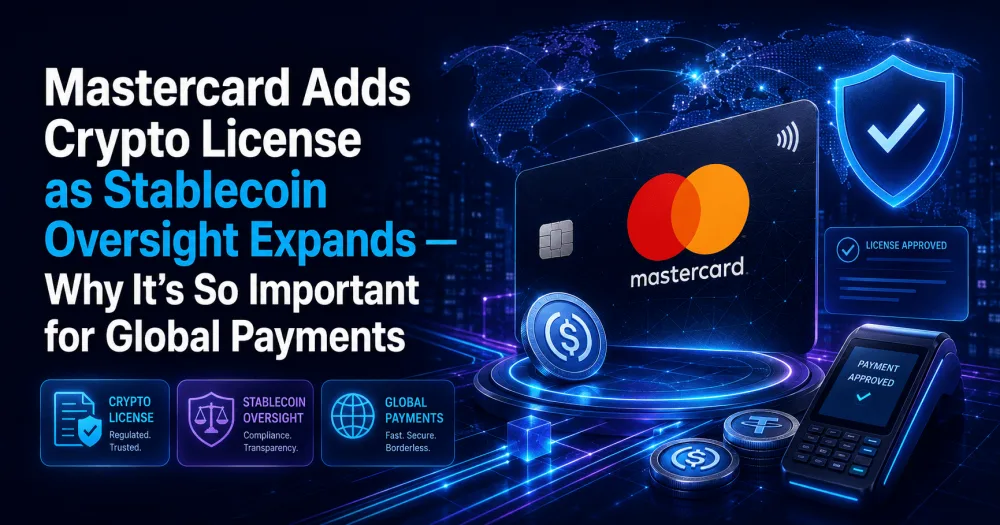
Here’s the core idea: Mastercard isn’t aiming to turn into a cryptocurrency-first business. Instead, its focus lies in linking blockchain-based payments with traditional players – banks, stores, financial tech firms, along with supervised monetary systems. With tighter stablecoin rules rolling out across the U.S., Europe, Britain, and beyond, holding proper licenses now acts like a pathway – from market speculation toward serious, mainstream integration.
Contents
Mastercard Expands Crypto Licensing Scope
A green light from regulators for Mastercard in crypto doesn’t signal a sudden switch to issuing coins or ditching plastic. Instead, it opens doors for them to work within legal digital money lanes – handling stablecoin transfers, linking wallets, backing compliance tools, while exploring payment networks built on blockchains.
Traditional payment licenses mainly cover card payments: how merchants accept transactions, how fraud is prevented, how disputes are handled, and how money is settled. With crypto licenses, extra steps come in – holding digital assets safely, checking for dirty money, verifying user identities, watching wallets closely, scanning against banned groups, showing what reserves are held, locking down systems, along with regular updates on activity.
Related: Best Crypto Debit Cards 2026 — Top Leading Platforms for Issuing Crypto Payment Cards
Most folks overlook how stablecoins behave, unlike card transactions. Yet they clear in minutes, skip middlemen overseas, and link straight to digital wallets on blockchains. Speed brings gains – though fresh dangers pop up just as fast.
Stablecoin Oversight Grows Worldwide
Now that officials notice stablecoins do more than just trade, scrutiny climbs. These tokens move cash, bridge gaps between assets, and act like dollars overseas. What once seemed niche now draws attention across borders.
Practical concerns drive the key rules questions. Backing comes from who? Reserves sit where? Par value redemption – can users actually do it? A rush unfolds – what then? Watchdog for dirty money – who fills that role? Failure hits – a stablecoin collapses – who answers for it?
Now things are shifting in Europe, where MiCA sets clear lines for crypto and those backing stablecoins. Over in Britain, efforts zero in on how digital money moves through payments. Farther west, America slowly unites its scattered approach, crafting national standards for stable tokens.
One thing stands out – governments everywhere now see stablecoins tied to real money as something they must oversee. Each area writes its own rules, yet moves in lockstep. These digital tokens are slowly folding into systems that watch how money flows.
| Category | Traditional Payment Rails | Stablecoin Payment Rails |
|---|---|---|
| Settlement Speed | Often hours to days | Often minutes |
| Cross-Border Use | Depends on banks and intermediaries | Wallet-to-wallet or platform-based |
| Compliance Layer | Bank and card network rules | Crypto licensing, AML, KYC, wallet screening |
| Main Risk | Delays, fees, chargebacks | Depeg risk, wallet risk, regulatory gaps |
| Best Use Case | Card purchases and merchant payments | Cross-border transfers and digital settlement |
Mastercard Expands Into Crypto Systems
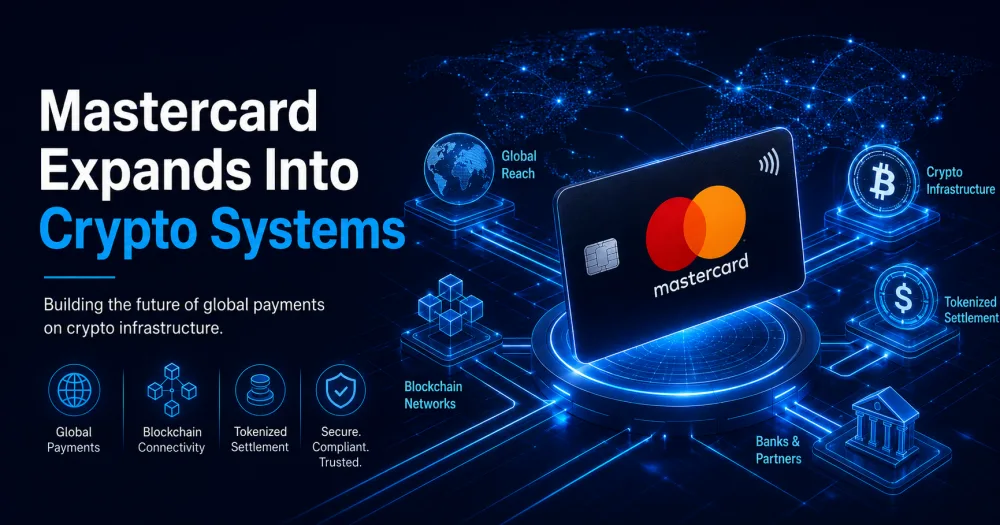
Out front, Mastercard moves not just to hold ground but to push ahead. Should stablecoins evolve into real alternatives for moving money, ignoring them isn’t an option. Staying silent means watching volume slip toward digital-first paths. Either join the shift, go head-to-head, or fade beside it.
Now it’s the backbone that matters in Visa versus Mastercard’s race for crypto ground. Money’s journey – from shoppers to sellers, startups to big finance – might flip entirely if stablecoins catch on; both firms see this clearly.
Faster transfers matter more now, so firms look to stablecoins. Lower hurdles in payments help too, which explains their spread across digital trades. Crypto markets use them widely, especially for moving value quickly between platforms. Beyond that, sending money overseas leans on these tokens increasingly. Commerce built directly into blockchains runs on them as well, day by day. Even company finances start holding such assets quietly. What comes next? Big organizations are bringing them into regular operations.
Related: Why Stablecoins Are the New Global Payment Layer in 2026: The Shift in Global Finance
Most companies ignore the talk around cryptocurrency beliefs. What matters instead? Lower expenses, faster transfers, consistent performance, following rules, and access to cash flow. When stablecoins deliver on these points, more organizations start using them. Growth follows.
Stablecoins in Global Payment Systems
Minutes. That is how long it takes when stablecoins handle international money movement. Global payment systems usually depend on chains of banks working together during business hours. Exchange rates add complexity, layering fees and delays each step of the way. Value shifts instantly now instead – no waiting for approvals or nightly batch processing.
This doesn’t mean danger vanishes. Yet it shows they can help.
Most crypto spaces still run on USDT▲$0.9991. Because it follows rules closely, USDC▲$0.9999 tends to attract institutional players instead. On the sidelines, different formats begin to appear – stablecoins tied to local money, digital versions launched by banks, even assets built just for payments.
Settlements speed up when merchants use stablecoins, opening doors to customers worldwide. Moving funds across borders becomes smoother for companies, linking treasuries and suppliers without delay.
Regulatory Changes Influence Crypto Payment Rules
Who handles customer funds often determines if a crypto operation needs a license. Custody, trading platforms, moving money, creating tokens, and brokering deals – these roles fall under watchful eyes. Payment handling gets tricky when private keys enter the picture. Settling stablecoin transactions might cross into regulated territory. Some providers just link systems without touching coins at all.
That separation can make a big difference legally. Wallet tools blur lines depending on the control level. Issuance alone sometimes triggers oversight. Brokers move value but not always ownership. Exchange functions raise flags if access exists. Transfers managed directly invite scrutiny. Technical gateways stay clear by staying hands-off. Control matters more than code in many cases. Holding keys shifts responsibility instantly. Connecting pieces does not mean directing flow. Middlemen face questions based on the depth.
Out of nowhere, traditional banks might grab a crypto license themselves – total say over operations, yet it drags on for months. Hitting up an existing firm? Gets things moving quicker, though now they’re tied at the hip. Buying another company pops up as a third route, fast lane stuff, just watch out for messy back-end tangles later. Each path stumbles into its own kind of snag.
Mastercard Crypto Licensing Affects Market
Should Mastercard dive further into cryptocurrency licenses, some see it as a sign. Not proof, but a hint. Stablecoins might be shifting beyond exchange platforms and international traders. Into everyday payment systems, they could slowly step. A different role seems possible now.
One thing is certain: Mastercard by itself won’t set how much a stablecoin gets used. Yet when big payment systems step in, usage might grow – especially if coins move money between businesses, across borders, or settle shopkeeper payouts. Even corporate cash management could shift, given the right path forward.
Payment infrastructure businesses might see new valuations soon. Those linking banks, blockchains, digital wallets, storefronts, stablecoins, along with regulatory tools, stand to gain value. Think custodians, backbone services for wallets, oversight software, transaction handlers, plus networks handling blockchain settlements. Market shifts could lift these players together.
Maybe fintech companies like this shift – it gives cryptocurrency payments a boost in legitimacy. Web3 groups could split on the idea. For some, Mastercard stepping in means wider access feels possible. To others, it looks like old financial systems are taking over what crypto does best. Truth might live in both sides at once.
Traditional Finance vs. Crypto Networks
Trust comes from card networks, along with a wide reach and places that accept payments. These systems handle conflicts and follow rules. Open entry defines decentralized payment methods, where getting started takes less effort. The speed of new ideas moves quicker there.
Out here, victory doesn’t go to just one player. Where rules shape trade, card systems tend to fit right in. When it comes to free-flowing transactions and apps that anyone can join, crypto-built paths take the lead.
Read more: Why Bitcoin Is Compared to Oil: Digital Gold vs Black Gold Explained
Cheap fees matter when moving money on blockchains. Though the Ethereum base network charges high prices, side chains handle more transactions at low cost. When digital dollars see wider use, these secondary layers might sit quietly under everyday finance tools instead of standing alone. Speed joins affordability to shape how people actually pay one another.
Even so, stablecoins might shake up old payment systems. Moving money from one wallet to another skips the card networks entirely. When people pay straight to sellers, certain fees could start shrinking.
What Mastercard does now helps it remain in play while the heat hasn’t turned into a crisis. A move ahead of the moment keeps its place at the table long enough to matter.
| Area | Why It Matters |
|---|---|
| Stablecoin Adoption | Gives regulated players more confidence to use stablecoins |
| Merchant Payments | Helps connect blockchain payments with real-world commerce |
| Cross-Border Transfers | Supports faster global settlement models |
| Compliance | Brings crypto payments closer to regulated financial standards |
| Competition | Keeps Mastercard relevant as Visa, fintechs, and crypto networks expand |
| Market Signal | Shows stablecoins are becoming payment infrastructure, not just trading tools |
Risks and Challenges of Expanding Crypto Licensing
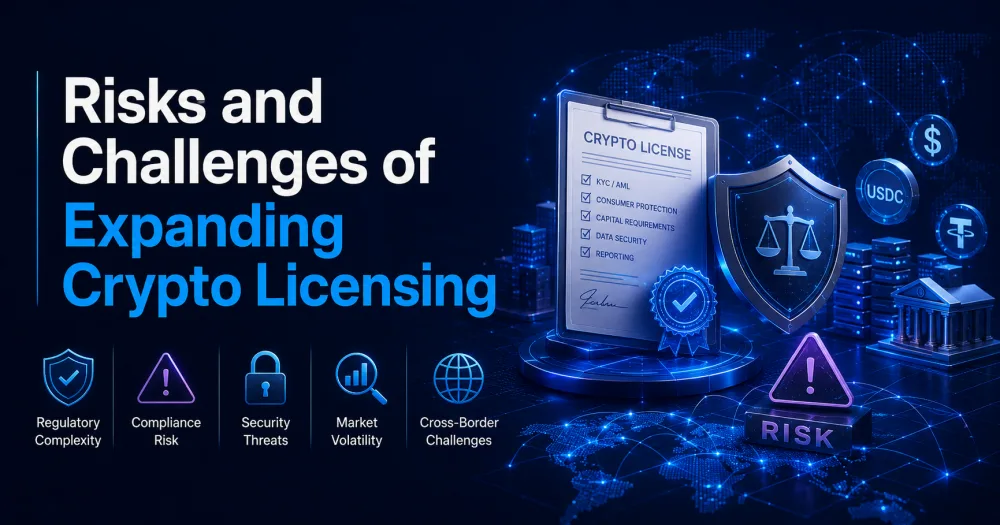
One hurdle stands out above the rest – rules split across regions. Where a firm operates shapes how it must act, since each place draws lines in its own way. From Tokyo to Dubai, definitions shift underfoot. What passes in London might stumble in San Francisco. Adjustments follow movement, quietly expected.
When a stablecoin loses its anchor, trouble follows. Trust keeps it working, nothing else. Should backing fall short or payouts stop, belief in the link fades fast. Without that faith, value begins to slip without warning.
Fees tied to the following rules keep going up. Getting permits, checking systems, watching activity, protecting data, filing updates, plus handling contracts – all add big bills. Bigger firms might handle it better. Smaller ones trying new ways to pay with digital money could struggle more now.
Hackers look for weak spots. When payments move across chains, they touch bridges, then wallets, followed by smart contracts – each step opens a door. APIs connect pieces, custody holds assets, while liquidity flows through providers. One flaw anywhere might be enough.
What Mastercard faces goes beyond just obtaining a license. Security in its blockchain payment setup has to meet institutional standards. Building trust means more than paperwork – it demands resilient systems underneath.
Related: Top 5 Most Powerful Crypto Politicians Driving Global Cryptocurrency Policy and Regulation
Stablecoin Oversight Matters for Global Financial Stability
Finance isn’t ditching fiat just because stablecoins exist. Many top stablecoins? They’re really government money moving across digital networks. What’s shifting underneath is how payments settle – less only fiat, more digital tokens tied to traditional currency.
Because of this, watching closely makes a difference. When stablecoins follow rules, banks feel surer about backup funds, getting money back, checks on operations, and how things are run. Risk stays, yet becomes simpler to understand. Not gone – just clearer.
Big payment companies could be how most people first touch blockchain tech. Which specific network handles a transaction might stay invisible to users. Banks or stablecoins? For merchants, that detail may feel irrelevant. What matters instead: speed, cost, rules adherence, and consistency in transfers.
Money moving across borders holds the largest reward. Right now, plenty of routes remain sluggish and costly. When regulated stablecoin networks grow stronger, companies find it easier, and people, too. Global transfers might just slide through with far fewer hurdles.
For this reason, Mastercard’s crypto permit holds weight. Stablecoins now sit nearer to approved financial systems, revealing a shift – crypto isn’t battling banks; it’s weaving into world money networks. A new path forms when old structures absorb fresh tools.
FAQ
Mastercard Seeks Crypto License?
Now stepping into licensed digital assets, Mastercard aims to enable settlements through stablecoins while linking wallets alongside compliance resources and systems for crypto transactions. Payment pathways shift quietly under new frameworks shaped by real-time verification layers woven into financial rails. Infrastructure evolves without fanfare, guided by practical needs rather than bold claims floating above daily use.
How Does Stablecoin Oversight Affect Global Payments?
Now, clearer rules help banks accept digital money transfers. Firms that sell things start treating stablecoins like regular cash. Rules say backup funds must be safe and available. Turning coins back into dollars needs to go smoothly. Groups watching crime stop checks now have a way in. Whoever holds the assets has clear duties. Reports get filed regularly, just like banking work.
What’s Mastercard’s Approach to Stablecoins?
Mastercard links blockchain payments to regular banking setups. This path weaves in merchants alongside financial institutions through controlled networks. Instead, it blends new tech with familiar money channels. Behind the scenes, connections grow between digital ledgers and standard transaction paths. Notably, each step ties into oversight-ready infrastructure. Alongside come partnerships shaping how value moves across platforms.
Why Do Stablecoins Matter for Global Payments?
Settlement times might shrink when stablecoins enter the picture. Costs drop here and there across certain transfer routes. Cross-border payments move quicker because of them.
Will Stablecoins Replace Card Networks?
Only partly. While stablecoins can challenge certain payment systems, traditional card networks continue offering merchants support through security measures, oversight standards, ease of use, and established trust.
Is Mastercard Expanding Into Crypto?
Regulated crypto systems gain strength here. Major payment platforms treating stablecoins as key players in tomorrow’s transactions reveal a shift already underway.