The Bolivian government is exploring the possibility of including USDT▲$0.9991 in its national payment system. We break down what’s known about the initiative.
According to Minister of Economy and Public Finance José Gabriel Espinoza, authorities are considering allowing USDT to function as an additional currency alongside the US dollar and the boliviano.
Hot topic: Social Media Buzz for Bitcoin and Ethereum Drops to 2020 Lows
The initiative is being discussed amid a persistent dollar shortage. Since the crypto ban was lifted in 2024, digital asset transaction volume in Bolivia has exceeded $14.8B.
Contents
Bolivia Seeks a Digital Dollar Alternative Amid Currency Crisis
Bolivia has faced an acute dollar shortage after the government abandoned the long-standing official exchange rate of 6.86 bolivianos per dollar. That fueled a parallel currency market, where the dollar traded at a significant premium to the official rate. The gap between the rates has increased demand for dollar alternatives, including stablecoins.
Espinoza emphasized that clear regulations aligned with international AML/CFT requirements would be needed before any Tether’s USDT stablecoin integration could move forward. Bolivia has been on the FATF “grey list” since summer 2025.
“These crypto assets must be thoroughly evaluated,” the minister said.
Read more: Not Just USDT and USDC — These Top 3 New Stablecoins Are Quietly Taking Over Crypto in 2026
Crypto Volume Growth and USDT’s Role in the Region
Since lifting the crypto ban in 2024, Bolivia has become one of Latin America’s fastest-growing digital asset markets. According to Chainalysis, transaction volume in the country reached $14.8B between July 2024 and June 2025–ranking eighth among Latin American countries, ahead of Ecuador and Puerto Rico. In October 2024, Banco Bisa launched USDT custody and transfer services.
Tether CEO Paolo Ardoino commented on the news, noting that USDT “is increasingly being used as a cornerstone in emerging market economies.” USDT’s market cap now exceeds $184B, making it the third-largest crypto asset globally.
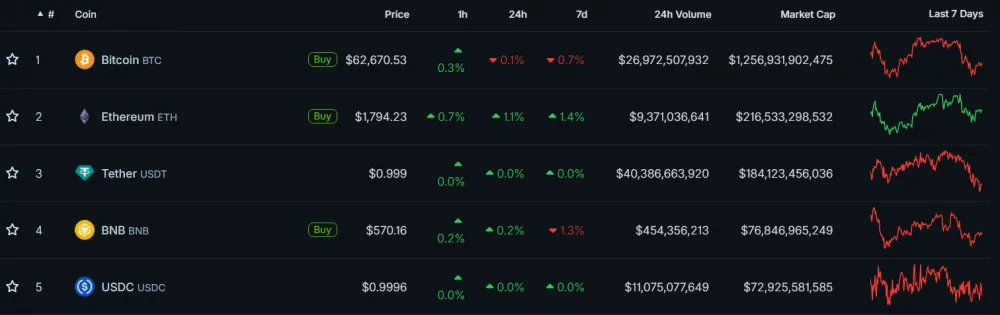
Integrating USDT into Bolivia’s national payment system could be one of the most significant moves to adopt stablecoins in Latin America. It would strengthen USDT’s position as a key settlement tool in countries with unstable national currencies and limited dollar access.
Learn more: Why Stablecoins Are the New Global Payment Layer in 2026 — The Shift in Global Finance