Halfway through 2026, digital assets aren’t driven by wild guesses like before. Now, big institutions shape the space with steady moves forward. Gone are tales of lawless frontiers; tight rules guide how things work today. Clear systems run behind the scenes, built for long-term function, not quick wins. While 2025 cleaned house and set guardrails worldwide, this period feels different. By spring of 2026, the foundation for next-gen finance starts running nations’ operations.
Right now, what’s pushing things forward comes down to one key thing – big players are back, putting money into straightforward investment tools. Not far behind, how risks get handled in complex financial contracts has gotten more polished over time. Another part of the story? Old-school assets are slowly making their way onto decentralized networks, just like they’ve done before.
Contents
ETF Inflows Rise Again Amid Shifting Views on Digital Gold
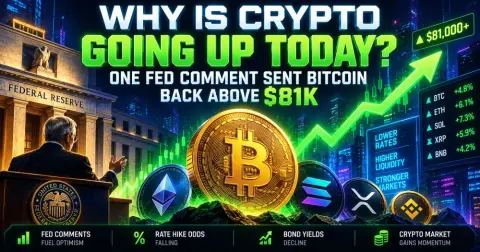
Now showing up loud and clear in early 2026: movement within ETF markets tipping hands about broader financial confidence. After sitting tight through most of 2025, waiting out tighter money policies worldwide, big investors are putting cash back into funds. This pivot toward buying isn’t just a blip – it’s holding steady, revealing renewed trust. Money once parked on the sidelines has started flowing again. What we’re seeing now suggests institutions aren’t hesitating like before. A quiet but powerful turn is underway.
Related: Ethereum Price Prediction 2026. Will ETH Reach New All-Time Highs in May?
The Move from Guessing to Assigning
Early in 2024, those buying ETFs stood out like quiet experimenters inside old-school finance setups. Come mid-2026, Bitcoin, along with Ethereum, quietly settled into regular investment mixes at big financial firms. Gone now are frantic surges tied to short-term price spikes. What shows up instead? A slow but clear flow of cash from pensions, national reserves, and retirement plan operators. Unlike past waves fueled by individual traders jumping in and out, this kind of money sticks around – calmer under pressure, harder to shake loose, helping smooth out wild swings that once defined the market.
The Growing Range of Products
By mid-2026, what started as basic spot products has grown into something more complete. Instead of isolated positions, portfolios now include bundles mixing different digital assets. On top of that, Ethereum exchange-traded funds began delivering returns through built-in staking, feeding those gains straight into net asset value.
As these shifts took hold, money flowed in from directions once hesitant. Big players who previously tested the waters with small bets on Bitcoin are now shaping broader strategies. Their moves show a clear shift – seeing decentralization not as a trend but as part of core investing, standing beside stocks and bonds.
Derivatives Market Resets With Better Risk Controls

Back then, crypto’s biggest weakness showed up in hidden, sky-high borrowing. Earlier surges leaned entirely on shaky setups – think 100x bets placed overseas plus tangled asset pools – that sparked chain-reaction wipe-outs once things tipped. Now, moving into mid-2026, something different takes shape: derivative trading clears the fog, slowly shaping into something structured and mature. A shift, quiet but clear.
The Shift Toward Regulated Trading Platforms
Nowhere near as murky as before, this overhaul finds its roots in a surge of activity shifting from shadowy venues into clear, rule-bound exchanges across places such as Singapore, Europe, and America. Standing at levels not seen in years, open interest today carries weight – yet differs sharply from 2021’s frenzy. Back then, risk ran loose; now, every leveraged position sits backed by real assets, mostly tied to big players managing exposure. Instead of small investors chasing wild gains, it is dealers shaping markets through derivative tools, adding stability, and narrowing gaps between prices
Programmable De-Risking
Now things have changed because live blockchain tracking powered by smart software helps control danger better. By mid-2026, the fear of one failure spreading across markets has dropped sharply. Because systems adapt instantly to wild price swings, exchanges rely less on fixed rules but instead shift margins as conditions change.
Since positions unwind automatically when needed, growth isn’t built on shaky paper bets but on real money moving in. Without this stability, those huge forecasts for late-year worth wouldn’t stand any chance at all.
RWA On Chain Reaches New Peak As Tokenization Grows
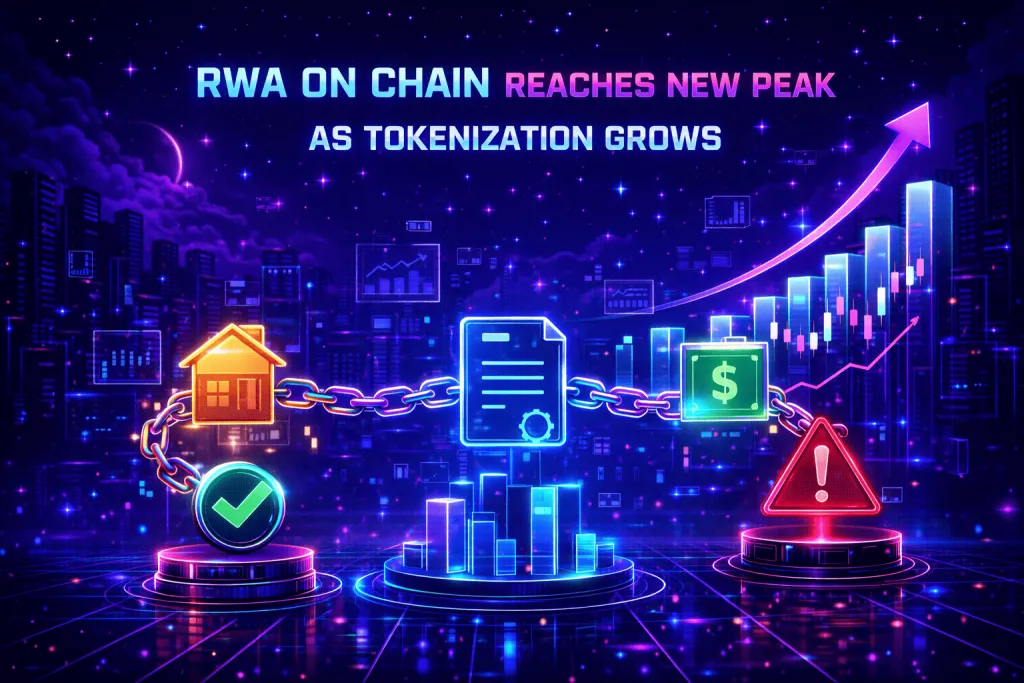
Nowhere was the change clearer than in how money is moving during 2026 – away from crypto-only systems toward tangible assets. Instead of waiting, companies started using tokenized property, loans, and even machinery right away.
By midyear, real things backed digital transactions like never before. Volume tied to physical assets on blockchains soared past earlier peaks. Proof emerged slowly: ledgers built years ago now serve actual business needs.
Read more: South Korea Plans to Regulate RWA and Stablecoins Under Existing Financial Laws
The Move Toward Tokenized Assets
Out of nowhere, real-world assets (RWA) are hitting new highs – powered mostly by digital versions of U.S. Treasury notes along with chunks of private lending. While old-school banks drag their feet and charge high fees, big companies worldwide have started using blockchain-based debt tools just to get things done faster.
Come mid-2026, firms such as BlackRock, JPMorgan, and Goldman Sachs aren’t testing anymore. Instead, they place massive amounts of digitized short-term paper and long-term bonds onto hybrid public-ledger systems.
Record High Significance
What’s behind the surge in RWA volume lately comes down to two things. One factor builds on shifting market behavior over recent months. Then there is the quiet rise of new platforms enabling broader access. Each piece fits differently into today’s landscape. Together, they push totals higher than seen before.
By 2026, blockchains began speaking the same language. Instead of staying locked in one system, assets started moving freely across networks. Take a bond turned into a digital token – it lives on a private financial ledger at first. Yet it might wind up backing a loan inside a public DeFi platform later. Communication between separate systems made such shifts possible.
Most times, real-world assets live right on blockchain ledgers. These deliver steady returns that hardly react when crypto prices swing wildly. Instead of chasing noise, investors find calm here – rates hover near 4 to 5 percent. Money moves freely at any hour, yet feels just as secure as funds tucked in traditional banks. Not magic, structure working quietly behind code.
Out of nowhere, real-world asset uptake marks crypto’s shift into mass production. Not just isolated bets anymore – these tokens now move like freight on invisible tracks, linking money and markets worldwide.
Crypto as a hedge in global uncertainty
Right now, into late April 2026, big economic forces are impossible to overlook. Global borrowing has climbed so high it feels unmanageable. At the same time, regular money keeps losing value quietly, bit by bit. Because of this shift, more people see Bitcoin in a new light – like digital gold. What’s happening in markets today shows that the idea isn’t just talk anymore.
Surprisingly, central banks across the Global South now slip Bitcoin into state coffers, much like top corporate holders do. Instead of waiting, they mirror moves once seen only in private giants. Quiet shifts lend weight – a new kind of trust forms where none did before. In recent months, hints have emerged: a changing global flow is beginning to lift rare, independent assets. Scarcity gains ground as tides turn beneath.
A Quarter Focused on Real Value Instead of Noise
Midway through 2026 might stick in memory not for drama, but quiet maturity. Instead of hype, steady money moved into ETFs. Derivatives didn’t crash this time – they reformed, quietly. Alongside, real-world assets surged, not in theory, but on ledgers. Strength showed up sideways, built piece by piece. Nothing felt sudden; everything added weight.
Now, it is not wild guesses that are pushing things up. What you see now builds slowly, clearly, across borders. Investors today pick pieces of tomorrow’s money system instead of chasing huge wins. Gone is the shouting crowd. In comes a calm pulse, regular like breathing, shaped by big players settling in.
Right now, real-world assets are pulling more interest every day while derivative markets hold steady. Instead of thinking this is merely a fresh cycle in crypto, picture it as the first warm week of a long tech shift. The pace suggests 2026 won’t slow down. Decentralized systems aren’t peaking – they’re settling into place slowly, like roots spreading under soil.