Spending money day-to-day? Some cards now hand out digital coins instead of regular money back. Rather than just dollars, you might get Bitcoin – or assets tied to a platform, even stable forms of crypto that later shift into BTC▲$77,666.00. Where you live plays a role in that. So do limits on earnings, who holds the funds, what it costs to use, and how much actually ends up in your pocket.
Contents
- What Are Bitcoin Rewards Cards and How Do They Work?
- How We Evaluated the Best Bitcoin Rewards Cards
- Coinbase Card (Coinbase One) – Best for Mainstream Bitcoin Rewards
- Crypto.com Visa Card – Highest Cashback Potential
- Bybit Card – Best for Maximum Cashback Tiers
- Nexo Card – Best for Spending Without Selling Bitcoin
- Wirex Card – Best for Global Crypto Spending
- Bitcoin Rewards Cards Comparison Overview
- Which Bitcoin Rewards Card Is the Best in 2026?
- Risks of Bitcoin Rewards Cards
- Bitcoin Rewards Cards vs Traditional Cashback Cards
- Future of Bitcoin Rewards Cards in 2026 and Beyond
- FAQ
What Are Bitcoin Rewards Cards and How Do They Work?
Now and then, a card ties into a cryptocurrency setup – wallets, platforms, or lines of credit included. Swipe it like any regular payment method across standard networks. Following certain buys, the company drops bonus Bitcoin straight into your account. Rewards show up later, triggered by what you bought.
Related: Best Crypto Debit Cards 2026 — Top Leading Platforms for Issuing Crypto Payment Cards
How Bitcoin Cashback Cards Actually Generate BTC Rewards
Bitcoin isn’t mined through cards. Earnings often stem from subscription fees, campaign payouts, trading profits, network rewards, or transaction margins – meaning cashback deals need evaluation based on actual returns.
Debit vs Credit Crypto Cards Explained
Money moves fast with debit cards – only what you have counts. Borrowing shows up when credit steps in, letting payments slide till after. Instead of debt, certain crypto setups demand something valuable to be locked first. Rewards on Bitcoin-linked debit tools? Straightforward stuff, no extra layers.
How Rewards Are Paid (BTC, CRO, BNB, or Fiat Conversion)
Some cryptocurrency reward cards skip straight to Bitcoin payouts. Coinbase sticks to BTC returns. Meanwhile, firms like Crypto.com, Bybit, Nexo, Wirex, and Binance hand out different digital coins instead of Bitcoin through their cashback systems.
Custodial vs Crypto-Backed Card Models
Holding money on a platform? That is what custodial cards do. Instead of cashing out digital property, some cards allow borrowing using it as backup. Keeps ownership intact – yet danger hides in needing guarantees. Risk shifts when the value drops too far under the line.
How We Evaluated the Best Bitcoin Rewards Cards
Headline numbers often miss what really matters. Our take digs into real returns, not just surface perks. Fees eat gains – so we checked every charge. Foreign exchange cuts deep; it got full attention. Staking sounds smart until rules trap you – those were tested. Getting your coins should be simple, so access limits mattered. Who holds the keys? That question shaped our review. Safety isn’t optional – we weighed protections closely. Long-term impact counts too; green claims needed proof.
Cashback Rate vs Real Effective Yield
After hitting limits, paying charges, facing restrictions, dealing with shifting coin values, or spending on staking, what looked big often fades. What remains when all that’s taken out – that number – is real return.
Fees, FX Spreads, and Hidden Costs
Fees for cards, limits on ATMs, wide gaps in cryptocurrency pricing, foreign exchange costs, and recurring payments might wipe out any perks. Sometimes a basic card wins over the flashiest crypto option offering top rewards.
Staking Requirements and Tier Systems
Some cryptocurrency cashback cards sort users into levels. To get better returns, you might need to lock up funds. Reaching elite status could mean buying special packages. Big account totals sometimes unlock extra perks. Paying for membership may boost what you earn back. Each of these choices pulls value away from other uses.
Regional Availability (US, EU, Global Access)
Out of reach here, that same card works just fine across the ocean. Depending on who issues it – and what rules apply – things shift sharply between regions like the US, Europe, Britain, Asia-Pacific, or worldwide setups.
Security, Regulation, and Exchange Reputation
When people hand over money, they also share ID details, transaction history, and maybe even assets. Rules around permits shape choices just as much as how safe a system feels. Help when things go wrong counts. So does what others say about the company later at night.
Read more: How to Choose a Crypto Debit Cards: 2026 Complete Guide
Coinbase Card (Coinbase One) – Best for Mainstream Bitcoin Rewards
Bitcoin perks come easiest through the Coinbase Card. People on Coinbase often find it fits right into their routine. For those wanting straightforward access, this path works without extra steps.
Cashback Structure and BTC Reward System
Bitcoin comes back to you through the Coinbase One Card, depending on what you keep stored there. If someone wonders which card hands out Bitcoin as rewards, this one stands out clearly.
Fees and Subscription Requirements
Membership ties you in. To unlock the card’s full perks, signing up for Coinbase One might be necessary – so the bonuses need to outpace what it costs to stay in.
Pros and Cons for Everyday Users
Simple design stands out right away. The brand is already known by many people. Getting Bitcoin straight into your account feels rewarding. Holding funds for users can create problems later. Some people cannot join because of strict conditions. Paying each month adds up over time.
Crypto.com Visa Card – Highest Cashback Potential
Starting strong, Crypto.com’s Visa Card leans into levels of rewards, added extras, and some tied directly to using their platform. Big gains are possible – though they hinge on how much you hold in CRO▼$0.0581 tokens.
Cashback Tiers and CRO Staking Requirements
Bouncing between levels, rewards shift as you climb. Reaching the top often means locking up CRO tokens. Some steps ask for monthly fees instead of stakes. Commitment size can decide how much comes back.
Extra Perks (Spotify, Netflix, Travel Benefits)
What stands out about Crypto.com? Streaming refunds, trips covered, airport lounges unlocked, extras included. Helpful, sure – though what you get shifts depending on where you are, which level you’re at.
Limitations and Risk Factors
Chasing returns might backfire when prices drop. Should CRO slide, big rebates start feeling less exciting.
Bybit Card – Best for Maximum Cashback Tiers
A solid pick for those deep into crypto? The Bybit Card stands out when rewards matter most. Tailored to match the habits of existing exchange users, especially if they’ve reached certain account levels.
VIP Tier System and Reward Structure
Most folks notice the Bybit card gives back part of what you spend in Bitcoin. This perk scales up depending on how much you do inside the platform. Reaching better levels often ties to your status or how active you are. Spending more might unlock improved rewards, but it’s not automatic.
BTC vs USDC Cashback Options
For holding Bitcoin over time, cashback in BTC makes sense. Those wanting steady returns with smaller swings might prefer USDC▼$0.9998 payouts.
Who This Card Is Best For
Most people trading often find the Bybit Card fits their rhythm. Heavy spenders tend to get more from it, too. If you live inside crypto exchanges already, this feels like home. Setup skips simplicity, though. Anyone hoping for a traditional banking card experience might feel off balance here.
Related: How to Use Ledger Nano & Hardware Wallets: Step-by-Step Guide to Secure Your Crypto in 2026
Nexo Card – Best for Spending Without Selling Bitcoin
With the Nexo Card, borrowing uses cryptocurrency as collateral. Designed for those needing cash access without selling their Bitcoin or eligible holdings.
Crypto-Backed Credit Line Explained
Spending power comes from locked-up digital assets when using the Nexo card. Instead of cashing out Bitcoin, people access funds while keeping holdings intact. Yet every advance ties to how much value it. Risk shifts as market prices move up or down. Balance plays a role – too little cushion increases exposure.
Cashback Rates and Flexibility
Some get money back through Nexo, based on their level and chosen asset. While Bitcoin returns might fall short compared to native tokens, picking BTC skips the added risk from new coins.
Strengths and Limitations
Spending power comes from using funds while keeping crypto untouched. Yet here’s the catch – debt exposure tags along, making it better for those who know their way around assets rather than beginners swiping cards.
Wirex Card – Best for Global Crypto Spending
Spending happens through a single app where crypto meets stablecoins, along with regular money. Built into worldwide payment systems, Bitcoin perks come alive on every Wirex card.
Multi-Currency Support and BTC Rewards
Spending happens in many currencies at once with Wirex, while crypto moves between places easily. Because rewards show up via Cryptoback, look closely at which digital item applies.
Cashback Structure and Limits
Most of the time, Wirex pushes big Cryptoback numbers – yet what you actually get shifts with your tier, limits, where you are, plus fees when switching currencies.
Real-World Usability
Travel fits neatly into Wirex’s strengths, especially when juggling several currencies at once. Those chasing a single app to handle daily spending might find it useful. Getting started could feel heavier compared to simpler cards meant for newcomers.
Bitcoin Rewards Cards Comparison Overview
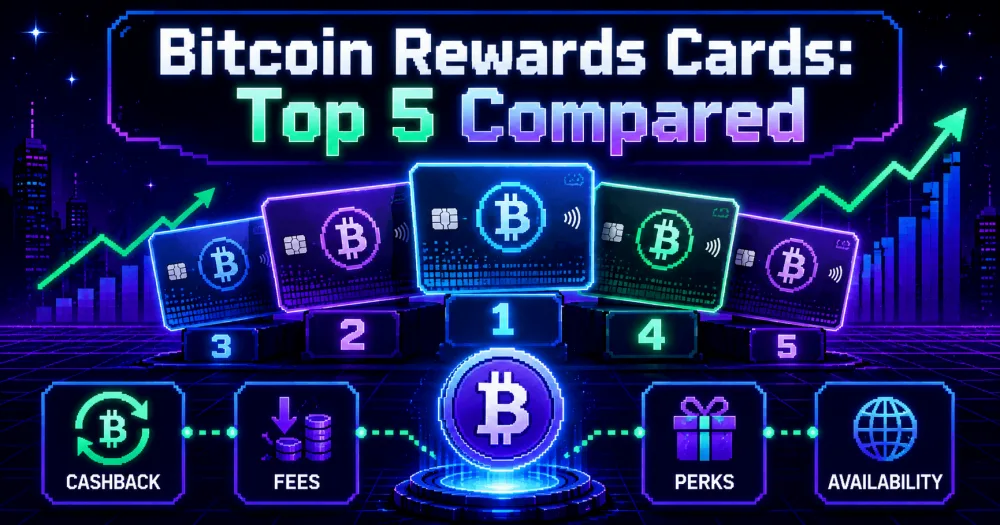
One card fits beginners – Coinbase keeps it straightforward. Perks come through Crypto.com, drawing those who like extras. Active traders lean toward Bybit for its pacing. 3When backing funds matter, Nexo steps in with collateral options. Global movers find their match in Wirex spending across borders.
Read more: Can Bitcoin Crash to $20K in 2026? What Could Trigger a Historic Crypto Market Collapse
Fees, FX Costs, and Hidden Charges
Surprises tend to hide where you least expect them. Look at withdrawal policies instead of just balance fees when checking cards. Exchange markups might matter more than signup offers. Monthly charges sometimes outweigh bonus programs. Hidden limits on perks can undo a strong front-page deal.
Custody Models and Risk Levels
Most folks using Coinbase, Crypto.com, Bybit, or Wirex let those platforms hold their assets. When it comes to Nexo, borrowing against funds brings extra exposure – keeping an eye on login security matters just as much as the company’s health does. What happens behind the scenes can shift quickly, even if things seem steady at first glance.
Geographic Availability Breakdown
Most everyday users in the U.S. lean toward Coinbase. Meanwhile, platforms like Crypto.com find firmer ground across parts of Europe. Bybit holds sway where global access matters most. Nexo builds presence through niche financial tools abroad. Wirex gains traction in regions favoring linked spending options.
| Platform | Best For | Reward Type | Key Advantage | Main Limitation |
|---|---|---|---|---|
| Coinbase Card | Beginners | Bitcoin rewards | Simple BTC cashback system | May require Coinbase One |
| Crypto.com Visa Card | High cashback seekers | Crypto cashback | Strong tiered perks | CRO staking exposure |
| Bybit Card | Active traders | BTC or USDC rewards | High reward tiers | Depends on VIP status |
| Nexo Card | Long-term holders | BTC or NEXO▼$0.8302 cashback | Spend without selling crypto | Credit line risk |
| Wirex Card | International spending | Cryptoback rewards | Multi-currency support | Caps and plan limits |
Which Bitcoin Rewards Card Is the Best in 2026?

Some people want real Bitcoin back when they spend. Others care more about wide usability than digital currency perks. High return rates matter to frequent buyers. Access anywhere often counts for travelers. Low costs appeal to budget keepers. Getting loans from the account fits long-term planners. What works well changes based on personal habits.
Best for High Cashback Optimization
For those aiming at bigger rewards, Crypto.com stands out just like Bybit does. People comfortable with shifting card conditions often lean toward one or the other. Staking knowledge matters here – so does tracking how VIP tiers shift over time. Exposure to native tokens plays a role, whether you stay long or move fast. Complexity doesn’t scare these users; it shapes their choices instead.
Best for Beginners and Simplicity
Starting out? This card (Crypto.com) often fits right away. Rewards work without confusion, thanks to a name most already know. Instead of juggling points or mystery tokens, you get Bitcoin – a plain view. Fewer steps mean fewer hiccups along the way.
Best for Crypto-Native Users
Spending straight from your exchange? That might suit you if you trade a lot – think Bybit. For those keeping coins long term yet needing access, spending via loans could make sense. Nexo steps in there. Different paths, depending on how hands-on you stay.
Best for International Spending
Spending abroad? Wirex lines up better thanks to built-in support for many currencies. Still, travelers ought to look into exchange fees, where the card works, how much they can pull from ATMs, plus any hard stops on rewards.
| User Type | Best Card Choice | Why It Fits | What To Check First |
|---|---|---|---|
| Beginner | Coinbase Card | Simple Bitcoin rewards and easy setup | Subscription cost and regional access |
| Cashback optimizer | Crypto.com Visa Card | Higher tier rewards and extra perks | CRO staking rules and reward caps |
| Active trader | Bybit Card | Flexible rewards for exchange users | VIP tier conditions and spending limits |
| Bitcoin holder | Nexo Card | Allows spending without selling BTC | Loan-to-value risk and repayment terms |
| Frequent traveler | Wirex Card | Multi-currency spending in one app | FX fees, ATM limits, and plan costs |
Risks of Bitcoin Rewards Cards
Most people overlook how shaky crypto rewards cards really are. Still, some find them handy despite the downsides. Prices swing without warning, making balances unpredictable overnight. Platforms might vanish or malfunction when least expected.
Governments often shift rules with little notice. What once earned high returns could suddenly offer nothing. Access to benefits may disappear even if you did everything right.
Volatility Risk of BTC Rewards
Over time, BTC rewards might grow more valuable – though just as easily lose worth once claimed. Those wanting steady growth could find regular money or stablecoins a better fit.
Hidden Fees and Reward Dilution
Most times, what looks like a big reward shrinks once costs sneak in. Fees eat into gains. Spreads widen the gap between promise and payout. A cap might block full earnings. Tokens can vanish, too. That shiny number up top? It lies. Work out the real cashback first. Then decide if the card makes sense.
Platform and Custody Risks
When something goes wrong with a bank or payment platform, people might lose access to their money. Problems like frozen accounts, sudden policy shifts, broken software, or local service cuts block card functions. Access slips away if any part of the network stumbles – whether it is verification tools, companies handing out cards, transfer hubs, or digital interfaces.
Bitcoin Rewards Cards vs Traditional Cashback Cards
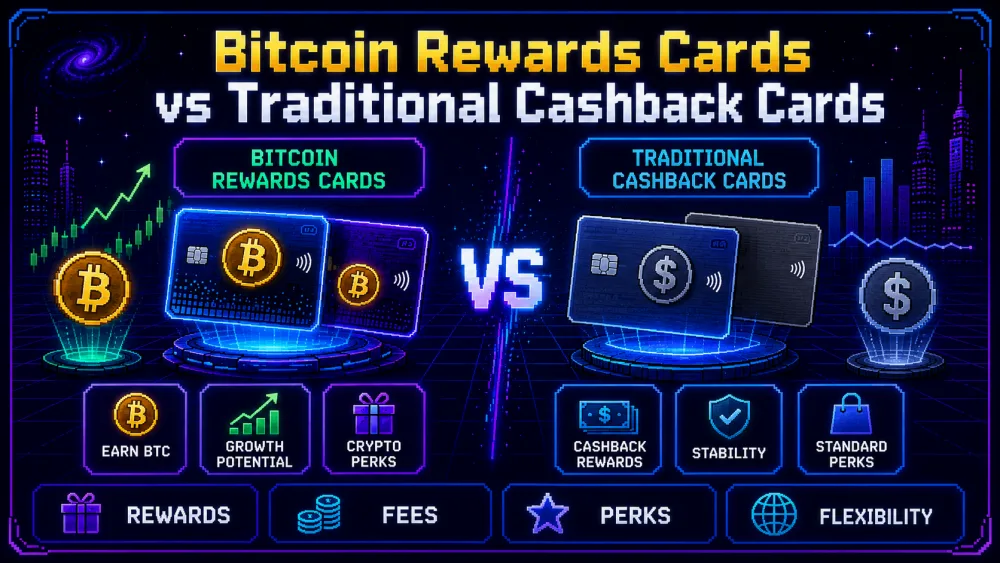
Some older-style cashback cards feel easier to use, plus they usually come with better safeguards for buyers. Getting into crypto cards means potential gains along with entry to new digital worlds, yet it brings swings in value and worries about who really holds the assets.
Long-Term Value Comparison (BTC vs Fiat Cashback)
Most people find regular money rewards predictable in worth. When Bitcoin climbs, its rewards might beat those over months. Yet price swings make crypto returns shaky by comparison.
Spending Flexibility in Real Life
Most places still expect regular cards when booking stays or renting things. If you own cryptocurrency, spending it through a card could make sense sometimes. Instead of moving funds around, just pay directly where accepted.
Some travelers find that simpler. Others stick with plastic for protection during problems. When issues come up, banks often respond faster than crypto platforms. Holding coins does not always mean using them is easier. For some people, though, fewer steps matter more than support teams.
Sustainability of Reward Programs
Most reward setups last only if they make financial sense. When a card depends on discounts or digital points, benefits might vanish down the line.
Future of Bitcoin Rewards Cards in 2026 and Beyond
One step ahead might mean leaning into digital wallets, steady-value coins, quick payouts, not flashy promises. Products that stay quiet could actually work more smoothly when rules tighten around them.
Integration with DeFi and Crypto Wallets
One way things might shift: tapping right into personal wallets through cards. Accessing stablecoins sits alongside that move, tied not by chance but design. Control gets sharper for users – though safety steps must grow tougher too. Risks climb as convenience rises; there’s no avoiding that balance.
Growth of Instant Crypto Settlement Systems
One way things shift: stablecoins help bridge digital money and everyday spending. When settling trades gets smoother, payment cards start acting less like plastic – more like wallets built for crypto.
Regulatory Pressure and Market Evolution
Survival of programs hinges on rules set by authorities. When it comes to compliance, firms face hurdles like identity verification, watchlist screening, permit management, safeguarding users, and filing taxes correctly.
FAQ
Bitcoin Rewards on Crypto Cards?
Bitcoin payouts come easiest through Coinbase. Other cards might give you crypto instead of cash back, or allow you to exchange points for BTC.
Best Bitcoin Rewards Card for New Users?
Most people find the Coinbase Card easiest at first since it sticks to Bitcoin perks and feels like apps they already know. Yet new users ought to check fees alongside where it works before deciding.
Top Crypto Cards With Most Cash Back?
Most of the time, Bybit and Crypto.com promise big cashback rewards. What actually pays more comes down to limits, charges, staking fees, coin risks, and account level.
Are Bitcoin Rewards Cards Worth It?
A person who spends a lot might find value in a Bitcoin rewards card – especially if costs stay low and building up BTC matters. Yet it loses appeal once charges eat into what you earn.
How To Stay Safe With A Crypto Rewards Card?
Start smart by keeping amounts low. Security matters most, so turn on every protection available. Fee details hide surprises – read them closely. Try pulling out funds before trusting it fully. Never tie everything to just one service. Think of the card as a way to pay, never a place to park money.