This guide explains where to buy, how to compare costs, and how to move coins later. When people buy ethereum, they are buying Ether, shown as ETH▲$1,761.17. The goal is simple: pay with a supported method, receive ETH, and confirm custody.
Many readers want to buy eth online without learning every market detail first. That works, but the first order should still include a fee check and a wallet decision. A small test purchase usually teaches more than a rushed large order.
Before the first purchase, gather the basics shown below. This short setup removes most delays at checkout.
| What you need | Why it matters | Typical amount |
|---|---|---|
| Email address | Login, alerts, recovery | 1 active email |
| ID document | KYC verification | 1 passport or ID card |
| Card or bank account | Funding the purchase | 1 payment method |
| Wallet | Storage after purchase | 1 app or device |
| Starting budget | Covers purchase and fees | 50 to 150 |
That is enough for most first-time buyers. If you plan to withdraw fast, set up the wallet before paying.
Disclaimer:
This guide is for educational purposes only. It does not provide investment, legal, or tax advice, and platform availability, verification rules, and payment options can differ by provider and country.
Last updated: March 10, 2026

Contents
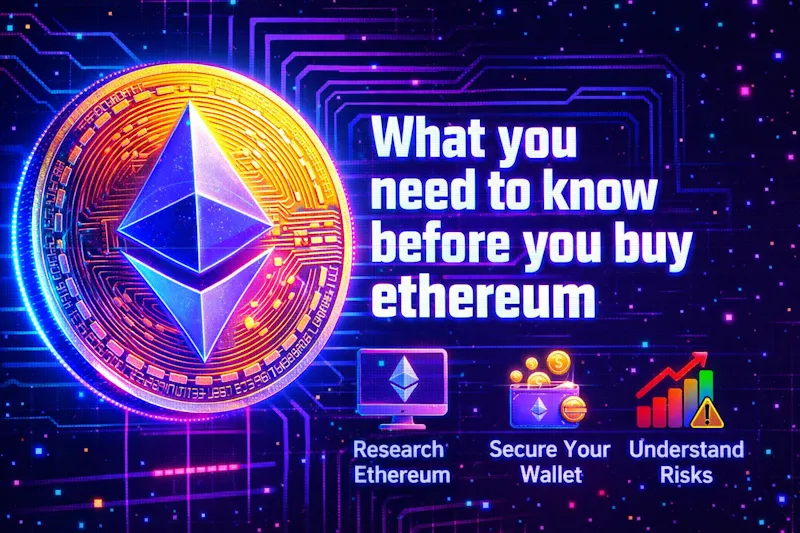
What you need to know before you buy ethereum
Ethereum is the network. Ether, or ETH, is the asset you hold, send, or sell. Some apps only give price exposure. Others let you withdraw coins to a private wallet after you buy eth.
A one-time purchase fits a first test. Regular purchases fit people who want smoother entry prices over time. Before you buy eth online, check verification rules, local restrictions, supported currencies, and daily limits.
A simple review avoids costly errors. Check these five points before you continue.
- Confirm the service supports your country and currency
- Check whether ETH can be withdrawn to an external wallet
- Review trading fee, spread, deposit fee, and withdrawal fee
- Verify whether identity checks apply before purchase
- Decide between one-time and recurring buying
These checks take minutes, but they can prevent failed payments and blocked withdrawals later.
Expert comment: Matt Hougan, Chief Investment Officer at Bitwise
In his Bitwise memo on Ether’s role in a portfolio, Matt Hougan explains that Bitcoin and Ethereum serve different roles. In his view, Bitcoin is primarily money, while Ethereum is a platform for programmable assets, stablecoins, tokenization, and smart contracts. This point works well here because it shows that buying ETH is not just buying another ticker, but buying exposure to a different type of network.
Where to buy eth online
Most people choose between a centralized exchange, a wallet with built-in purchase, and a fintech app. The right option depends on custody, fees, and whether you may later buy eth again on a schedule.
The main differences are easier to see in a side-by-side view. Use this table as a filter, not as a final verdict.
| Option | Best for | Pros | Cons | When to choose |
|---|---|---|---|---|
| Centralized exchange | First-time and repeat buyers | Lower trading fees, more order control | KYC, more steps, withdrawal fees | When cost and transfer options matter |
| Wallet with built-in buy | Users who want direct custody | Fewer transfer steps, fast setup | Higher fees, fewer tools | When coins should land in your wallet |
| Fintech or investing app | Users who want a familiar screen | Easy funding, simple interface | Limited withdrawal support | When convenience matters more than control |
A centralized exchange fits most users. A wallet suits people who want custody first. A fintech app fits people who want a simpler screen.
How to choose a service to buy eth safely
A low visible fee can hide a wide spread. A polished app can still block withdrawals. Choose a service that supports your country, shows full costs, and lets you move coins after you buy eth.
Use these six checks before signup. They show whether the platform is built for real use, not only for easy onboarding.
- Licensing status and public reputation
- Clear fee page and order preview
- Supported payment methods
- Support for your country and currency
- External wallet withdrawals
- 2FA and account security tools
That matters most when you buy eth online through an unfamiliar provider. Security problems usually start with skipped checks, not with bad luck.
Expert comment: Vitalik Buterin, co-founder of Ethereum
In his essay Having a safe CEX: proof of solvency and beyond, Vitalik Buterin argues that exchange transparency should not stop at proof of reserves. He stresses that real solvency requires both proof of assets and proof of liabilities, because reserves alone do not show whether customer balances are fully covered. This fits here because it gives readers a practical way to judge whether a platform is only signaling safety or actually proving it.
How to buy eth step by step
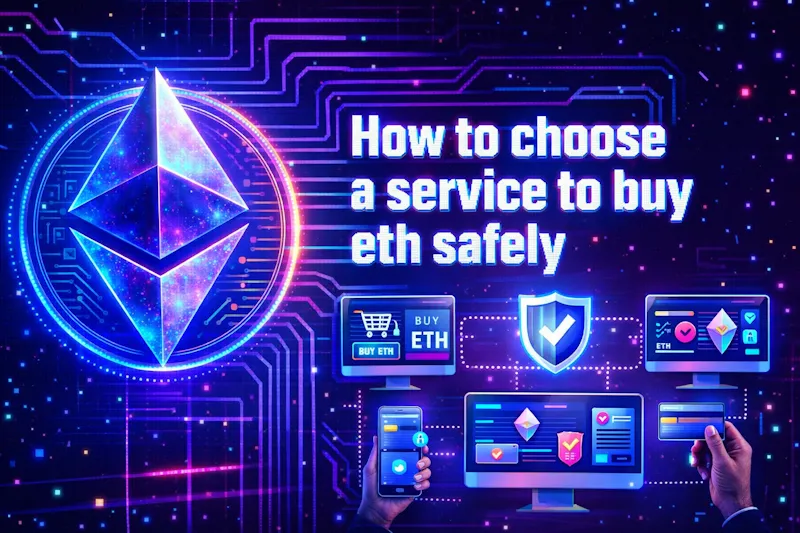
The process looks similar on most platforms. Button names change, but the logic stays stable. If you want a clean answer to how to buy ethereum, the six steps below cover the full path.
New users asking how to buy eth usually need a straight sequence, not trading jargon. These steps help you buy eth without guessing.
- Choose a platform that matches your goal
- Register an account and complete KYC
- Add funds with your preferred method
- Find ETH and confirm the ticker
- Enter the amount and review total cost
- Confirm the order and check your balance
That sequence works for most first purchases. The details below explain what to watch at each stage.
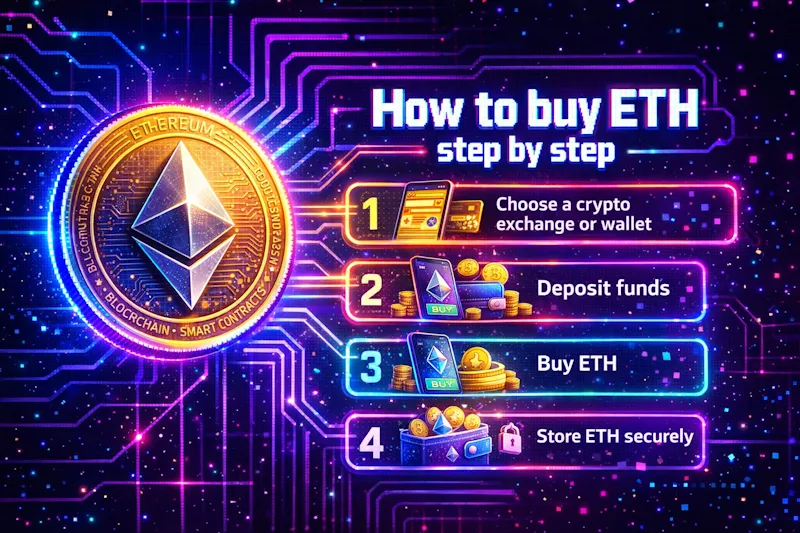
Step 1. Choose a platform
Start with the outcome you want. Some services suit buy-and-hold users. Others are better if you plan to transfer funds out after you buy eth. For small purchases, check minimum order size before signup.
If the plan is simple storage on the platform, many services will work. If the plan includes self-custody, check withdrawal support first.
Step 2. Register and complete KYC
Most regulated services ask for the same core data. You usually provide an email, legal name, birth date, and address. Then the platform requests an identity document. Some services also request proof of address.
Keep these items ready before you start. That shortens approval time and reduces failed submissions.
- Email address
- Passport, national ID, or driver license
- Proof of address, if required
KYC exists to meet compliance and fraud checks. Without it, limits may be low, and some payment methods may stay locked.
Step 3. Fund the account
Funding method shapes speed and total cost. Cards are fast. Bank transfers are often cheaper. That trade-off matters each time you buy ethereum, especially when fees are added before execution.
The main funding routes differ in cost and timing. Compare them before you choose one.
| Method | Speed | Usual fee pattern | Common limits |
|---|---|---|---|
| Debit card | Instant to minutes | Medium to high | Lower daily limits |
| Credit card | Instant to minutes | High | Often blocked or capped |
| Bank transfer | Hours to 3 days | Low to medium | Higher limits |
| Local payment method | Minutes to 1 day | Mixed | Country-specific |
Fast funding is convenient, but it often costs more. Cheap funding is slower, but it usually scales better for larger orders.
Step 4. Find ETH and confirm it is ethereum
Search for ETH and read the asset line, not only the logo. Users sometimes confuse ETH with ETC▲$7.27 or wrapped tokens. That is why careful screens help you buy eth instead of the wrong asset.
Before you press Buy, confirm these points. A ten-second check can prevent a costly mistake.
- Ticker shows ETH, not ETC
- Asset name matches Ethereum
- The network shown matches your plan
- The final quote includes fees
- The withdrawal route supports ETH
This step matters more than many beginners expect. Similar tickers and token names cause many avoidable errors.
Step 5. Enter the amount and review the final cost
The amount entered is not always the value received in ETH. The screen may include a trading fee, a spread, a card fee, or a deposit fee. If you will withdraw soon, add the withdrawal and network cost too.
A small example shows the difference clearly. The numbers below are sample figures, not live quotes.
| Example item | Amount |
|---|---|
| Purchase amount | 100.00 |
| Trading fee | 1.00 |
| Spread cost | 1.50 |
| Card processing fee | 2.50 |
| Total charged | 105.00 |
Read the preview twice before payment. A lower visible fee does not always mean a lower total cost.
Step 6. Confirm the purchase and check your balance
After confirmation, open the balance and order history. Then enable 2FA and decide where the coins will stay. Many people buy ethereum first, then think about storage only after the payment clears.
That order is common, but not ideal. A wallet plan should be made before purchase, not after it.
Expert comment: Samczsun, security researcher at Paradigm and founder of Security Alliance
In this discussion of personal crypto security practices, Samczsun says personal crypto security still depends on basic habits. He recommends using a password manager, relying on stronger account protection, and avoiding weak authentication methods. This block fits after the balance check section because it turns the post-purchase step into a real security routine, not just an administrative check.
Payment methods for buying eth
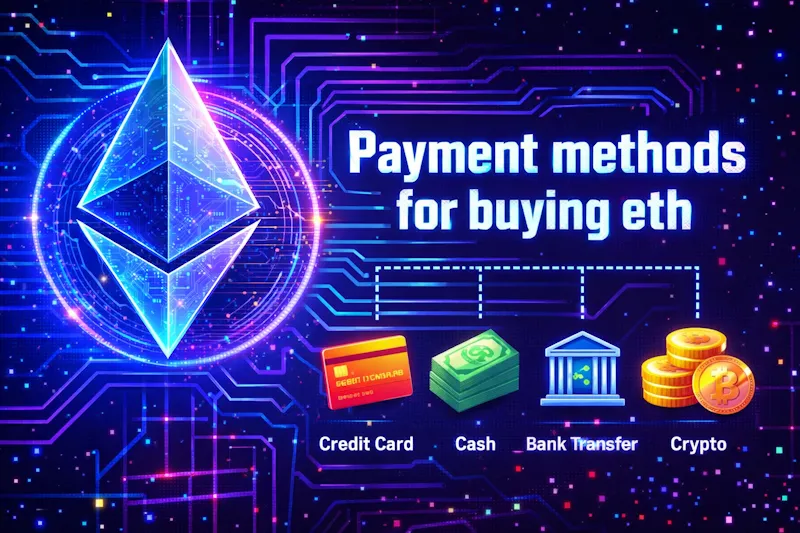
The best payment rail depends on your goal. Some users want speed. Others want lower cost or higher limits. That is why people compare methods before they buy eth online for the first time.
Many readers compare methods before they buy ethereum for the first time. A quick table makes the trade-offs easier to see.
| Payment method | Speed | Fee level | Best use case |
|---|---|---|---|
| Debit card | Fast | Medium to high | First purchase and quick access |
| Credit card | Fast | High | Urgent purchase, if supported |
| Bank transfer | Slow to medium | Low to medium | Larger amount and cost control |
| Apple Pay or Google Pay | Fast | Medium to high | Mobile checkout |
| PayPal or local methods | Mixed | Mixed | Familiar checkout |
The best method is the one that matches your goal and your limits. The cheapest method is not always the fastest one.
How to buy eth with debit card
For beginners, the fastest route is often to buy eth with debit card through a regulated service. The checkout is simple, but card processing costs are often higher than bank transfer costs. Bank approval can also fail because of fraud filters.
The path is usually short. Follow these four actions in order.
- Open the ETH purchase screen
- Enter the amount and card details
- Complete the bank security check
- Review the final quote and confirm
This route fits a quick first purchase. It is convenient, but the total cost is rarely the lowest one.
How to buy ethereum with credit card
People search how to buy ethereum with credit card because the path looks familiar. In practice, availability depends on country rules, issuer policy, and platform support. Some platforms also restrict users who want to buy eth with credit card.
Before payment, check these points carefully. They affect approval, cost, and final settlement.
- Whether the platform accepts credit cards
- Whether your bank allows crypto transactions
- Whether extra issuer fees may apply
- Whether the full quote shows all charges
That check matters whenever you buy eth with credit card. It also explains why how to buy ethereum with credit card is not answered the same way on every platform.
Expert comment: Melinda Opperman, President at Springboard Nonprofit Consumer Credit Management
As noted in this analysis on buying crypto with a credit card, Melinda Opperman warns that even a promotional low-rate credit card does not remove the core risk of using debt to buy crypto. Her point is simple: the investment would need to rise fast enough before the introductory period ends, otherwise the buyer may be left with expensive debt on a volatile asset. This comment fits the section because it explains why convenience can become a cost problem.
Bank transfer and local payment methods
Bank transfer often fits users who care more about cost than speed. Local methods can also work well, especially when they match normal banking habits. Mobile wallets and wallet-based checkouts are convenient, but pricing varies by provider.
This comparison shows the usual pattern. The exact result still depends on the platform and the country.
| Method | Availability | Speed | Usually cheaper or pricier |
|---|---|---|---|
| Bank transfer | Broad where supported | Hours to days | Usually cheaper |
| SEPA or ACH type rail | Regional | Same day to 2 days | Usually cheaper |
| Apple Pay | Platform and device dependent | Minutes | Usually pricier |
| Google Pay | Platform and device dependent | Minutes | Usually pricier |
| PayPal | Country and platform dependent | Minutes to hours | Mixed |
| Local bank or wallet method | Country-specific | Minutes to 1 day | Mixed |
For larger orders, transfer often wins on cost. For fast small orders, card or mobile checkout may feel easier.
Fees, limits, and the final purchase price
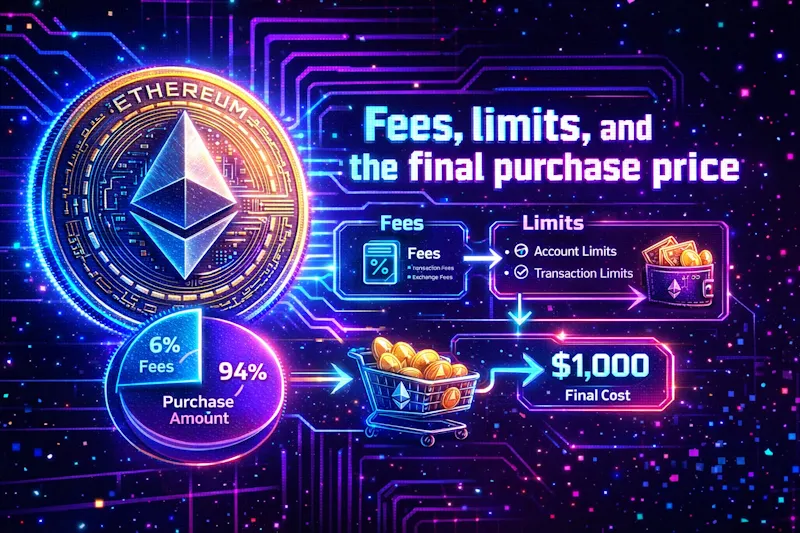
Cost is not just one line on the screen. Trading fee, spread, deposit fee, withdrawal fee, and network fee all change the result. When you buy ethereum, the payment total and the ETH value received are often different.
The table below shows where each cost appears. This helps explain why a simple quote can be misleading.
| Fee type | When it appears | Effect on result |
|---|---|---|
| Trading fee | At execution | Reduces net ETH received |
| Spread | Inside the quote | Raises the effective entry price |
| Card fee | During card payment | Increases total charged |
| Deposit fee | On funding, in some cases | Reduces usable balance |
| Withdrawal fee | When sending out ETH | Reduces remaining balance |
| Network fee | During on-chain transfer | Reduces final received amount |
That is why a 100 payment can produce less than 100 of ETH value. Read the preview twice before you buy eth.
A quoted purchase amount and the ETH you actually receive are not always the same. Fees, spread, payment costs, and later withdrawal costs can reduce the final amount, so every order should be checked on the preview screen before confirmation.
Common mistakes when buying ethereum
Most losses begin with process mistakes, not with market moves. Users click the wrong ticker, ignore total cost, or send coins on the wrong network. A slower routine helps you buy eth with fewer avoidable errors.
This list covers the most common mistakes. Each one is easy to prevent with a short check.
- Buying ETC instead of ETH
- Ignoring spread and focusing only on fee
- Sending on the wrong network
- Storing a seed phrase in cloud storage
- Skipping a small test transfer
- Using a service without external withdrawals
- Forgetting to enable 2FA
Most of these errors happen before or after the order. The buy button itself is rarely the main problem.
Expert comment: Ethereum Foundation security initiative
In the announcement of the Trillion Dollar Security initiative, the Ethereum Foundation explicitly listed wallet UX, blind signing, firmware issues, frontend security, and supply-chain attacks among the areas that still need work. This comment fits the mistakes section because it reminds readers that errors do not start only with the wrong ticker. They often begin with wallet setup, signing habits, and weak device security.
How to buy ethereum classic: why it is not the same as buying eth
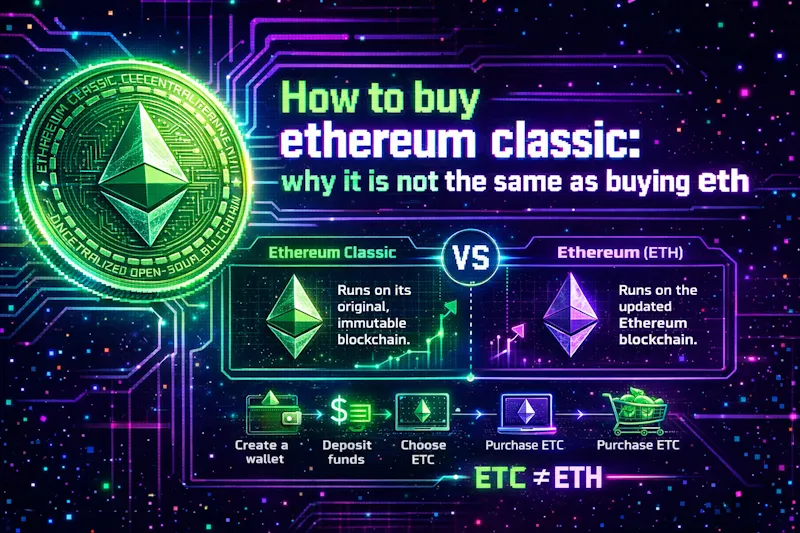
Some searches for how to buy ethereum classic come from confusion, not intent. ETH and ETC are different assets on different chains. If your goal is ETH, never approve a screen that shows ETC.
A quick comparison removes the confusion. The difference is simple and practical.
| Asset | Ticker | What you are buying |
|---|---|---|
| Ethereum | ETH | Native asset used on Ethereum |
| Ethereum Classic | ETC | Different blockchain and different asset |
Treat this as a warning block. It exists to stop the wrong purchase, not to explain market history.
How to buy ethereum etf: when an etf fits better than the coin
People search how to buy ethereum etf when they want price exposure without on-chain use. An ETF is bought through a broker account, not through a crypto wallet. It tracks exposure, but it does not give you spendable ETH.
This matters because the user intent is different. How to buy ethereum etf is a brokerage question, while buying ETH is a crypto custody question.
Expert comment: Robert Mitchnick, Head of Digital Assets at BlackRock
In comments discussed by Unchained, Robert Mitchnick described spot Ether ETFs as complements to Bitcoin ETFs rather than substitutes. This works well in this section because it reinforces a key distinction: an ETF is a traditional finance access tool, while direct ETH ownership is a coin purchase with wallet and transfer functionality.
FAQ
Is it safe for beginners to buy ETH on a regulated crypto platform?
Yes, if the service is verified and the full cost is clear. Review fees, withdrawals, and 2FA before you buy ethereum. Start with a small order and check the order history after payment.
Which payment method is usually cheapest for a larger ETH purchase?
Bank transfer is often cheaper than cards because processing costs are lower. It also fits higher limits better. Use this route if you plan to buy eth on a larger budget and speed is not the main goal.
Can I send ETH to my own wallet right after the purchase clears?
Usually yes, but only if the service supports external withdrawals and your account is verified. Check the network, send a small test first, and confirm the destination wallet supports ETH.
Why does a 100 payment not turn into 100 of ETH value received?
Because the total can include trading fee, spread, card fee, or deposit fee. The payment amount and the asset value are not always the same line. Always read the final preview before confirming.
Do I need a private wallet before my first ETH purchase today?
Not always. Many services can hold the coins after the order. Still, a private wallet helps if you want direct control, later transfers, and a cleaner storage plan from day one.
Should I buy ETH itself or choose an ETF for price exposure instead?
Choose ETH if you want coins you can hold, transfer, or use on-chain. Choose an ETF if you want brokerage exposure without wallet management. The right choice depends on use, not on trend.