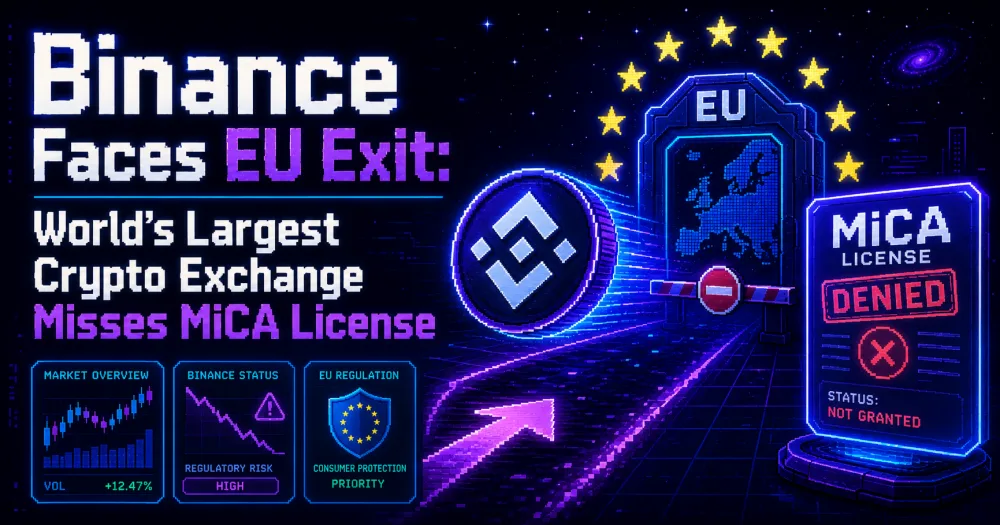
Binance now faces Europe’s toughest challenge yet. Passing muster under MiCA isn’t just paperwork – timing shifts everything.
Europe’s Binance crowd wonders what comes next. Sticking with the app like nothing changed – is that even possible now? A lot rides on one thing: getting a proper MiCA permit, then spreading it through every country involved. Without that green light, access might shrink without warning. Rules shift quietly when regulators step in.
Contents
- 1.Why Binance Is Facing an EU Exit in 2026
- 2.What Is MiCA and Why Does It Matter for Crypto Exchanges?
- 3.Will Binance Leave the European Union Completely?
- 4.How Binance's EU Problems Affect Crypto Investors
- 5.Which Crypto Exchanges Could Benefit From Binance's EU Setback
- 6.How MiCA Is Reshaping the European Crypto Industry
- 7.FAQ
Why Binance Is Facing an EU Exit in 2026
What Happened Between Binance and MiCA
A single license path now covers European crypto exchanges, thanks to MiCA. Earlier, big trading sites used country-specific permits or short-term clearances instead. This patchwork approach has run its course.
Read more: MiCA Shock on July 1: Over 80% of Europe’s Crypto Firms Still Lack a License — What Happens Next?
Now things look shaky for Binance in Europe after its shift toward a full license hit roadblocks. The path it picked met pushback, so no green light arrived by the crucial date. Without that stamp, whispers started – maybe departure is next. Binance pulling out of the EU could strip its permission to run certain financial offerings there. What happens next depends on new rules that block old access paths.
Why Binance Failed to Secure a MiCA License
Trust sits at the center of things. Because regulators examine how decisions are made, they also scrutinize how money moves through the company. Ownership setup matters just as much as who holds assets. How risks are handled draws attention alongside past actions taken by the company. It seems Binance has found itself too big for some rulebooks.
While borders moved slowly, trading didn’t stop. Across Europe, things now shift toward tighter oversight under MiCA. Clarity matters more now – who makes decisions, where money is held. Open access used to be enough, but not anymore. Questions about safety and leadership sit at the center. Rules once stretched thin must now fit closer.
Binance gaining a MiCA permit means access to all EU countries. Big power comes with tight oversight, though. A single shaky green light might ripple through every nation involved.
Timeline of Binance’s Regulatory Challenges in Europe
Weeks passed before the strain showed. For years, Binance shaped its footprint across Europe while nations sharpened their regulations. As limits grew, access narrowed – registrations vanished, offerings shrank, ease faded.
One day, MiCA shifted everything. First came the rules for stablecoins – unexpected yet clear. After that, regulations spread to companies handling digital assets. Time moved on. By 2026, the trial phase held real weight.
A fresh start is what happens here. If there’s no legal path forward, Binance Europe has to either secure a MiCA permit, shift customers to an approved company, or shut down those operations.
| Binance EU Issue | What It Means For Users |
|---|---|
| Missing MiCA License | Binance may face limits on regulated crypto services in the EU. |
| Spot Trading Risk | Some trading pairs or account features could be restricted. |
| Stablecoin Access | MiCA stablecoins rules may affect available tokens and conversions. |
| EUR Payments | Deposits, withdrawals, SEPA, and card payments may face disruption. |
| Account Verification | Users may need stronger KYC checks or updated documents. |
What Is MiCA and Why Does It Matter for Crypto Exchanges?
How MiCA Changed the European Crypto Market
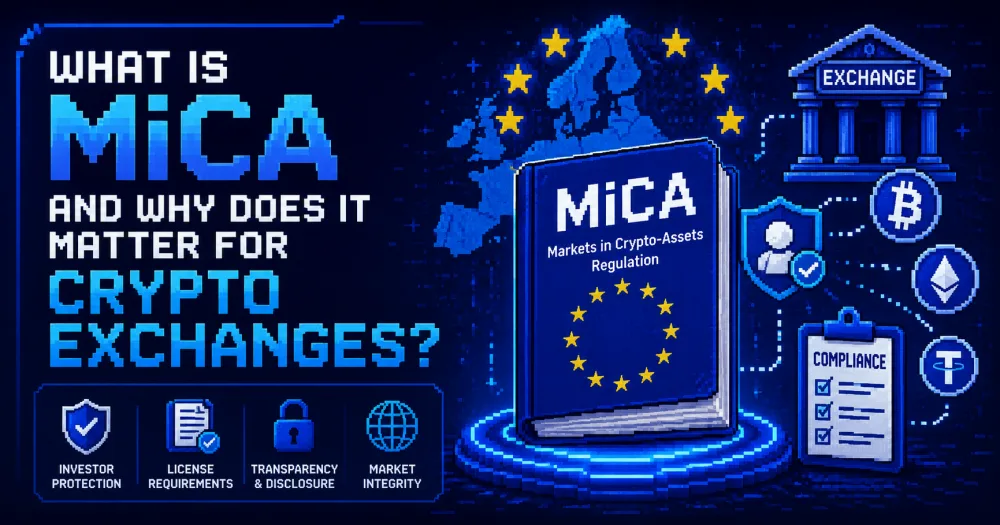
Called MiCA, short for Markets in Crypto Assets, the system swaps scattered country-by-country laws for a single set of standards across Europe. Clearer terms come into play for people using digital currencies under this shift. Platforms where trading happens now face tougher entry conditions than before. Rules tighten, yet simplify, forming one path instead of many.
Europe stops exchanges from playing one country against another under new rules. With a license, firms move freely across borders using passport access. Once grace periods expire, platforms without approval lose entry rights. Rules shift midstream – compliance locks in early.
This isn’t just about filling out forms – MiCA reshapes how companies compete. When smaller players step away, those who meet the rules might grow. Approval could mean space opens up.
Related: The Darkest Days in Crypto History: 5 Market Crashes That Changed the Industry Forever
MiCA Licensing Requirements Explained
Most people think a platform is enough to start trading crypto. Yet across Europe, it takes a far deeper structure to meet rules. Governance needs clear roles, not just ideas on paper. Capital isn’t only about size – it must be planned responsibly. Protecting user funds means systems that work when stress hits.
Handling complaints can’t be an afterthought; process matters daily. Risks pop up fast, so checks need real-time awareness. Following anti-money laundering steps isn’t optional – proof must exist. Each piece fits into one bigger picture: trust built through steady effort.
Out of nowhere, scrutiny landed on leadership quality. Who’s calling the shots matters just as much as old penalties popping up again later. Trouble kicked in once Binance faced Europe’s new rulebook.
Ahead of the pack, an exchange greenlit under MiCA likely carries firmer legal standing compared to one operating under stopgap local laws. Clearer oversight trails behind such approval, shaping how it runs. Customer safeguards tend to be more solid, with less guesswork. Instead of patchwork regulations, there’s structure – where accountability lands matters. Temporary frameworks often leave gaps; this setup aims to close them.
Which Crypto Companies Already Hold MiCA Licenses
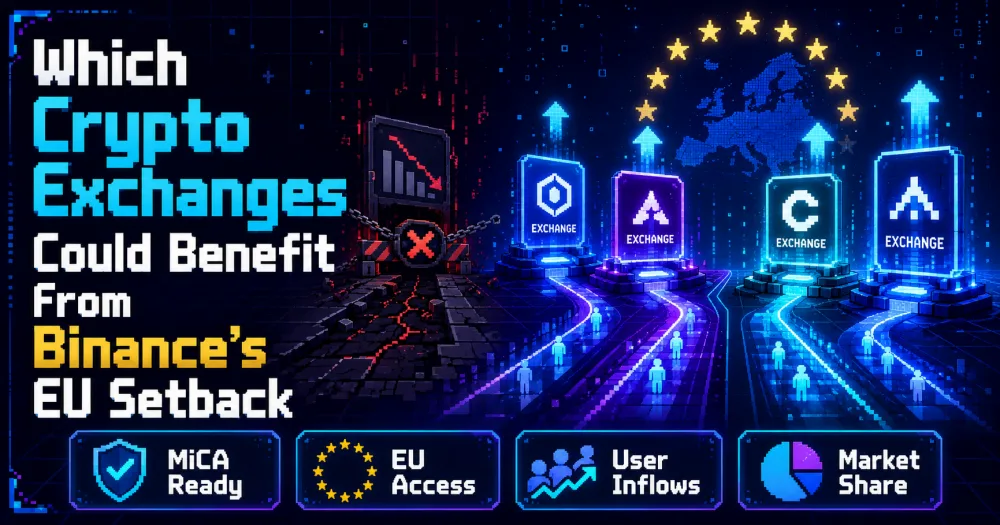
Now that MiCA rules are in place, certain exchanges stand out more clearly. Because of approval, firms like Coinbase, Kraken, and OKX appear more trustworthy to users across Europe. Bitstamp, Crypto.com, and Bitpanda also benefit, being seen as solid local choices. With regulation comes a clearer image – these platforms seem less risky than others. Approval shifts perception quietly but firmly. Being listed among regulated names gives them quite a strength in how they’re viewed.
Fees once led the list – now they share space with rules. Liquidity counts, yet where a platform stands legally shapes its appeal. The variety of assets? Important, but so is who backs it. Help options and tools keep users close, even as trust leans on oversight. For European traders eyeing non-Binance paths, permission isn’t just paperwork – it’s part of what you’re buying.
Will Binance Leave the European Union Completely?
Which Binance Services Could Be Affected
One wrong step could clear Binance out of Europe entirely – though piecemeal cuts seem closer to reality. Trading stocks might stay open while cash loading gets blocked, depending on local rules. Payment cards linked to accounts may stop working without warning. Holding digital assets through their system faces uncertainty under new oversight. Earning interest on holdings might vanish in some countries but remain in others.
Stablecoins like BUSD could lose support where regulators frown hardest. Futures and leveraged bets may face tighter limits than simpler trades. Most concern comes from being locked out of official trading platforms. Should no approved company step in, Binance’s operations across Europe might slow down, shift elsewhere, stop new deposits, or allow only exits.
One moment things work fine, then, without warning, some parts fail. Official messages often show what stays online, so checking them makes sense. Not every service drops together, yet relying on luck isn’t smart. Early reading helps avoid surprises later.
Countries Where Binance Users May See Changes
Out in the open now – changes might show up where Binance once worked under local deals. Places like France, Italy, or Spain might handle things differently on the ground. Germany, Poland, and the Netherlands are included. Each is stepping their own way.
One reason Binance Europe struggles across the region? MiCA targets those inconsistent local rules. Either a company holds a license that works everywhere, or it lacks one entirely. So, trouble in a single nation becomes an EU-wide halt. Across Europe, Binance users might get messages one nation at a time. Though laws come from the continent, how things are handled could stay close to home.
Related: Crypto Exchange Battle 2026: Binance vs Bybit — Where Do Traders Prefer to Trade?
What Existing EU Customers Should Expect
One thing users might notice is earlier warnings from Binance ahead of big updates. Changes could involve how you pull funds, active trades, local currency holdings, tasks waiting for completion, ID checks, or limits on certain tools.
What matters most? Keeping hold of your assets. Check what’s moving out – look at withdrawal records. Bank information needs a second glance, too. Open trades deserve attention, one by one. Futures positions still active? Those count just as much.
Funds won’t disappear if Binance exits Europe. Instead, a structured handover kicks in under local laws. Access stays key – know your login paths. Paper trails matter just as much when shifts happen. Try keeping another platform ready, quietly waiting.
How Binance’s EU Problems Affect Crypto Investors
Spot Trading, Futures, and Stablecoin Access
Most people buying crypto care about spot trading first. Should Binance lack that option under MiCA rules, traders might shift where they trade. Not every platform will qualify, so movement could follow access.
Futures trading brings extra complexity. For plenty of Europeans, tight rules on leverage and derivative tools exist already. If licensing stumbles, getting to those offerings via Binance EU may grow tougher. Pressure builds around stablecoins, too. Rules under MiCA go further than what markets used to follow. Listing choices now demand more caution from exchanges. Meeting EU standards becomes a key factor when picking token issuers.
Deposits, Withdrawals, and EUR Payments
Out here, EUR access tends to show up before rules do. When it comes to deposits or pulling funds, things hinge on staying within bounds. SEPA moves? They run on systems built to follow the line. Card handling shifts only when pathways meet standards. Banking allies link in once checks align.
Start by checking your cash amounts now. Try moving a little money out first – see how it goes.
When things look right, shift bigger amounts later. Write down each time you add funds. Track every trade as it matters. Save copies of reports from the platform. Look back at these notes often. Knowing what happened helps later.
Trading pairs aren’t the sole concern with Binance’s MiCA situation. Tied tightly is how digital currency wallets link to banks across Europe.
KYC, Compliance, and Account Verification
Even with MiCA, knowing who customers are remains essential. Verification steps grow more common because of stricter rules. Moving accounts could mean fresh reviews elsewhere. Watching transactions becomes standard practice across services.
Frustration hits some active traders here. Yet this step fits into Europe’s approach to crypto rules. When people seek trusted links to regular money, ways to swap stablecoins safely, plus secure storage, tougher checks come with the territory.
Updating ID papers regularly helps stay ready. When bank details match official records, things move smoothly instead of stalling. Rushing changes while markets jump around tends to backfire badly.
Which Crypto Exchanges Could Benefit From Binance’s EU Setback
Coinbase
One reason Coinbase stands out? Sharp focus. Its path in Europe leans on rules, open disclosures, and strong ties with big financial players. Some cautious investors might see it as a familiar option when shifting away from Binance across the region – costs and available tools aren’t always identical, though. Still, clarity matters more than matching every feature.
Kraken
Among seasoned traders, trust in Kraken runs deep. With spot trading, tools for institutions, secure communications, and strict compliance, it stands apart. Should European Binance customers shift ground, many might choose Kraken – serious enough for pros, yet open to those stepping up.
OKX
Should regulations allow, OKX stands to benefit from users drawn to Binance’s wide reach. Not just size but thoughtful structure shapes its platform appeal. A strong international presence adds weight. Balancing innovation under MiCA rules could tilt the edge firmly in its favor.
Bitstamp
Older than most, Bitstamp keeps things straightforward. Its cautious approach might actually work in its favor today. People looking for the simple buying and selling of coins could lean toward it instead. Access to regular money systems matters too – that’s another box it checks. Rules and oversight? It covers those without fuss.
Crypto.com
One thing stands out about Crypto.com – its name rings a bell with regular users. Cards in hand, people tap into services through an app that feels familiar. Across Europe, footprints already exist, wide and steady. Should Binance pull back there, space opens up quietly. Mainstream use isn’t just possible here – it’s the next step waiting.
| Binance Alternatives In Europe | Why They Could Benefit |
|---|---|
| Coinbase | Strong regulatory positioning and mainstream brand trust. |
| Kraken | Popular with experienced traders and security-focused users. |
| OKX | Broad product range and strong exchange-style interface. |
| Bitstamp | Simple, established option for spot trading and fiat access. |
| Crypto.com | Consumer-friendly app, cards, and wide European visibility. |
How MiCA Is Reshaping the European Crypto Industry
Winners and Losers Under the New Rules
Firms ahead of the curve saw rules as groundwork long before dates loomed. Money flowed into lawyers, oversight systems, record keeping, internal checks, plus regional offices.
Out of luck? Those built on size alone, dodgy overseas setups, or waiting for sluggish government moves. Approved under MiCA, certain exchanges sidestep old banking hurdles, inch toward big money, and attract careful individual traders.
Across Europe, tighter oversight of cryptocurrency takes priority over unchecked trading growth. Progress still happens – yet now within boundaries set by regulators.
Why Regulatory Compliance Is Becoming a Competitive Advantage
Years passed with traders weighing exchange choices through costs, available coins, market depth, one perk after another. By 2026, though, having a MiCA license starts shaping reputations.
Yet compliance tends to slow products down, though risks across platforms drop at the same time. When an exchange follows rules, bank talks become possible, big clients may join, and trust holds steady even when markets wobble.
Binance falling short under MiCA isn’t just their problem. Should the biggest platform fail in Europe, then staying licensed becomes a priority – not an afterthought – for any firm dealing in crypto.
Other Exchanges May Face Similar Challenges
Pressure isn’t just on Binance – others could feel it too. When the grace period ends, access might shrink for any trading site missing MiCA approval.
Out at sea, the little rigs feel it most. Hitting pause on new EU signups could be one move. Pulling back to just cash-out options might happen elsewhere. Teaming up with authorized operators is another path some take.
No platform is safe just because it has lots of tokens. What matters now? Staying within the law. Across Europe, crypto trading spots face tougher rules. Survival beats selection. A license means more than a long list. Being allowed to operate shifts the game. Not every site will make it through. Rules reshape who wins.
FAQ
Is Binance banned in Europe?
It’s wrong to say Binance got banned in Europe. What really matters is permission to operate. If Binance lacks an approved MiCA license by the cutoff date, providing controlled digital asset services to users in the EU could stop. Not allowed means not possible.
H3: Can Europeans Still Use Binance?
One way or another, some folks in Europe might get into their accounts while things shift around. Still, what works where depends on the nation, the service, and how the account is set up. Official updates are worth watching – counting on usual access could backfire.
What Happens to Binance Accounts in the EU?
Withdrawals only might kick in for some accounts. Product access could shrink overnight instead. Migration notices can appear without warning, too. What actually happens ties back to how Binance lines up with regional laws. Local rules weigh heavily on the final call.
Which Exchanges Are MiCA-Compliant?
Among those following MiCA rules are platforms like Coinbase, Kraken, OKX – though which ones apply can shift based on region and registered office. Before sending funds, check what license each one holds now.
Is MiCA Good or Bad for Crypto?
Most people like MiCA because it makes rules clearer, and also helps protect users. Some platforms struggle now since they used to work under looser oversight. Knowing exactly who can operate across Europe gives investors a solid reference point.