Out here, tokenized government debt acts like maturity in a space full of noise. No wild gains promised. Not chasing free tokens or viral coins. Instead, think familiar assets – U.S. Treasury paper – turned into digital pieces. Slide those onto blockchains. Then watch how fast they shift hands. Settlement speeds up. Tracking gets simpler. Movement feels native to this world, even if the asset started elsewhere.
Not everything shiny is safe. These digital versions mix old and new. Inside, there’s still a regular bond doing the work. Wrapped around it: code, promises, middlemen, rules – maybe even an algorithm running loose. See clearly what backs it. Then look at how it runs. One piece without the other gives half the picture.
Related: Why Is Crypto Crashing? Bitcoin Falls Below $70K After Strategy’s First BTC Sale in Four Years
Contents
- What Are Tokenized Treasuries and Why They Matter in 2026
- Why Investors Are Rotating Into Tokenized Treasuries
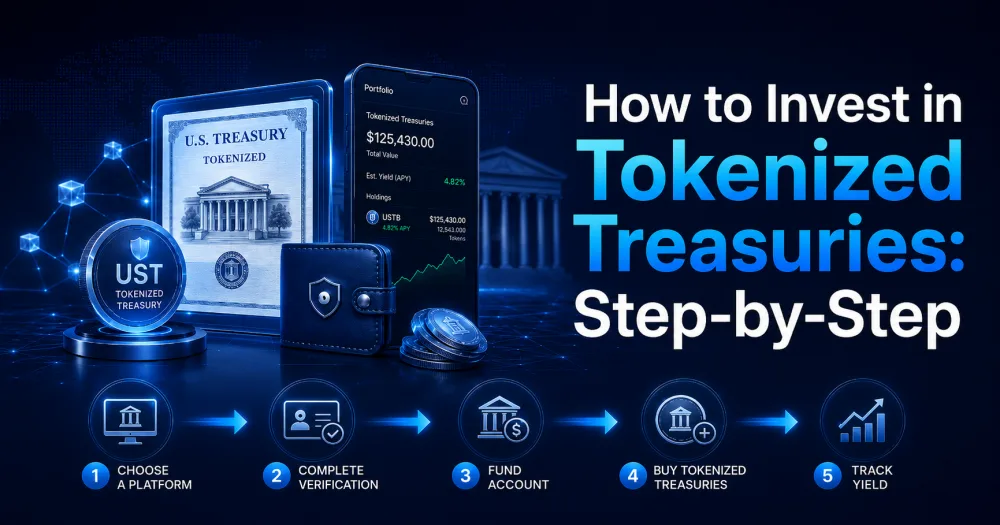
- Step-by-Step: How to Invest in Tokenized Treasuries
- Where Tokenized Treasuries Are Actually Traded
- Risks to Understand Before Investing in RWA
- Tokenized Treasuries vs Traditional Bonds vs Stablecoins
- What’s Driving Demand for Tokenized Treasury Products Right Now
- FAQ
What Are Tokenized Treasuries and Why They Matter in 2026
US Treasuries Moving On-Chain Explained Simply
Most of the time, what sits in your account isn’t a real Treasury bill. It’s a digital placeholder standing in for a slice of U.S. government debt. These pieces often track short-term bills, treasury pools, or money market holdings. Think of it like a ticket backed by one of those assets. The platform runs things issues each token as proof of ownership. Not everyone keeps the physical paper – few actually do.
How Tokenization Connects Traditional Finance and Crypto
Out of old-school finance come the pieces that hold value – custody services, trading desks, record keepers, oversight layers. Running alongside, crypto handles how things settle – digital vaults, self-running agreements, instant token moves, open-all-hours exchanges. Linking them is tokenizing assets; suddenly, ownership slips more easily between systems than standard fund units do, yet stays clearer than wild decentralized returns. The middle ground begins here.
Why Institutional Capital Is Starting to Pay Attention
Tokenization matters to institutions since it cuts delays in settling trades while speeding up how fast collateral moves around. A smoother process also lets them handle cash flows with code-like precision.
When backed by the Treasury, digital tokens might serve funds, trading teams, decentralized groups, or financial tech systems as reserves instead of traditional holdings. These assets still operate within digital markets, yet act like trusted backing pieces. Their role shifts depending on need – settlement tool today, security tomorrow.
What Makes Tokenized Bonds Different from Stablecoins
Most stablecoins work like cash machines. Instead, treasury tokens act more like tiny shares in government debt. One stays glued to one dollar. Meanwhile, the other grows using interest payouts or price climbs. Sometimes it changes size automatically, too. This gap shapes who can join, how tax hits apply, where money moves, plus what could go wrong.
Why Investors Are Rotating Into Tokenized Treasuries
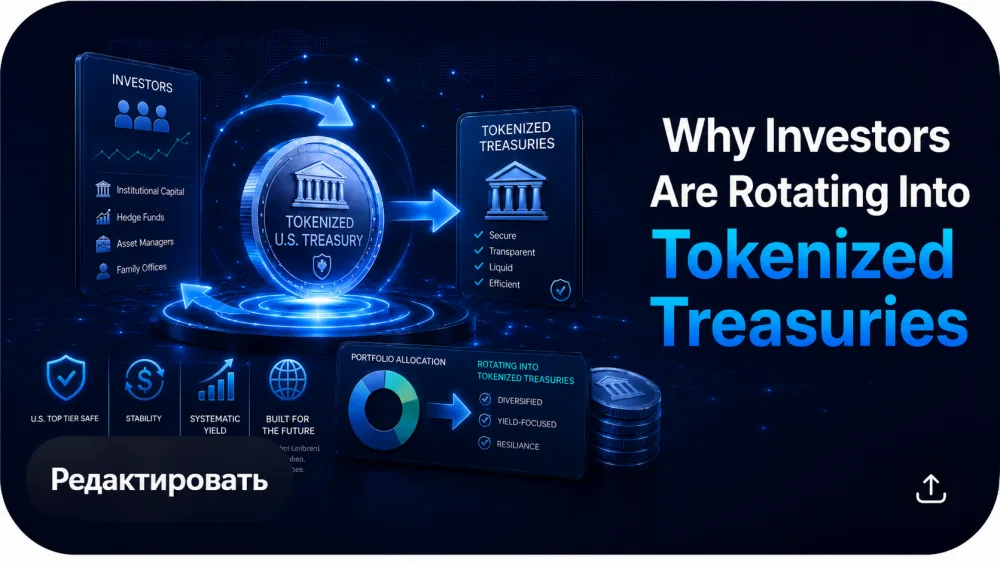
Yield Without Crypto Volatility Exposure
One clear motive behind choosing tokenized treasuries? Earning returns while skipping the rollercoaster of Bitcoin, Ethereum, or alternative crypto values. Those holding funds in stablecoins might shift toward short-duration government debt, grabbing yield rather than letting cash sit untouched.
Access to Government-Backed Returns Inside DeFi
Out there among digital assets now sits something different – government bonds, moved on-chain. Instead of chasing high-risk returns, some choose these tokens for steadier movement over time. One project might park reserves here, while another routes them through borrowing platforms when rules permit. Stability meets programmable money, quietly slotting into strategies without fanfare.
Related: What Is a Bear Market and Why Is Crypto Crashing?
24/7 Settlement vs Traditional Bond Markets
Weekends keep turning, even when old systems stay shut. Bond markets may be big, yet stuck in outdated timing and middlemen. Speedier sign-ups, moves, and exits come alive with tokens – if the provider allows. Crypto doesn’t pause Monday through Friday.
Rising Demand During High-Rate Macro Cycles
Should short-term yields climb, folks tend to let go of dormant stablecoins faster. During shaky or flat crypto times, a Treasury-backed digital asset might just sit right – not thrilling like market swings, yet smarter than waiting around. What matters is where money rests when momentum stalls.
Step-by-Step: How to Invest in Tokenized Treasuries
Choosing a Regulated Issuer or DeFi Protocol
Who stands behind it matters more than the interest rate. Good tokenized treasury options lay out their legal setup plainly, along with how assets are held, what reserves exist, who can participate, proof of code checks, and how cashing out works. Find out if the token acts like a piece of a fund, an IOU, a storage receipt, or just mirrors another holding.
Setting Up a Wallet and Completing Verification (KYC Where Required)
Serious platforms often ask for ID checks. Certain ones accept only seasoned investors, high-net-worth individuals, licensed traders, or residents of particular regions. A protected digital vault works best – especially one backed by physical devices when holdings grow. Confirm your identity solely on verified company domains.
Funding Your Account with Fiat or Crypto
Funding shifts based on where you are. Where one issuer takes wire transfers, another might only handle stablecoins. A few DeFi setups enable minting or purchasing straight from your linked wallet. Check the least amount needed before moving funds – also look at which blockchains work, how much gas costs, any charge for cashing out, plus how long it settles.
Selecting Treasury Products by Duration and Yield
Some tokenized US Treasuries act differently from others. Instead of sticking to long-term bonds, a few stick with very short T-bills. One kind mirrors money market fund performance. Another tries hard to keep its net asset value steady. Yield gets built into certain tokens over time. Because duration varies, responses to interest rate changes differ, too.
Read more: How to Use Crypto Anonymously: Complete Guide
Buying Tokens and Tracking Yield Distribution
Once verified and funded, grabbing what you want often involves signing up for the service, creating the digital token, or making a buy using a trusted platform. Balance checks follow along with watching how much each share is worth, plus keeping tabs on profit style. Payouts might show up every day, drop once a month, adjust supply automatically, or build slowly as prices climb.
Redeeming or Exiting Positions Through Secondary Markets
Getting out is just as key as getting in. Once you’re ready, go back to the issuer for payout, shift it to an accepted digital wallet, or find a buyer on a resale platform. Not all government-backed tokens move without limits. Some need approval first, open only at certain times, or ask for a base amount before acting.
Table 1: Main ways to access tokenized treasuries
| Access route | How it works | Best for |
|---|---|---|
| Regulated issuer | Investor passes KYC and buys tokenized Treasury exposure directly from the issuer | Institutions and larger investors |
| DeFi protocol | User accesses Treasury-backed yield through a vault, wrapper, or lending market | Crypto-native users |
| Centralized exchange | Platform offers RWA or Treasury-style products inside a custodial account | Beginners who want simpler access |
| Secondary market | Investor buys or sells approved Treasury tokens from other users or market makers | Users who need flexible entry and exit |
Where Tokenized Treasuries Are Actually Traded
Institutional Platforms Issuing Tokenized Bonds
Some platforms bring together fund operators, secure holders, and those who manage ownership records, yet only allow access to approved participants. These spaces host plenty of digital versions of cash-like funds backed by government debt. Using them seems closer to signing up for an online investment product instead of jumping into decentralized finance experiments.
DeFi Protocols Offering Treasury-Backed Yield Products
One way DeFi opens doors is through plug-and-play pieces. Instead of just holding Treasury tokens, apps might bundle them up, loan them out, stash them inside automated lockboxes, or even stake them as backing for new deals. That added step brings handy tricks – yet slips in code flaws, control hiccups, and system snags, too.
Centralized Exchanges Expanding into RWA Assets
Most people just want an easy way to earn returns. So now big trading platforms start offering real-world assets. Getting in could feel smoother without managing a wallet yourself. Yet handing that over shifts who really holds the keys. When the platform keeps the asset, your grip on the token gets looser.
Differences in Liquidity Between Platforms
Hidden challenges lurk behind shiny numbers. Big funds don’t mean easy trades later on. Look at how much moves each day, how many people hold it, if moving tokens gets blocked, when withdrawals are allowed, who helps keep prices stable – do this before getting into tokenized treasury deals.
Risks to Understand Before Investing in RWA
Smart Contract and Protocol Vulnerabilities
Sometimes a safe base hides behind shaky software. Code runs wild even if what it represents does not. Contracts make promises they cannot keep. Connections between chains snap without warning. Control might fall into the wrong hands. Data feeds lie about value by mistake or design. Tokenized real-world assets made clear: steadiness of the original means little when the digital shell wobbles.
H3: Issuer Default and Custody Structure Risk
When a borrower fails to pay, losses might happen. How assets are held affects who gets paid first.
Ownership setup counts. Where things are held makes a difference. Keeping holdings separate has weight. When trouble hits, clarity on asset ownership becomes key. Control over cashing out shifts the importance. Protection from the collapse of the issuing party cannot be ignored. A digital token alone does not block legal exposure.
Regulatory Fragmentation Across Regions
Across borders, what an investor can do depends on where they are. Rules around taxes, securities, and crypto carve out space differently each time. Moving tokens isn’t automatic – laws shape every handoff. Sanctions checks filter entries before approval even begins. Fund access shifts under local policy weight. Redemption paths bend based on legal design. Ownership rights emerge only through layered clearances.
Liquidity Gaps in Secondary Trading Markets
Most real danger? Getting stuck without a quick way out. When exchange is limited to issuer only or approved purchasers, things slow down under pressure – suddenly not so liquid. Digital bonds help in certain situations. Yet when a crisis hits, their worth depends on whether cash-out actually works before it matters.
Related: What Is the Clarity Act and Why Clarity Act News Changing Crypto in 2026
Tokenized Treasuries vs Traditional Bonds vs Stablecoins
Yield Stability vs Crypto-Native Returns
Most people know how regular bonds work. Liquidity moves more quickly with stablecoins. In the middle are live tokenized treasuries. Yield becomes possible without diving into volatile crypto assets. Outpacing aggressive DeFi plays during rallies? Not really their job.
Accessibility and Minimum Investment Barriers
Not every option opens the same way. While certain offerings welcome individual buyers in select regions, a few demand verified credentials or big entry amounts. This means finding tokenized bonds isn’t one-size-fits-all. Pathways shift based on location, accreditation, digital setup, blockchain used, and purchase scale.
Settlement Speed and Capital Efficiency
Capital moves quicker when treasuries are tokenized – that’s the core point. Ownership recorded on a blockchain allows funds to shift hands more smoothly, serve as backing for loans, or plug into systems without delay. When trading relies on collateral, pace matters deeply. Efficiency in using money rises when steps shrink. Speed transforms function, quietly changing what finance can do.
Trust Model Differences (Banks vs Blockchain Protocols)
Brokers, custodians, clearing-houses, and paper trails back old-school bonds. Issuers and cash piles support stablecoins instead. What backs tokenized Treasuries? Everything above – now riding on code and nodes too. Checking safety means looking at the underlying asset, who issued it, where it’s held, how the software runs, which network hosts it, and where it trades.
Table 2: Tokenized treasuries vs stablecoins vs traditional bonds
| Feature | Tokenized treasuries | Stablecoins | Traditional bonds |
|---|---|---|---|
| Main purpose | Earn Treasury-linked yield on-chain | Hold and transfer digital dollars | Hold government debt directly |
| Yield | Usually built into token value or distributions | Usually none for regular users | Paid through coupons or price changes |
| Settlement | Often faster and blockchain-based | Fast on-chain transfers | Slower legacy market settlement |
| Key risk | Issuer, custody, smart contract, liquidity | Reserve, issuer, depeg risk | Rate, broker, liquidity, custody risk |
| Best use case | Low-volatility yield inside crypto portfolios | Payments and trading liquidity | Long-term fixed-income allocation |
What’s Driving Demand for Tokenized Treasury Products Right Now
Search for Low-Risk Yield in Crypto Portfolios
Tired of chasing returns built on token prints, borrowed money, or hidden moves? Some see clearer ground now. Government bonds, turned into tokens, pay interest you can touch. Digital paths carry it straight through. Heavy in stablecoins? This shifts something quiet but deep.
Institutional Adoption of Real-World Assets (RWA)
Off-chain value meets blockchain trading through real-world asset tokens – a single-line picture. Since everyone already knows them, government bonds fit right in, thanks to their fluid movement across financial systems. What shifts is how they move, not what’s moving. Their role stays firm, even as the path underneath transforms.
H3: Integration into DeFi Lending and Collateral Systems
Growth shifts toward collateral next. Should Treasury tokens work securely in lending pools, margin setups, stablecoin backing, or group funds, they turn into backbone pieces instead of just another asset bet. This shift makes digital vaults start to matter more. Interesting things happen when that flips.
Macro Environment Pushing Capital into Safe Yield Instruments
Most folks start wondering about parked money once rates climb. Cash suddenly feels less alone when options pop up. Why leave dollars doing nothing? That is where tokenized Treasuries step in – built for those already living in crypto. Even if yields shrink later, the setup sticks around. Falling numbers do not erase what was built.
FAQ
What Are Tokenized Treasuries?
These tokens run on blockchains. Backed by US Treasury bills, they reflect value from government debt instruments. Some mirror funds target Treasuries instead. Exposure comes through digital forms tied to those assets. Not physical securities – just tokenized versions living online.
How Do Tokenized Treasuries Work?
A single entity keeps real-world property inside a trust, bank, or secure storage – after that, digital markers are created matching stakes, rights, or title entries. Each piece ties back to what’s actually held off-chain.
How to Invest in Tokenized Treasuries?
Start off by picking a trustworthy site. Once there, go through the check process they require. Put money in using regular currency or digital coins. Look at what earns how much over time before deciding. Pick one that fits your plan for how long you want it to be active. Get the token once everything lines up. Know exactly how getting value back works when it ends.
Can Retail Investors Buy Tokenized Treasuries?
Occasionally. It hinges on who issues it, what the product is, where you are, plus how investors are categorized. Plenty of options still aren’t available.
Could tokens backed by government debt carry less risk than digital dollars tied to assets? Maybe safety hides where trust meets real value, yet questions linger just beneath the surface.
Only sometimes. Clearer returns might come through, yet extra layers appear – securities tied up, storage concerns, code that could fail, shifting rules, markets drying out.
Biggest danger lurking around? That’s what most people overlook without even realizing it.
What matters most? Not just returns. When pressure hits, it’s about how fast money can move. Speed wins when markets freeze.
Tokenized Treasury Yields Guaranteed?
Fund performance shifts when costs rise. Assets underneath might weaken. Interest adjustments play a role, too. Terms set by the provider matter just as much. Liquidity in trading spaces adds another layer. Each piece moves value differently.
This Is Not Financial Advice
This guide about tokenized treasuries exists to inform. Check original filings, talk to a qualified advisor, and only then decide where to put money.