Paxos’s subsidiary is the first company to receive this registration from the US SEC.
The US Securities and Exchange Commission (SEC) has officially registered Paxos Securities Settlement Company, a subsidiary of Paxos, as a clearing agency. This is a historic event: Paxos has become the first blockchain-focused company in the US to receive this regulatory status.
Hot topic: Bitcoin Whales Stop Buying as BTC Price Slides Below $74K
What Does SEC Registration Give Paxos?
Paxos can now act as a central counterparty and officially provide clearing and settlement services for securities transactions. This opens the door for banks, brokers, and institutional players to integrate blockchain infrastructure into traditional financial markets.
Paxos co-founder and CEO Charles Cascarilla noted that the company has been working toward this result for seven years. Since 2019, the project operated under a no-action letter from the SEC. Since February 2020, it has been in a pilot mode, daily processing US stock trades for large financial institutions. Testing confirmed the possibility of T+0 settlement, reduced costs, and lower operational risks.
Read more: What Is America 250 Coin? Why This “Patriotic Token” Is Going Viral in Crypto Markets
Strategic Significance for Paxos
The registration removes the “experimental” status and allows Paxos to scale its service for a wide range of partners working with asset tokenization and digital securities. The company’s clients already include PayPal, Interactive Brokers, Mastercard, and Mercado Libre.
Paxos is also known as a stablecoin issuer, including PayPal USD and Global Dollar.
Context
The SEC’s decision is an important signal of the gradual integration of blockchain technology into the regulated US financial system. Paxos previously went through a difficult period. In 2023, the SEC planned to file a case over its BUSD stablecoin, but in 2024, it closed the investigation without sanctions.
Experts believe Paxos’s registration could become a catalyst for further development of institutional real-world asset tokenization and accelerate blockchain adoption by traditional financial players.
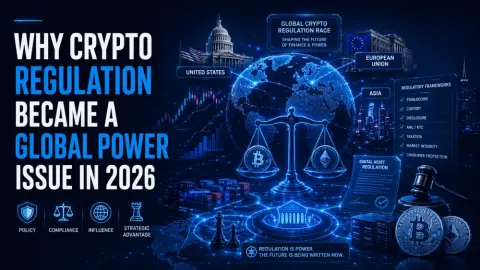
Learn more: Why Crypto Regulation Became a Global Power Issue in 2026