Safe launched Safenet, a protocol that lets SAFE token holders stake to help secure transactions on its smart contract wallets.
Safe, the smart contract wallet provider formerly known as Gnosis Safe, has launched Safenet, a decentralized transaction security protocol that checks wallet transactions before execution.
In a Wednesday blog post, April 1, the company said SAFE token holders can now delegate tokens to six genesis validators and, pending SafeDAO approval, earn staking rewards for helping secure the network. The team said:
“The network is designed to secure all value processed through Safe, a protocol that has processed over USD $1 trillion in cumulative transfers.”
The Safe Foundation, which supports the Safe ecosystem, said in a blog post that the feature is designed to reduce risks such as phishing and unauthorized code execution. The project also plans to introduce economic incentives and penalties for misbehaving validators in a future update, though no timeframe was given.
Richard Meissner, co-founder of Safe, said attackers have frequently taken advantage of the gap between what users sign and what they intend, and with Safenet the team aims to close that gap “at the protocol level.”
What the Update Means for SAFE Token
SAFE has until now been used primarily as a governance token for SafeDAO, where holders vote on funding and protocol changes.
Safenet represents the first economic utility for the token beyond governance. Delegators can use a built‑in interface to back validators, which must stake at least 3.5 million SAFE each to participate, the blog post reads.
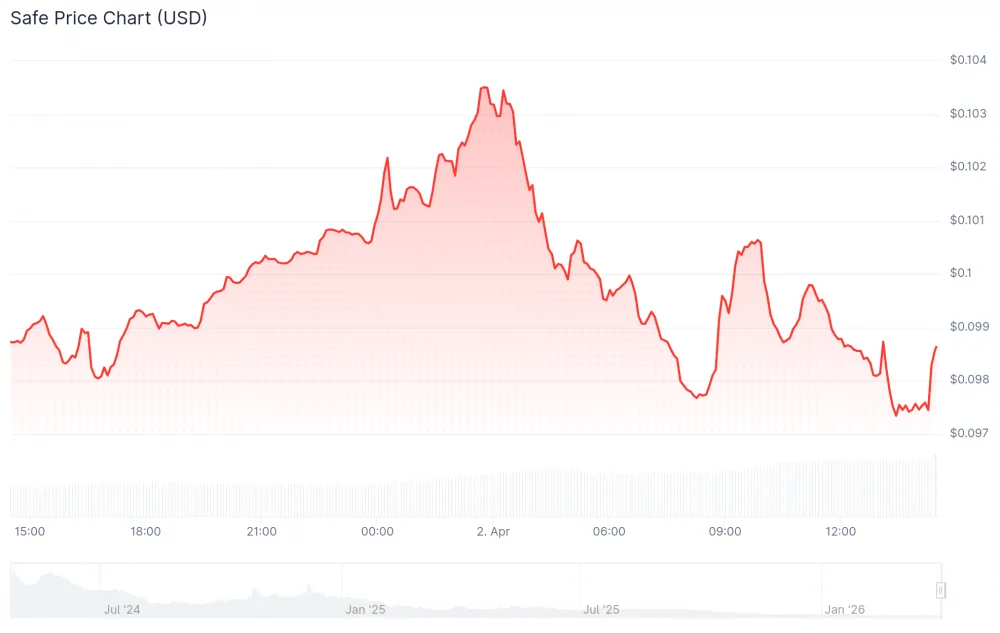
Despite the news, the price of the SAFE token has barely changed, trading down 0.1% on the day, per CoinGecko.
The focus on on‑chain security comes after the February 2025 Bybit exploit, in which attackers manipulated the Safe{Wallet} web interface used to approve transactions from Bybit’s multisignature wallet.
According to an analysis by Curvegrid, hackers gained access to the production Safe{Wallet} UI running on Amazon Web Services and swapped out the interface so that signers unknowingly approved a malicious upgrade to the multisig contract, letting the attacker drain over $1.46 billion in assets.
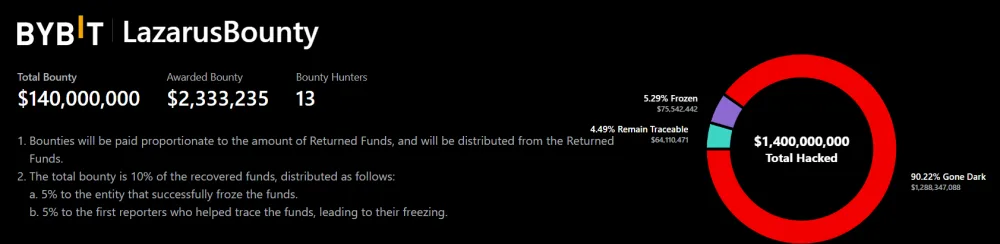
Data from LazarusBounty, a tracking platform launched by Bybit to monitor stolen funds, shows that over 90% of the assets from the February 2025 hack has gone dark and weren’t recovered.