For most people, a bitcoin wallet is a key manager, not a place where BTC▲$77,666.00 files sit. Keys prove permission to spend, while the blockchain records balances. Many newcomers type what is a bitcoin wallet and expect a download that holds coins. This article explains wallet types, hot versus cold use, and practical selection.
If you live in the US or Europe, banking rails and compliance checks can change how you fund accounts. A personal best bitcoin wallet choice depends on spending frequency, savings size, and who needs access. Local consumer protections also differ, so recovery steps can involve extra verification and waiting periods.
Disclaimer: This article is for education only and does not provide financial, legal, or tax advice. Crypto assets carry risks, including loss of access due to mistakes, fraud, or technical failures. Always verify local rules in the US and Europe and consider professional advice for your situation.

Contents
What is a bitcoin wallet
In simple terms, a bitcoin wallet creates, stores, and uses private keys to sign transactions. Public data is used to derive a receiving address, often called a bitcoin wallet address, for inbound payments. When keys stay with you, control stays with you, even if devices change. When a service holds keys, access depends on that service rules.
People often ask what is a bitcoin wallet when they notice that exchanges can freeze withdrawals. A wallet that you control reduces that platform risk, but it adds backup responsibility. A small practice run with test amounts makes the difference between calm use and panic. A written checklist helps when you set up a new device.
Daniel Brooks, Blockchain Forensics Analyst. Ownership is practical, not philosophical: whoever controls the private key can move funds. Exchanges look like wallets, but they are accounts with internal ledgers and policies. For self custody, the address is public, while the signing key stays secret and local.
How a bitcoin wallet works
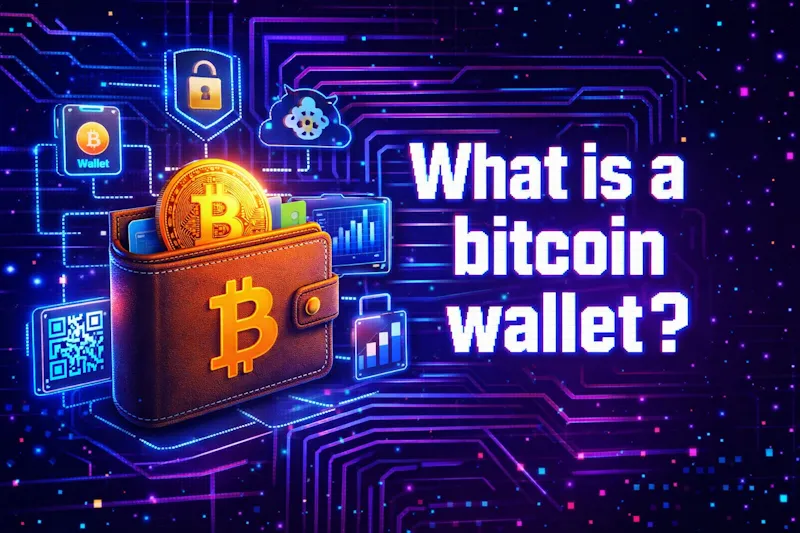
A practical wallet bitcoin flow starts with key generation, then address creation, then signing. A simple bitcoin wallet screen will show send, receive, and fee settings. A wallet never tells the network to move coins by itself, it only signs. Nodes validate the signature and check that inputs were not spent before. Miners include the transaction based on fee rate and block space.
- The wallet selects unspent outputs to spend
- The wallet builds a transaction with inputs and outputs
- The private key signs the transaction locally
- The network confirms it as blocks are added
To monitor progress, many users check a bitcoin wallet tracker view inside the app or on a block explorer. Some people also try a bitcoin wallet lookup service to see whether an address is tagged as exchange or scam related. Tag data can be incomplete, so treat it as a hint, not proof.
Sofia Petrovic, Payments Systems Engineer. The wallet builds a transaction, signs it, and broadcasts it, while the network decides when it confirms. Fee choice influences how quickly miners include it during congestion. A good workflow includes verifying the destination address and using small tests before larger sends.
Types of bitcoin wallets
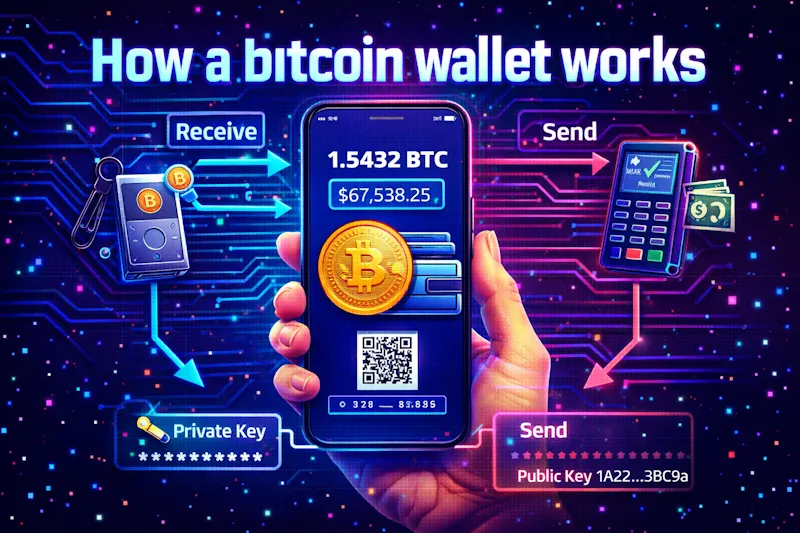
A day to day btc wallet can be online, on desktop, on a phone, on hardware, or on paper. A second btc wallet can serve for invoices. Each type changes threat exposure and recovery steps. Choosing a bitcoin wallet is mostly choosing a recovery method. In beginner searches, what is a btc wallet and what is btc wallet both appear often. A simple mental model is to keep a small spending balance and a separate savings balance. That split helps when a device is lost or an account is reviewed.
Bitcoin wallet online
An online bitcoin wallet usually means access through a browser account at a provider. It can be convenient when you need fast setup and cross device access. For small balances, an online bitcoin wallet can work during travel, but treat it as spending money only. The downside is that policy changes and account reviews can block withdrawals. Many providers also connect to local bank rails.
- Pros – fast onboarding, access from any laptop, password based recovery
- Cons – account takeover risk, service downtime, withdrawal limits
In Europe, IBAN and SEPA support can make funding easier. In the US, ACH support can be fast, but holds can still apply after deposits. Card funding can be instant, yet chargeback rules can trigger extra monitoring in some accounts. Bank transfer limits can also change after unusual activity. Weekend processing can slow settlement, so plan deposits before travel days.
Ethan Rivera, Fintech Compliance Officer. Online accounts are convenient, but access can depend on risk controls, regional funding rails, and identity checks. In the US, ACH holds can delay withdrawals, while in Europe SEPA timing can vary by bank. Keeping only a spend balance limits disruption during reviews.
Desktop btc wallet
A desktop bitcoin wallet stores keys on a computer, often encrypted with a local password. It suits users who prefer a larger screen for verifying amounts and addresses. Some clients can connect to a full node for stronger verification, while others run as light wallets. Malware and phishing remain the main risks, so updates and safe browsing matter.
- Pros – local key control, larger UI, optional full node verification
- Cons – malware risk, disk failure, backup mistakes
A clean device and separate user account reduce exposure. Backups matter more than advanced features. A weekly update routine and basic phishing checks cut many common failure modes. A dedicated browser profile for financial apps can reduce exposure. Avoid copying addresses from chat apps that can be compromised. Use the wallet receive screen as the source of truth.
Claire Nguyen, Incident Response Lead. Desktop wallets fail most often through malware, clipboard hijacking, and insecure backups. A clean OS, limited browser extensions, and separate user accounts reduce exposure. Backups should be offline and periodically restored on a spare device, then wiped, to validate recovery.
Bitcoin wallet app
A daily bitcoin wallet app is built for QR scanning and quick sends. It works well for small payments, travel spending, and regular top ups. Phone loss is the obvious risk, but weak lock screens and unsafe app installs also matter. When a bitcoin wallet sits on a phone, the lock screen becomes part of security. A tested recovery phrase is the main safety net. A spare phone can run a watch only bitcoin wallet app to monitor balances without spending keys.
- Pros – fast payments, QR codes, biometric unlock options
- Cons – theft risk, SIM swap risk, permission abuse
For many travelers, a best bitcoin wallet app is one that locks fast and restores cleanly. In Europe, mobile data roaming can change how often a wallet stays online. In the US, carrier account security reduces SIM swap exposure, which helps mobile wallets. A travel habit of checking balances before leaving home reduces surprises.
Lukas Steiner, Mobile Security Engineer. Phones are reliable if the device is locked, updated, and protected from SIM swap and phishing. Use a strong passcode and disable risky accessibility permissions. Treat the recovery phrase as the real asset, and never enter it into websites or chat links.
Bitcoin hardware wallet
A dedicated bitcoin hardware wallet signs transactions inside a separate device, so private keys do not touch the computer. It suits larger balances and longer holding periods. Setup quality matters because the recovery phrase is the real backup. A second check of the device screen helps prevent address swapping. A simple record of purchase date helps with warranty support.
- Pros – isolated signing, strong savings workflow, clear confirmation step
- Cons – device cost, shipping risks, setup errors
Many users pair hardware for savings with a phone wallet for spending. That division keeps daily risk smaller. It also makes tax and accounting notes easier, since spending and holding are separated. A simple naming rule for wallets reduces confusion over time. A separate notebook page for each wallet helps during audits and restores.
Priya Shah, Hardware Wallet Firmware Engineer. Hardware devices reduce key theft because signing happens inside a separate chip and the seed is generated locally. The critical step is verifying addresses on the device screen, not on the computer. Seed storage should be split across locations and protected.

Bitcoin paper wallet and legacy approaches
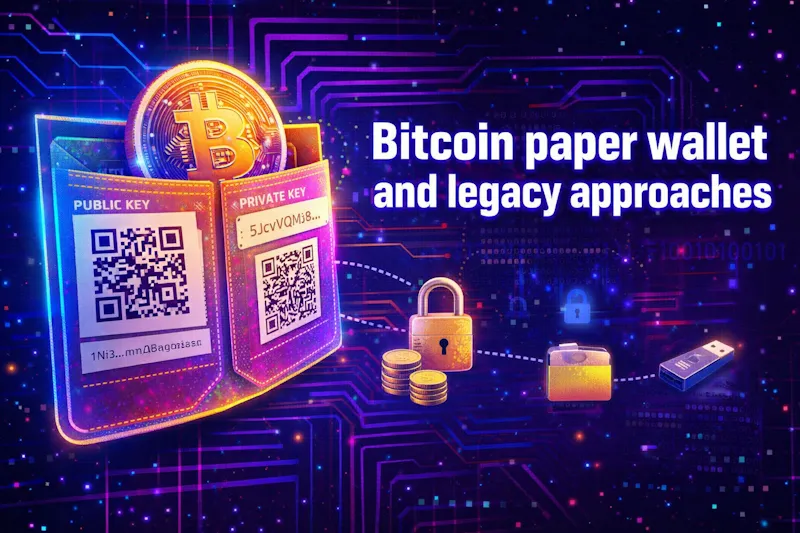
A modern view of a bitcoin paper wallet is that it is offline but fragile. It can fail through bad random generation, printer leaks, and unsafe single use spending. It is also easy to damage with water or heat. For most users, software wallets with offline backups are easier to operate.
- Pros – offline storage in theory, no device needed to store a key
- Cons – high error rate, difficult safe spending, physical damage
If you still use a bitcoin paper wallet, generate keys offline and avoid reusing the same key after a spend. A safer option is a hardware device with a tested restore process. Physical storage needs planning for water, fire, and accidental disposal. A sealed bag and a labeled container reduce accidental loss.
Jonas Lemaire, Cryptography Lecturer. Paper wallets are often unsafe in practice because key generation quality and handling errors dominate the threat model. Reuse, partial spending, and exposure during printing create common failure paths. For most users, modern wallets with offline seed backups are easier to operate safely.
Best bitcoin wallet – comparison table
The phrase best bitcoin wallet is about fit, not status. The table below compares common setups with numbers you can plan around. Costs and times are typical ranges, not promises. A low risk score still requires careful backups and device hygiene. Treat numbers as planning tools, not guarantees. Your actual risk depends on backups, updates, and how often you share screenshots.
| Option | Custody | Upfront cost | Typical setup time | Suggested hot balance | Suggested cold balance | Recovery method | Risk score 1-10 |
|---|---|---|---|---|---|---|---|
| Provider web account | Custodial | $0 | 3-10 min | $20-$500 | $0-$2,000 | Provider reset | 7 |
| Mobile self custody | Non custodial | $0 | 5-15 min | $20-$1,000 | $500-$10,000 | 12-24 word seed | 5 |
| Desktop self custody | Non custodial | $0 | 10-30 min | $0-$500 | $500-$10,000 | Seed + backup file | 6 |
| Hardware device | Non custodial | $60-$250 | 20-60 min | $0-$200 | $2,000-$500,000 | Seed on paper or metal | 3 |
| Offline paper key | Non custodial | $0-$5 | 30-90 min | $0 | $100-$10,000 | Printed key | 8 |
For many households, a best bitcoin wallet setup is two wallets with clear roles. Clear roles reduce rushed decisions during market moves. One person can handle backups, while another verifies large sends. That split reduces single point mistakes. A rehearsal of the restore process once per year keeps knowledge fresh.
A practical best wallet for bitcoin plan uses two layers. Spending stays on a phone, while savings stays on an offline signer. A monthly review of backups prevents silent failures. Write down where backups are stored and who can access them. A second copy in a different building can matter.
Custodial and non custodial: who controls the keys
A custodial account can feel like a free bitcoin wallet because setup is simple, but control stays with the service. For self custody, a wallet for bitcoin holds keys on your device. A non custodial setup keeps keys with you, which changes both safety and responsibility. Some users search for a no kyc bitcoin wallet because they want fewer identity steps, but funding still may require checks. Local rules, sanctions screening, and fraud systems affect custodial access.
| Topic | Custodial model | Non custodial model |
|---|---|---|
| Key control | Keys held by provider | Keys held by user |
| Login | Email, password, 2FA | Local PIN and encryption |
| Recovery | Support process, often ID | Seed phrase restore |
| Limits | Withdrawal limits possible | No platform limits |
| Privacy | Provider collects activity | Depends on usage and on ramps |
| Main failure | Account lock or breach | Seed loss or device compromise |
In Europe, providers often support SEPA and local bank transfers. In the US, providers often support ACH, wire, and debit cards, with varying hold periods. Customer support response time can vary from minutes to days. Plan for holidays that can slow reviews in both regions. Keep enough buffer funds to avoid forced sales during delays.
Alyssa Morgan, Consumer Protection Counsel. Custodial services can help with password resets, but they also impose limits, freezes, and dispute processes. Non custodial setups remove that counterparty risk, yet make the user responsible for backups and inheritance planning. A written recovery plan helps families avoid permanent loss.
Hot wallet bitcoin and bitcoin cold wallet: what is the difference
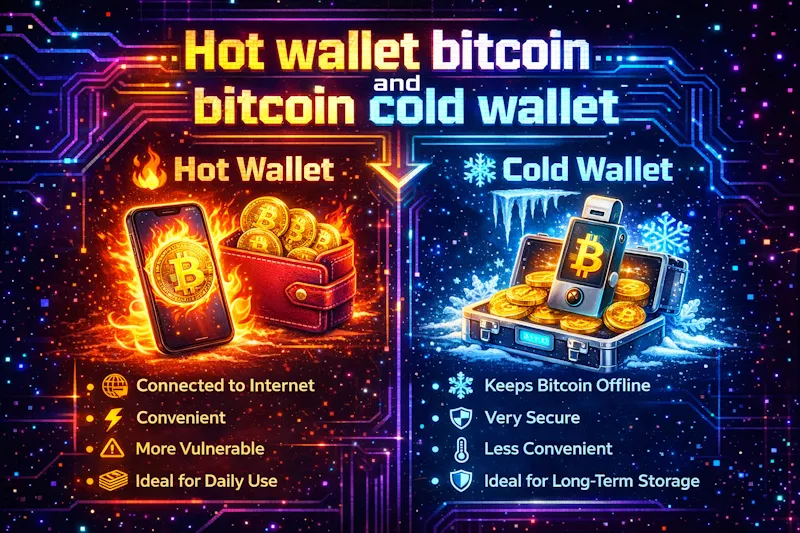
A bitcoin cold wallet keeps keys offline or strongly isolated, which reduces remote attack paths. A hot wallet stays online and prioritizes speed for routine payments. A bitcoin wallet can be hot even when it is non custodial, since it remains connected. A combined setup uses hot funds like cash and cold funds like savings. That approach lowers stress during travel and reduces exposure on work devices.
| Feature | Hot wallet | Cold wallet |
|---|---|---|
| Internet access | Yes | No or isolated |
| Typical balance | $20-$2,000 | $2,000-$500,000 |
| Spend speed | Seconds to minutes | Minutes to hours |
| Update needs | Frequent | Occasional |
| Common tool | Phone or desktop | Hardware or offline signer |
When people describe a btc cold wallet, they usually mean hardware signing plus an offline seed backup. A second bitcoin cold wallet can be a separate device used only for savings. A second btc cold wallet copy can be a backup signer in multisig, not a second seed stored nearby. Separating locations reduces the chance of one incident causing full loss.
How to choose wallet bitcoin for your needs
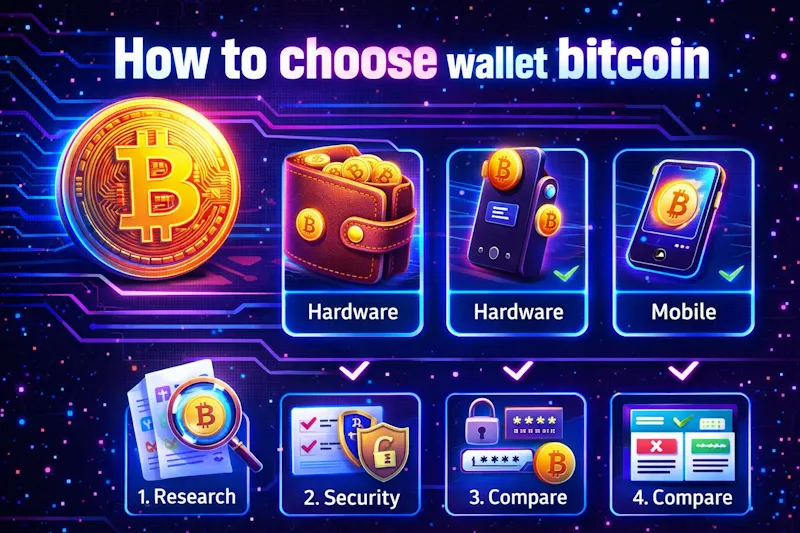
A realistic wallet bitcoin decision starts with how you behave under pressure. If you travel, assume you can lose a phone. If you trade, assume a platform can pause withdrawals. If you save, assume you will forget details unless you write them down. The selection goal is stable recovery, not perfect convenience. Under stress, a best bitcoin wallet is one you can restore quickly.
Choice by scenario
For routine spending, many users prefer a best bitcoin wallet app with QR scanning and fee control. For long holding, a bitcoin cold wallet approach reduces online exposure and limits mistakes. For shared control, multisig can require two approvals, which helps families and small businesses. For gambling use, local law matters, so keep activity separate.
- Daily payments – phone wallet with small balance
- Long term holding – hardware signer and offline backup
- Multi device use – careful seed import with minimal exposure
- Shared control – 2 of 3 multisig keys in separate places
A separate bitcoin gambling wallet can reduce mistakes by isolating balances and addresses. It also helps you set strict limits for entertainment spending. In the US, account funding rules can differ by state, while in Europe, cross border use can add provider checks. Keep records of deposits and withdrawals to reduce disputes.
Selection criteria
A solid best btc wallet checklist starts with key control and restore testing. Fee management matters because fee rate influences confirmation speed. In reviews, the search term wallet bitcoin often appears beside fee control screenshots. Privacy improves when a wallet rotates addresses and avoids address reuse. In shortlists, the tag wallet btc often labels basic comparisons. Some users want Lightning for small payments, but it adds channel management and extra backups. Multisig and passphrases add safety, but they also add failure points.
How to make a bitcoin wallet
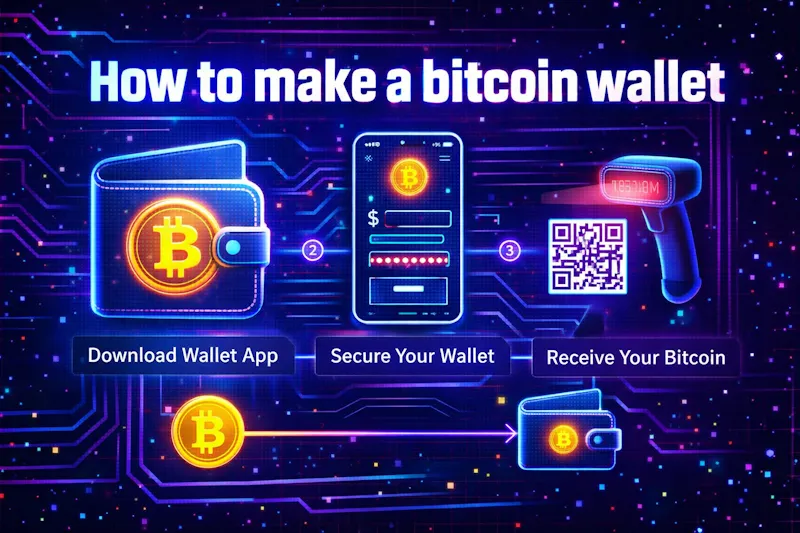
When people search how to make a bitcoin wallet, they usually want a short workflow that reduces error. The steps below fit most phone and desktop tools. Hardware devices follow the same logic, but the seed is created on the device screen. A small test deposit is worth more than reading guides. The goal is repeatable steps that you can follow when you are tired.
- Choose wallet type based on balance and frequency
- Download only from an official source
- Create a new wallet and record the seed words
- Set a PIN or password and secure the device
- Test receive and test send with a small amount
After a test, you can scale the balance in stages. That habit reduces costly mistakes. Keeping notes of fee settings helps you repeat a safe process. Do not rush the first large send. Sleep on decisions if you feel pressure. Many losses happen during urgent messages and fake deadlines. Slow is a safety feature.
Disclaimer: Security steps here are general practices, not a guarantee of safety. Do not share seed phrases, private keys, or remote access with anyone, including people claiming to be support. Test with small amounts first, because transactions can be irreversible and errors can be costly.
Install and create the wallet
A simple way to learn how to open a bitcoin wallet is to start with a phone app and an exchange withdrawal. During setup, the app should show a seed phrase and ask for a confirmation step. Some users prefer an android bitcoin wallet because they can lock down permissions more tightly. Others prefer iOS for device update discipline. Either way, seed handling remains the same.
- Install the app from a verified store listing
- Select create new wallet, not import
- Enable device lock and app PIN
- Generate the first receive screen and copy the address
A clean first transfer of $10-$30 is enough for learning. It also shows how fees change during busy hours. A second test transfer confirms that your backup works under routine use. A slow send with a low fee teaches patience and fee bumping options. Time your test when the network is busy to learn behavior.
Recovery phrase: writing and checking
A durable wallet btc backup is written on paper or metal and stored offline. Cloud notes and screenshots leak through account breaches and malware. A restore test on a spare device confirms that your words are correct. After testing, wipe the spare device to remove traces. A photo of the seed is a common mistake. Physical security is boring, but it prevents many total losses.
- Write each word in order, with numbering
- Store copies in two separate locations
- Never store the seed in email or cloud drives
- Restore on a spare device, then wipe it
If you cross borders often in Europe, plan for hotel room risks and luggage theft. In the US, plan for fire risk and insurance documentation without exposing the seed. A sealed envelope in a safe can be a last resort, not a daily tool. Consider who can reach it if you are away for months.
Protecting the device and the app
A daily bitcoin wallet app stays safer when the phone is updated and locked. Use a strong device passcode and enable auto lock. Avoid installing untrusted apps that request accessibility permissions. Treat any request for your seed as fraud and stop immediately. A short pause before each send prevents many errors. Practice reading addresses on screen, not only copying them.
Bitcoin wallet security
A practical best bitcoin wallet plan uses layers that match your habits. In community threads, the phrase wallet bitcoin often shows up when people share safety checklists. Keep small balances on devices that touch the internet daily. Use a second device or offline signer for savings. Verify the receive address on screen, not in chat logs. If an app suggests exporting keys, pause and review why.
- Prefer app based authenticators over SMS for 2FA
- Keep seed words offline and never type them into websites
- Check addresses character by character on large transfers
- Use separate wallets for separate purposes
A second tracking check can help when you suspect a send failed. It also helps when a provider shows pending status that differs from the blockchain. Screenshots can mislead, so check live data on the network. If the fee is low, consider a fee bump if your wallet supports it. Confirm that your wallet supports RBF or CPFP before you need it.
Wallet recovery and common problems
A calm recovery workflow is easier when you assume devices can fail. If the seed exists, restore and move funds to a new address. If the seed is missing, recovery is usually impossible, since no one can recreate keys. Fee issues and address errors cause many problems, so small test transfers matter. If a bitcoin wallet fails after an update, a restore test avoids panic. Keeping written steps reduces mistakes under stress.
| Problem | Likely cause | First steps | Typical resolution time |
|---|---|---|---|
| Lost phone, seed saved | Device loss | Restore seed on new device | 10-30 min |
| Lost phone, seed missing | No backup | Check paper, metal, offline notes | Often impossible |
| Transaction stuck | Fee too low | Use RBF or CPFP if supported | 10 min-24 h |
| Wrong fee paid | Misread fee units | Compare sats per vB settings | 5-20 min |
| Sent to wrong address | Copy error or malware | Verify address, contact recipient if known | Depends |
| Wallet shows zero | Wrong derivation path | Rescan, check wallet type | 5-60 min |
A third party btc cold wallet device can still be restored with the same seed. That fact is useful, but it also means seed exposure is the main risk. Seed storage is the single point of failure in many setups. A short written plan can guide family members during emergencies. Keep that plan separate from the seed itself.
Marco Bianchi, Customer Support Operations Manager. Most tickets come from seed phrase mistakes, confusion about pending transactions, and fear after sending to the wrong address. Support cannot reverse confirmed transfers, so education matters before the first large payment. Encourage users to document steps and run a restore test early.
FAQ
What does a wallet store?
A bitcoin wallet stores keys and metadata, not coins. The blockchain stores the ledger, while the wallet provides signatures that prove control. If you switch devices, the keys matter, not the old app icon. That is why backups are central to safety.
Is self custody the same as no KYC?
A no kyc bitcoin wallet can exist as software, but buying BTC can still require checks. Privacy depends on where funds come from and how addresses are used. Do not assume that no sign up means no monitoring. Local rules and on ramp policies can still apply.
Can I track a transaction after sending?
A bitcoin wallet tracker view shows confirmations and fee rate. If the wallet supports RBF, you may increase the fee, but you cannot reverse a confirmed payment. A calm approach is to wait for confirmations before delivering goods. For large payments, agree on a confirmation count in advance.
Do I need a hardware device?
A best wallet for bitcoin for larger balances is often an offline signer plus a tested backup. Many people reach that goal with a bitcoin hardware wallet and an offline seed backup. For small balances, phone storage can be reasonable if recovery is solid. Risk is about habits, not only tools.
How can I send BTC to a different wallet?
A practical method for how to send bitcoin to another wallet uses a QR code, a manual address check, and a fee choice. Wait for confirmations before treating a payment as final. If you feel rushed, stop and recheck the address. Most errors happen when people hurry.
Can I get an anonymous wallet?
A true anonymous bitcoin wallet is not guaranteed, since the ledger is public. Privacy tools reduce exposure, but behavior still matters. Avoid address reuse and avoid sharing screenshots of transactions. Consider the legal context before using privacy features.
Are there free options?
A free bitcoin wallet can be open source software, but network fees still apply. A wallet for bitcoin still needs a backup plan, even when the app costs nothing. Free setup does not mean free transfers, since miners are paid by fees. Budget for fees when you plan frequent sends.
What terms will I see in search?
In forums, the phrase wallet bitcoin appears when people ask for app suggestions. You may also see wallet btc when users shorten the term. Another common phrase is btc wallet when people ask about basic setup. Those phrases often point to the same category of tools. Focus on key control, backups, and fee settings.
What is a BTC wallet?
In support chats, people type what is a btc wallet when they mean a tool for managing BTC keys. A similar query, what is btc wallet, usually points to the same concept. A simple answer is that it is a key manager, not a coin container. Learning that point reduces many beginner mistakes.
How do beginners start?
A practical answer to how to get a bitcoin wallet is to pick a self custody app, record the seed, and test a small transfer. Funding can come later through an exchange or a peer transfer. Start small, then scale up with a repeatable process.
Which wallet is best for betting deposits?
For risk control, a best bitcoin wallet for sports betting approach is to use a separate wallet and keep balances small. A dedicated bitcoin gambling wallet can reduce accidental sends from savings wallets. Local rules can differ, so verify what is allowed where you live. Keep entertainment funds separate from long term holdings.
What is the best BTC wallet wording?
In ads and reviews, the phrase best btc wallet is used as marketing. A better approach is to compare recovery steps, fee control, and device hygiene. For long holding, a best btc wallet plan also includes offline backup storage. If a review avoids discussing backups, treat it as incomplete.
Is an Android wallet safe?
Many users pick an android bitcoin wallet because permissions can be managed carefully. Safety still depends on updates, lock screen discipline, and backup storage. Use app installs from official stores and avoid unknown APK sources. Treat the phone as a spending tool, not a vault.
Disclaimer: This content is educational and is not financial advice. Using any bitcoin wallet includes risk, including loss of access through mistakes or fraud. You are responsible for key storage, seed handling, and transaction checks. Follow local rules in the US and Europe, especially when using custodial services. When you see what is a btc wallet or what is BTC wallet, treat it as a cue to slow down and verify sources.