We break down fresh research revealing an unexpected relationship between students and prediction market platforms like Kalshi.
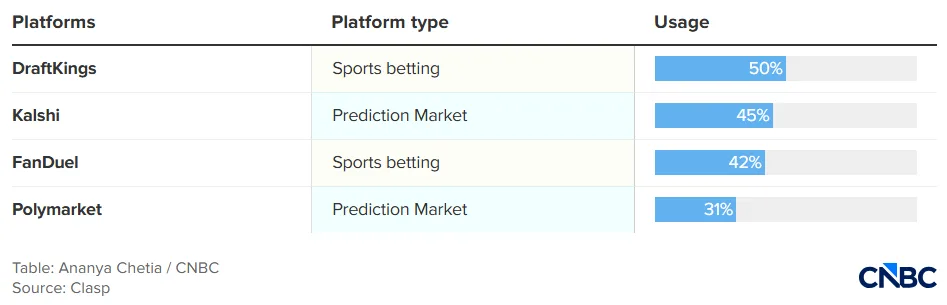
According to a Clasp survey of 1,000 medical students, roughly two-thirds of respondents use prediction market platforms and sportsbooks to fund their education, CNBC reports.
Hot topic: Bitcoin’s Quantum Threat Gets a $5M Galaxy Digital Response
More than 70% visit such platforms at least several times a week. But less than half report consistent positive results. One respondent won more than $50,000; another lost a similar amount. Most earn or lose between $100 and $1,000.
The survey was conducted between June 16 and June 28, 2026. The results suggest students view prediction markets not as entertainment but as a way to cover rising tuition costs.
Contents
‘They’re Budgeting Winnings for Tuition’ — Why Students Turn to Betting
Clasp CEO Tess Michaels said:
“These students aren’t betting for fun. They’re budgeting their winnings for tuition, and most are barely getting by.”
Nearly 70% of respondents started using the platforms to pay for tuition or housing. The main driver is a lack of time and limited opportunities for part-time work in demanding medical programs.
“Time is very valuable in healthcare, and there are different ways to earn extra money. The fastest ways to get cash will probably win out,” Michaels explained.
The survey also found that more than 80% of respondents are women, but men use prediction markets and betting platforms at much higher rates. Nearly half of male students said they use such platforms, compared with about a fifth of women. Beyond betting, 56% rely on other income sources: credit cards, content creation on TikTok, OnlyFans, YouTube, or Substack.
Read more: Top 5 Prediction Markets Compared — Polymarket, Kalshi, Manifold
Why Prediction Market Interest Is Growing Among Students
The Trump administration’s expansion of eligible professional programs increased borrowing limits for some medical fields, including nursing. But pharmaceutical sciences remain excluded. Students who can’t access private loans without a creditworthy cosigner–effectively requiring wealthy parents–are looking for alternatives. Nearly 30% of respondents said they can’t consistently cover monthly expenses.
Michaels noted:
“Graduates need a cosigner for private loans, which effectively means having wealthy parents. If you don’t have wealthy parents, how do you pay for school? Through channels like these.”
Students using prediction markets to pay for education raises questions about these platforms’ social role. On one hand, it shows prediction markets are moving beyond trading and sports betting into everyday life as a financial tool for vulnerable groups. On the other, the risks are high: most students don’t see consistent profits, and relying on betting to cover basic expenses can worsen their financial situation.
Learn more: Prediction Markets vs Sports Betting — Key Differences