Right now, top Solana DEXs are not just basic swap spots anymore. By 2026, platforms like Jupiter, Raydium, and Orca anchor the ecosystem by managing separate layers of one shared trading system. Swaps get directed through many sources thanks to Jupiter. Liquidity depth plus launch support comes straight from Raydium. A simpler interface with targeted liquidity is what makes Orca stand out.
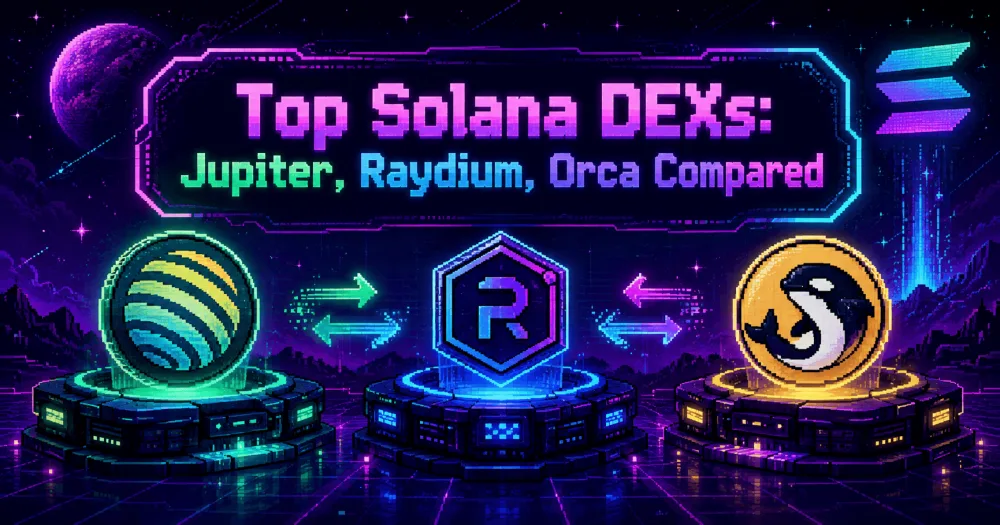
Traders rarely ask which Solana DEX wins overall. More often, it comes down to the specific move they are making. Swapping common tokens? Jupiter might be first up. Building positions in fresh liquidity pools? That is where Raydium tends to show up. A clean layout plus tight control over price ranges pulls users toward Orca.
This guide compares the top Solana DEXs by use case, trading style, liquidity model, beginner-friendliness, and risk. None of these platforms dominate outright. Strengths shift depending on priorities. Some users value precision; others want simplicity. Solana’s edge grows because variety exists.
Related: Best Solana Tokens to Watch in 2026: SOL Projects With Explosive Growth Potential
Contents
- 1.Understanding Solana DEXs
- 2.Jupiter vs Raydium vs Orca
- 3.Jupiter: The Top Solana DEX Aggregator
- 4.Raydium: Deep Liquidity and Token Launches
- 5.Orca: Simple Swaps and Efficient Liquidity
- 6.Important Things to Compare
- 7.Choosing a Solana DEX
- 8.Risks With Solana DEX Use
- 9.Best Solana DEX for New Users
- 10.Jupiter vs Raydium vs Orca: Final Decision
- 11.Conclusion
- 12.FAQ
Understanding Solana DEXs
Most trades happen right inside your wallet when using Solana DEXs. These platforms skip middlemen by running straight on the blockchain. Connection comes through a wallet app, then each move gets signed locally before going live. Confirmations pop up quickly thanks to Solana’s speed.
A Solana DEX might run one way or another. Some work as automated market makers, or AMMs, where trades happen through pooled funds instead of direct buyers and sellers. Other platforms act as aggregators, pulling data across exchanges to find tighter rates. Mixing functions happens too: swaps, liquidity tools, new project access, and layered trading methods can all show up.
The most popular Solana DEXs stand out because the network runs fast by design. Trades cost very little, so doing many of them feels natural. Yet moving quickly will not fix poor outcomes. What really shapes results is pool depth, routing, slippage, fees, security, and token quality.
Jupiter vs Raydium vs Orca
| Platform | Main Role | Best For | Main Strength | Main Tradeoff |
|---|---|---|---|---|
| Jupiter | Solana DEX aggregator | Routed swaps | Finds paths across many markets | Not mainly a liquidity-pool venue |
| Raydium | AMM, CLMM, launch venue | Pools, farms, new tokens | Deep liquidity and token launches | Can overwhelm beginners |
| Orca | User-friendly AMM | Simple swaps, Whirlpools | Clean layout and efficient liquidity | Less broad than Jupiter routing |
Jupiter works by pulling together prices from many places on Solana. Instead of holding much liquidity itself, it hunts down optimal paths for trades. Raydium builds markets using automated systems plus concentrated liquidity strategies. Orca keeps things clear with intuitive layouts and modern features like Whirlpools.
Most times, Jupiter leans on Raydium or Orca instead of going solo. Better prices appear when swaps move across these platforms. Liquidity lives inside pools built by Raydium and Orca. Together, they feel less like rivals and more like threads in one fabric.
Jupiter: The Top Solana DEX Aggregator
Jupiter stands as the top Solana swap aggregator. Finding efficient paths across various Solana liquidity sources is its core function. Rather than making traders visit every DEX on their own, it scans possible options. Better trade outcomes become the goal through smart path comparison.
Most people now go straight to Jupiter when swapping tokens on Solana. When a token moves across multiple pools, Jupiter handles those trades smoothly. Better outcomes can come from spreading orders across various places. That boost in performance keeps traders coming back.
Jupiter is not just about swapping tokens anymore. Tools like limit orders show up in its docs, followed by features for recurring trades. One part handles perpetuals, another opens access through APIs built for coders. Instead of staying a single-purpose interface, it now feeds systems behind the scenes.
Who Should Use Jupiter?
Starting fast matters for many traders. Jupiter handles that without asking them to hunt across pools. When prices shift or paths get messy, it adjusts quietly behind the scenes. Newcomers on Solana often land here first because choices feel simpler at a glance.
Jupiter also works well for advanced users. Apps, bots, dashboards, and wallets can pull data through its API if built by developers. Traders diving deeper find tools beyond basic exchanges. Complex actions sit within reach when simple swaps are not enough.
Related: CEX vs DEX: Which Crypto Exchange Is Better in 2026? Pros, Cons, and Hidden Risks
Raydium: Deep Liquidity and Token Launches
Built right into Solana, Raydium moves plenty of trading volume. Instead of only basic swaps, it handles tight liquidity zones and yield generation features. Its docs cover AMM v4, CPMM, CLMM, Farm, and LaunchLab programs.
Many tokens start building real traction on Raydium DEX. With fresh pools, steady activity from liquidity suppliers, and solid trade numbers, it stands as a key marketplace on Solana. Anyone diving into Solana liquidity pools usually ends up here sooner or later.
Starting off is not always straightforward on Raydium. Jupiter might seem simpler by comparison. Different pool types appear right away, along with yield options, new tokens, farming spots, and ways to add liquidity. That range helps once you know your way around, but beginners should step slowly.
Who Should Use Raydium?
For users looking past basic swaps, Raydium opens extra paths. Pools, farms, and CLMM setups give liquidity providers room to move. When token projects launch, building deep markets matters, and Raydium plays into that need.
Even if users never visit the platform directly, trades can still flow through Raydium behind the scenes. When someone targets a particular liquidity pool, they might go straight to Raydium instead. Yet many everyday swaps arrive through Jupiter first. Because of these hidden connections, Raydium holds strong rank among the top Solana DEXs.
Orca: Simple Swaps and Efficient Liquidity
Orca is known for a smoother user experience and its Whirlpools system. Built as open source, Whirlpools runs on Solana and Eclipse, according to Orca’s docs. Rather than spread funds wide, liquidity providers can target specific price zones.
Most of the time, a smarter layout helps capital work harder. When funds sit where trades occur, pricing often looks friendlier to traders. Earnings can climb for liquidity providers if their range choices are sharp. Risk also moves faster here, demanding closer attention.
Many people find Orca DEX simpler to navigate than other DeFi platforms. Its clean layout pulls in users looking for smooth trades. While it does not cover every path available, strong liquidity and straightforward design keep it near the front on Solana.
Who Should Use Orca?
Some users prefer Orca when they want straightforward trading plus an easy grasp on liquidity flow. Newcomers may find comfort in its tidy layout, while seasoned traders may lean into Whirlpools. For anyone trying to understand AMM pools without drowning in clutter, it holds up well.
Orca can also work for liquidity providers watching price zones closely. Concentrated liquidity saves capital, but it demands more attention than older full-range pools. Before sending tokens, users should understand price shifts, range selection, and impermanent loss.
Read more: Top 5 DEX Wallets in 2026: Which Crypto Wallet Is Best for DeFi and Swaps?
Important Things to Compare
One reason traders pick certain platforms comes down to how they actually work, not just what they are called. When deciding between Jupiter, Raydium, and Orca, look closely at how trades happen on each.
- Jupiter tends to win when someone wants the best path through several Solana DEXs.
- Raydium stands out because it fuels pool activity, supports farms, and backs fresh token launches.
- Orca cuts clutter, making trades straightforward for users who want a cleaner layout.
- Raydium and Orca are stronger direct choices for liquidity provision.
- Jupiter stands out for developers building apps that require swap features.
One reason people jump between Solana DEXs is that they rarely find everything in one place. Swapping tokens often lands them at Jupiter. Certain pools pull attention toward Raydium. When precision in liquidity matters, Orca tends to show up. The task decides the platform.
Fees, Slippage, and Liquidity
Even though Solana keeps transaction charges low across all three platforms, traders are not free of expenses. Slippage can matter more than the blockchain fee, especially on thin tokens. Sometimes a poor route hits harder than what the interface shows upfront. Hidden depth issues in pools add up faster than expected.
| Factor | Jupiter | Raydium | Orca |
|---|---|---|---|
| Network fees | Low Solana fees | Low Solana fees | Low Solana fees |
| Main cost risk | Route quality and slippage | Pool depth and token quality | Range liquidity and slippage |
| Best execution path | Aggregated routes | Direct pool liquidity | Efficient pools |
| Liquidity provider relevance | Indirect | High | High |
| Beginner difficulty | Low to medium | Medium | Low to medium |
Before hitting approve, take a look at what is shown. Prices on wilder coins can shift fast after quoting. For large moves, checking more than one platform or breaking the trade into smaller parts may reduce slippage.
Choosing a Solana DEX
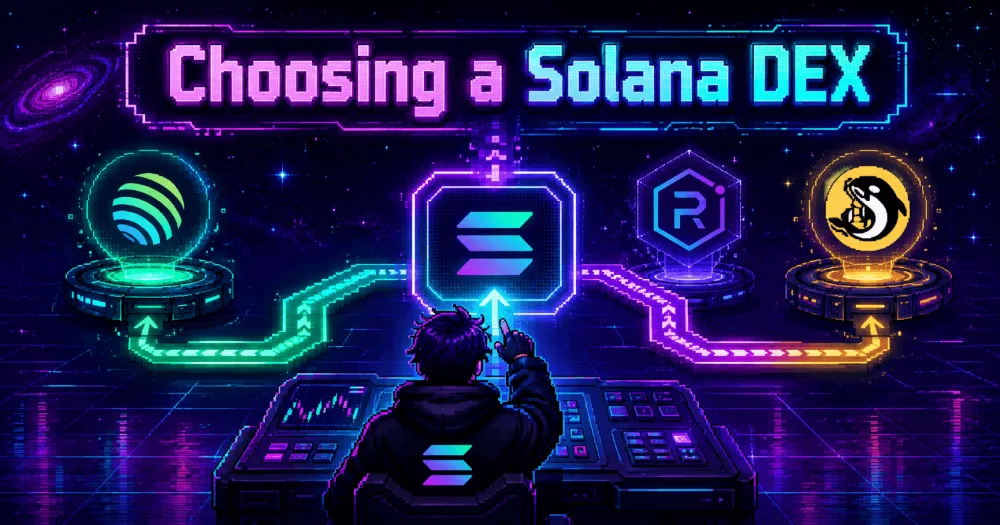
Start by thinking about what you want to do. If speed matters, pick something built for fast trades instead of deep pool management. Some platforms shine with fresh tokens but may not be needed for steady pairs like USDC▲$0.9998 or SOL▲$75.52. What works well for adding funds might slow down simple exchanges.
Here is a basic idea to follow:
- Go with Jupiter when routed swaps and broad Solana market reach are needed.
- Choose Raydium when deep pools, farms, token launches, and liquidity tools matter.
- Pick Orca when a tidy layout and Whirlpools matter more.
- Check several platforms before planning large moves.
- Avoid obscure tokens where buying or selling gets tricky fast.
Solana trading happens in seconds, and errors do too. Before confirming, look at the token address. Liquidity matters, so glance at how deep the pool runs. Set slippage carefully. Wallet permissions sit quietly until they cause trouble, so review them first.
Read more: Why Solana Is Dominating Crypto Payments in 2026
Risks With Solana DEX Use
Even good platforms come with dangers on Solana DEXs. Bugs might hide in code that runs trades. Liquidity sometimes vanishes from shared pools. Token prices can drop fast without warning. Copycat versions can pretend to be genuine assets.
Among these dangers are:
- Tokens copying real names or symbols.
- Thin trading volume causing heavy slippage.
- Shady websites or bad wallet approvals.
- Impermanent loss for liquidity providers.
- Volatile memecoin markets moving faster than expected.
Big names like Jupiter, Raydium, and Orca run on Solana, yet safety is not guaranteed for every coin. Platform trust does not remove asset risk. A legitimate Solana decentralized exchange can still route trades involving risky tokens.
Best Solana DEX for New Users

Most new users find Jupiter easiest to begin with because it works like a Solana DEX aggregator. Pick your tokens first, then examine the path shown. After that, look at what you will receive before confirming the trade. This way, knowing each individual pool is not required.
Starting fresh may also feel easier on Orca thanks to its straightforward layout. Learning about liquidity pools can go smoother there because the features guide users step by step. Raydium is powerful, but new users may need more time because it includes extra choices and layered functions.
Start with tiny swaps first. Pick a reliable Solana wallet instead of guessing which one works. Always double-check token details before sending anything. Wrong approvals slip past even strict exchanges. Skip sketchy links shared on social platforms.
Jupiter vs Raydium vs Orca: Final Decision
Most top Solana DEXs stand out somewhere unique. Finding paths through markets? Jupiter handles that better than others. Deep pools and new token starts? Raydium tends to lead. Swapping tokens feels simplest on Orca, especially when using focused liquidity.
| Category | Winner | Why |
|---|---|---|
| Best for most swaps | Jupiter | Finds paths through Solana’s deep markets |
| Best for liquidity providers | Raydium / Orca | Both offer hands-on pool tools |
| Best beginner interface | Orca | Navigation feels straightforward |
| Best ecosystem reach | Jupiter | Broad routing and integrations |
| Best new-token activity | Raydium | Shows up early in trading pairs |
Truth be told, it is not about platforms wiping each other out. What drives Solana DEX activity is how tools fit together. Jupiter forms paths through scattered pools. Raydium pushes market depth further. Orca smooths access to swapping and providing liquidity.
Conclusion
Among Solana’s leading exchanges, trade functions now go well past simple swaps. Jupiter focuses on routing paths across markets, Raydium powers strong pools and new projects, and Orca builds intuitive interfaces using focused pool designs.
Starting out? Jupiter might be your go-to. Liquidity users should check Raydium or Orca more closely. Active traders could find any of them useful, depending on the tokens, route, pool depth, and slippage.
Most of the time, the best Solana DEX is not just a single name. It depends on what kind of trade you are making. By 2026, serious Solana users should understand each of the three well.
FAQ
What are the top Solana DEXs?
The top Solana DEXs are Jupiter, Raydium, and Orca. Jupiter leads as a DEX aggregator, Raydium stands out with deep pools and launch activity, while Orca keeps trading smooth with a clear interface and focused liquidity.
Is Jupiter better than Raydium?
Most people end up using both. Jupiter handles trades across several Solana-based sources more smoothly, while Raydium works better for direct pools, farms, new tokens, and liquidity tools.
Is Orca beginner-friendly?
Orca can be beginner-friendly because the layout stays clear. Users still need to check token details, slippage, and possible risks in shared pools.
Which Solana DEX is most secure?
No trading venue avoids danger completely. Jupiter, Raydium, and Orca are major Solana platforms, but fake tokens, bad approvals, thin markets, and wild price swings still create risk.
What is the best Solana DEX for swaps?
Jupiter is usually the best first stop for swaps because it pulls routes from many Solana exchanges. For direct liquidity-pool interaction, Raydium and Orca still matter.