One of the messier tales in finance lately swirls around Trump and digital money. Reports say companies tied to him and relatives pulled in close to $2.3 billion. Meanwhile, people who bought those coins or shares from afar ended up down by that same number. That sum isn’t a court verdict – just a rough count – but it shows why eyes are glued. What sticks out isn’t just the size, but how fast trust seemed to shift.
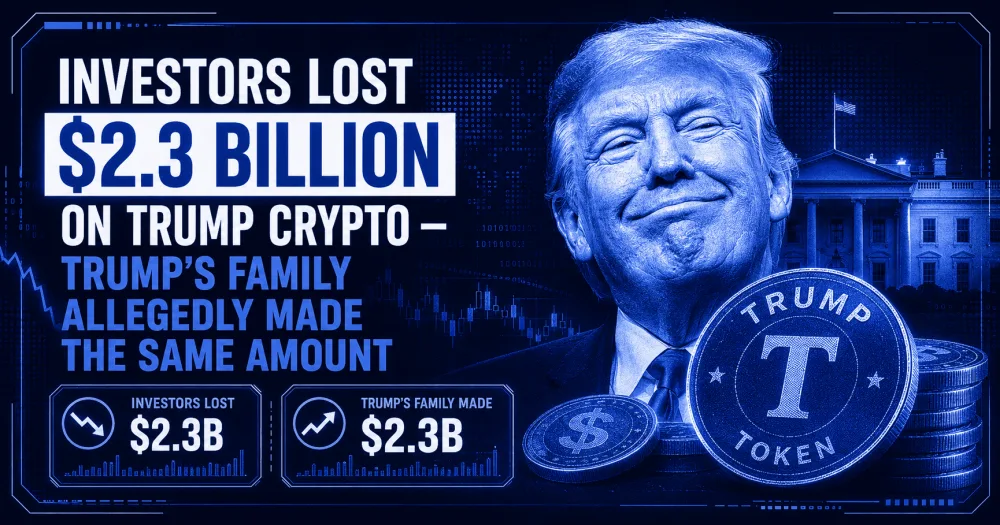
Some see it as moving money through crypto. Those inside got in first, ahead of the crowd. Regular investors showed up late, once excitement built. Others argue these tokens were gambles taken willingly. People decided to buy them anyway.
What really matters? How fame, blind party support, and joke cryptocurrencies convert public interest into cash – only to evaporate it seconds later.
Contents
- What Happened in the Trump-Linked Crypto Ecosystem?
- How Did the Trump Family Allegedly Make $2.3 Billion?
- Why Did Investors Lose $2.3 Billion?
- Was This a Win for Insiders and a Loss for Retail Traders?
- What Makes Trump-Themed Crypto So Controversial?
- How Big Is the Impact on the Crypto Market?
- Could This Happen Again With Other Celebrity Crypto Projects?
- What Investors Should Learn From the Trump Crypto Case
- FAQ
What Happened in the Trump-Linked Crypto Ecosystem?
How Trump-Themed Crypto Projects Gained Massive Attention
Politics meets money when Trump-style digital coins grab headlines. Not just laughs push these tokens – followers see them as belonging to something bigger. While regular joke currencies climb on memes alone, one tied to power leans on belief. Movement energy lifts it higher than humor ever could.
Easy to grasp – those holdings carried a familiar label. Folks watching the market noticed the logo, the news flashes, and how prices moved. It was not hard to follow when everything wore that well-known tag.
Timeline of Key Token Launches and Market Hype
Something began to unfold step by step. Out of nowhere, politicians started pushing crypto-friendly ideas. Following that, digital tokens appeared almost overnight. People noticed – eyes turned toward exchanges where new coins landed. Buying surged, fueled more by guesses than facts.
World Liberty Financial started acting like a real player in the DeFi space. Meanwhile, the $TRUMP▲$1.78 token caught fire, turning into a crowd favorite overnight.
Related: Trump Family Crypto Failures: Why WLFI, ABTC, and TRUMP Token Collapsed
When and Why the Narrative Started Gaining Traction
Word spread fast after traders started thinking Trump’s name might boost crypto. Because of that, hopes rose for softer rules. At the same time, some counted on fans from his base to jump in.
Here’s what happens during a crypto boom. Something begins with an idea that feels real enough. Afterward, rising prices pull more people in by the movement itself.
How Did the Trump Family Allegedly Make $2.3 Billion?
Revenue Sources Behind Trump-Linked Crypto Projects
Profits tied to the Trump family’s cryptocurrency activities showed up through multiple channels – some from selling digital tokens, others from partnerships using the family name, along with service charges and ownership cuts in projects built around their branding. According to Reuters, most of that money flowed in from World Liberty Financial.
Here’s why it counts: those on the inside might profit while newcomers end up out of pocket.
Token Sales, Fees, and Early Investor Entry Advantages
Getting in fast matters most with meme tokens and politics-linked digital money. Those near a project start often see chances sooner, know more details, or get seen by the right eyes first.
Some people who buy stocks notice prices going up along with a well-known figure attached. Those in early might spot ways to cash out when others want to sell. Attention can shift into actual gains for those already involved.
Profits inside crypto circles don’t break laws by default. Yet things get shaky once it looks like early players gain an edge, while those who join later absorb the losses. What seems fair at first often shifts when timing decides who wins and who’s left holding empty hands.
The Role of Market Speculation and Hype Cycles
Most of the push came from guesses. Buyers jumped in, betting others would join soon after. This fuels a lot of memecoin surges – expectations pulling the price along.
When excitement dies down, interest often drops too. As crowds shrink, values tend to drop fast.
Why Did Investors Lose $2.3 Billion?
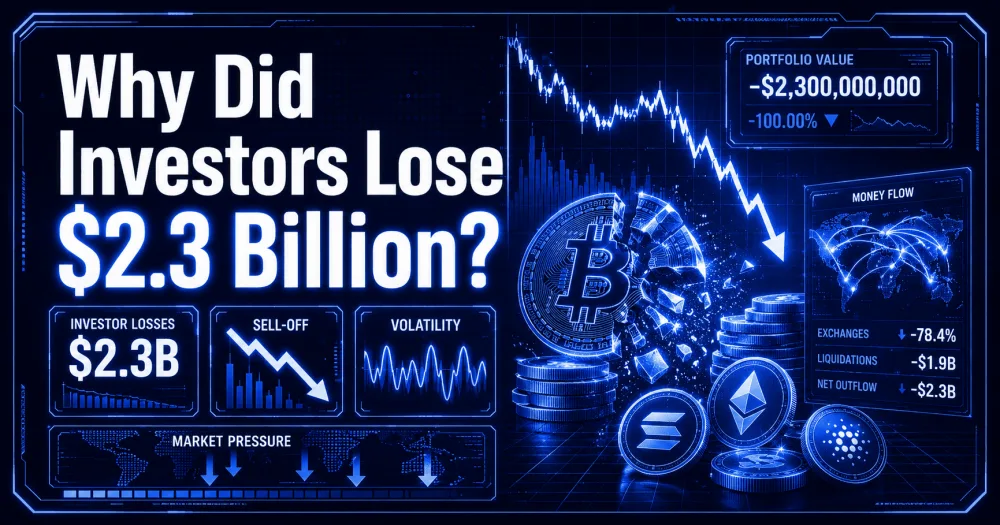
Retail FOMO and Late-Stage Entry Into the Market
Folks who trade on their own tend to get burned when excitement builds around a market. After the rush has already started, that is usually when they jump in. News stories catch their eye, along with online chatter and images showing others’ gains from earlier days.
Politics wrapped around money often messes with clear thinking. When loyalty to a figure overrides basic checks, decisions tilt sideways. Belief in the name alone pushed some past red flags like pricing, how tokens are released, or who might cash out fast.
Sharp Price Drops After Initial Hype Peaks
Out of nowhere, prices jump when everyone starts talking. Then silence follows – those who got in fast start cashing out. As money moves out, the pool shrinks. What’s left? People holding bags while value slips away.
Nothing forces a token to pretend. When buyers vanish, even genuine tradeable items might shed nearly all worth.
Liquidity Issues and Exit Pressure From Early Holders
Most people don’t get how risky it is when a political cryptocurrency lacks ready buyers. Paper value means little when panic selling hits – suddenly, what seemed like gains vanish into thin air. Few realize that mass exits expose the true worth, which often plummets under pressure.
Read more: Donald Trump’s Crypto Portfolio: Here’s the List of the Companies Backed by the U.S. President
Those who got in first usually feel the urge to cash out. With big profits tucked away, they watch regular buyers jump on board.
Table 1. Key Factors Behind Trump Crypto Losses
| Factor | Why It Matters |
|---|---|
| Political branding | Turns a token into an identity trade |
| Early access | Gives insiders better entry conditions |
| Retail FOMO | Pushes late buyers into risky positions |
| Weak liquidity | Makes sharp sell-offs more likely |
| Media hype | Accelerates both rallies and crashes |
Was This a Win for Insiders and a Loss for Retail Traders?
Understanding the Wealth Transfer Narrative in Crypto
Late shoppers hand cash to first movers through what some call a crypto wealth transfer. Those who jump in fast often gain when others follow the noise. Insiders see gains while newcomers absorb losses – this is how it works. No lawbreaking required, just timing that favors the front of the line.
Hype pulls people in, yet only the earliest pockets profit. Rewards go where access arrives before attention. Money shifts not by theft but by sequence. Early birds feast; latecomers feed the cycle. Promoters thrive as excitement spreads behind them. Structure lifts select players simply because they started sooner.
Funny how the numbers line up, say those watching closely – what the Trumps supposedly gained matches almost exactly what investors lost. Still, it’s just one piece of a bigger picture they’re quick to point out.
Related: Can Bitcoin Crash to $20K in 2026? What Could Trigger a Historic Crypto Market Collapse
Who Benefited Most From Trump-Related Tokens?
Early access probably helped some people win big. Revenue shares made a difference, too. Others gained by selling when interest was high.
Most people trading stocks saw things differently when prices dropped after they jumped in. Not owning part of a steady company with regular income mattered much more than expected. What they actually held was shaped by fast-changing political news, public interest spikes, and sudden market moves.
The Gap Between Marketing Hype and Market Reality
A tale spun thin by ads often hides the truth. Yet real markets play out differently. Fame might cling to a coin like smoke, big headlines follow it around, fans line up – even then, price drops when too much floods in. Demand vanishes under the weight of excess.
Most people get tripped up on Trump-related crypto bets. Seeing something everywhere made them feel safe. Yet attention offers no shield when prices drop.
What Makes Trump-Themed Crypto So Controversial?
Political Branding and Memecoin Economics
Some see dollar signs when politics meets digital coins. Fandom can replace facts fast in these spaces. Loyalty sways choices more than spreadsheets ever could.
Out of nowhere, memecoins bring fresh dangers into play. Not much they can actually do – shaky worth, foggy purpose, riding purely on what people notice. In these markets, attention often becomes the main source of value.
Media Attention and Viral Market Cycles
Out of sight, then suddenly everywhere – once the media notices something, it tends to stick around. Because people start wondering what the fuss is about, that pulls them in. As they begin buying or selling, things shift minute by minute. With every uptick or dip, cameras roll again. What seemed minor now fills headlines once more.
When headlines shift from “a fresh wave of political crypto excitement” to “billions vanish for investors,” opinions tend to turn fast – sometimes in just a day. A single story can reshape how people feel, even if nothing real has changed underneath.
Ethical Concerns and Market Manipulation Questions
What really matters sits in moral territory. Profits flowing to politicians’ relatives through fan-purchased digital assets – does that cross a line? Clarity around dangers for those investing – was it ever truly offered? Trust built on looks instead of substance – the brand might have leaned into that illusion too hard.
Proving crypto market manipulation isn’t the same as asking those questions. Lies, trickery, or groups acting together to twist prices often mark that kind of behavior.
How Big Is the Impact on the Crypto Market?
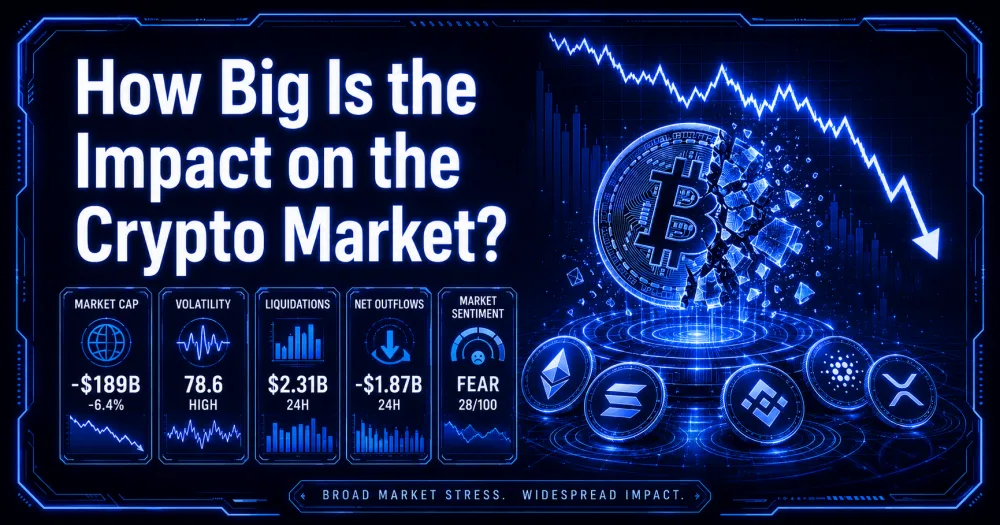
Short-Term Volatility in Meme and Political Tokens
Memecoins feel it most – same with politics-linked crypto plays. When big names back ventures where insiders hold too much, some traders slow down their moves instead.
Related: Dave Portnoy Crypto Losses: How Did He Lose so Much Money and Why?
One moment they’re surging, next they’re sinking. Hype around political tokens hasn’t vanished entirely. Still, the Trump episode proves how quickly such projects shift – launched on waves of attention, then drowned by outrage. Speed matters more than belief.
Spillover Effects on Broader Crypto Sentiment
When big investors lose money, trust in crypto often takes a hit. Each public failure hands skeptics fresh ammunition to question its value.
Out of the spotlight, Bitcoin and Ethereum stand apart from joke-driven digital tokens. Still, many people lump them together regardless. When drama hits any corner of cryptocurrency, confidence elsewhere tends to wobble too. Trust moves fast – especially when it runs out.
Institutional Reactions and Regulatory Watch
Should political crypto efforts link to public losses and private wins, trust fades fast. Reputation matters deeply – when transparency slips, so does interest from serious money. Legal worries grow louder once red flags appear. Big players step back when ethics blur into self-dealing. Word spreads. Caution takes hold. Markets notice silence more than noise.
What if regulators start pushing harder? Price swings matter less than you think. Political pull meets slick ads, hidden risks, plus rewards for insiders – that mix stirs trouble. Tougher oversight might already be moving in.
Could This Happen Again With Other Celebrity Crypto Projects?
The Rise of Political and Celebrity Tokens
It could come back around. These digital assets tied to stars, public figures, even politicians – they all run on one concept: swap popularity for tradeable interest.
What pulls people in isn’t flash – it’s low startup cost, smooth promotion paths, and one thing leads to sky-high early numbers.
Lessons From Previous Memecoin Cycles
Most times, old memecoin runs look nearly identical. Those who jump in first often land the lowest rates. Hype builds fast on platforms where people share opinions. Availability grows as more places start trading them. Anyone arriving later steps in once the price has rocketed up.
Later on, money moves slowly. Early owners start offloading, which kicks off a drop. A few joke tokens stick around. Most people buying them just don’t see how badly the clock can work against them.
Risk Factors for Future Retail Investors
Most people buying tokens need to look at how many exist. Inside access matters – some get early entry. Watch when holdings unlock over time. Market depth shows if prices stay stable. The volume tells you the activity level. Real use counts more than promises. Think about who gains when newcomers arrive.
When a project leans heavily on a well-known name, trouble often follows. Relying on political support to draw interest? That path tends to wobble faster.
What Investors Should Learn From the Trump Crypto Case
Risk Management in High-Hype Crypto Narratives
Start anywhere. Fame pulls crowds, yet offers zero protection. Just because a brand rings loud does not mean numbers add up fairly. Popularity might fill order books today – tomorrow, empty wallets tell another story. Trust grows from structure, never slogans.
Watch out for flashy coins – they come with big risks. Instead of rushing in, think twice about using loans to buy them. Emergency funds? Better left untouched. Going all-in on one pick might backfire fast. Large bets could wipe out your balance quicker than expected.
Identifying Early Signals of Overvaluation
Watch out when projects push too hard on social media. Sudden jumps in value often signal trouble ahead. If it is unclear what the tokens actually do, step back. Ownership stacked toward insiders raises red flags. Loud campaigns that rush you into buying can hide risks. Hype about missing the next big move usually means pause
Here’s a warning sign few notice: the tale around an item outweighs the item itself. When people buy without knowing why it’s valuable apart from noise, chances are the price has jumped too far ahead.
Avoiding Emotional Trading in Meme Cycles
Fear pushes most into buying during meme spikes. Left out, that itch grows too strong to ignore. Staying in too long? Pride plays a big role there. Damage usually locks in before the feet finally move.
Most wins come from routine moves. Set your limit first, then act. Tiny bets protect you when wrong. Skip the borrowed money games. Walking past a chance beats funding someone else’s win.
Table 2. Lessons For Investors In Meme And Political Tokens
| Investor Lesson | Practical Meaning |
|---|---|
| Do not buy only because of a famous name | Branding does not protect price |
| Check tokenomics first | Supply and unlocks can decide risk |
| Avoid late hype entries | The best move may already be over |
| Use small positions | Meme coins can fall very fast |
| Separate politics from trading | Emotion usually leads to bad timing |
FAQ
How The Trump Family May Have Made $2.3 Billion From Crypto?
Around $2.3 billion flowed into cryptocurrency projects tied to Trump, according to Reuters’ calculations. Money came not just from selling digital tokens but also from licensing agreements, service charges, and ownership shares. Numbers add up when you piece together public deals and financial disclosures. That total reflects activity across multiple ventures linked to his name.
Why Did Investors Lose Money on Trump Crypto Projects?
Fresh money jumped in once headlines started buzzing. Prices dropped later when fewer people wanted in, hitting both Trump-themed coins and similar digital asset shares.
Are Trump Tokens Real or Just Speculation?
These can be bought and sold like actual goods, yet their value swings widely based on how much people notice them, trust the name behind them, or feel about the market at any moment.
Is This Market Manipulation?
So far, no court has confirmed it. To show wrongdoing in cryptocurrency markets, someone must present proof of actions breaking the law.
Can Political Crypto Projects Make Money?
Pretty much anyone who jumps in fast might make money, yet gains often rely on how wild the buzz gets. Timing matters a lot – so does crowd excitement, pulling prices up or down. Sharp traders watch closely; others just ride the wave without knowing where it leads.
What Are the Risks of Investing in Memecoins?
Most danger comes from wild price swings. Thin trading keeps markets shaky at times. When insiders unload holdings, pressure builds quietly. Bad token design often hides until it matters. Mood flips fast without warning. Getting in late during a frenzy usually ends poorly.