
Speed rules the 2026 digital asset world, where liquidity flows deep and big players shape moves. Backed by data now, gut feelings lost their edge years ago. Because clarity matters, reading key crypto numbers isn’t optional anymore. Instead of chasing tweets, sharp participants watch indicators that reveal real shifts. From quick flips to decade-long holds, success links directly to how well metrics guide choices. Noise fades when precise tools highlight what actually moves markets.
Picture this: a clear look at ten essential numbers shaping how people trade cryptocurrency. These aren’t just charts and graphs – some come straight from the blockchain itself. Instead of guesswork, traders lean on signals like momentum swings or network activity. One helps spot shifts before prices jump. Another tracks real movement behind wallets. Think beyond surface noise. Each piece reveals behavior hidden in code. Some measure fear, others track accumulation. Together they form a map – not perfect – but useful. Numbers pull back the curtain on what most miss.
Related: How to Trade Crypto with Leverage: What Leverage Is and How to Use It Safely
Why Crypto Trading Metrics Are Important
Out there among shifting digital values, what something costs might not tell the truth. Thin markets twist numbers easily, while sudden fear pushes prices without reason. Behind those swings, crypto signals reveal patterns – built from math, shaped by behavior. What looks random gets clearer when seen through these tools.
How metrics improve trading decisions
Out there, feelings can cloud judgment, but metrics cut through that noise. When prices jump, tools help reveal whether buyers truly support the move or it’s just a quick flicker before another drop. Instead of guessing, numbers give a clearer picture of what might happen next. Even in chaos, patterns emerge when you know where to look.
Fundamental vs Technical vs On-chain Metrics
Start by noticing patterns in price changes. Then look closely at trading volume, since it often hints at what comes next. Finally, watch investor behavior – how people react can signal shifts before they happen
Price swings and trading activity shape what happens next. Sometimes patterns show up when you watch how far prices move. Momentum clues come from tools like RSI. Trends hide in averages that shift over time. Past movement gives hints about future steps.
Start by looking at how much the project is worth compared to what it earns. Think about total market value instead of just price tags. A company’s income matters more than hype around its stock. Look closely at revenue when judging long-term strength. Value shows up in numbers that reflect real activity, not guesses. Market cap gives a snapshot, but earnings tell a longer story.
Inside the blockchain, activity tells a story through numbers like money moving into exchanges or how many people are using addresses. Numbers shift when users send coins to trading platforms instead of holding them. Movement counts matter more than price here. What wallets do reveals patterns over time. Watching where coins go helps spot changes others miss. Activity levels rise before big shifts happen. Address use grows when networks get busier. Tracking these pieces shows what most overlook.
Read more: How to Invest in Memecoins: Step-by-Step Guide 2026
Top 10 Crypto Trading Indicators Traders Use

What works best in crypto trading changes with time frames. Yet these ten top crypto metrics still stand out in 2026 for solid signals. Though context shifts, each of them holds weight when reading market behavior closely.
1. Trading Volume
Here’s how it works. The number shows every single transaction counted within one day. Think of it like this – activity adds up fast when buyers meet sellers. A fresh count begins each morning. Total movement tells you just how busy things really are. That figure wraps up all exchanges, nothing left out.
A jump in prices means more than just numbers moving. When big players step in, you see heavy activity pushing it. Watch how many trades happen when things go up. If not many are buying, maybe nobody really believes it. Thin participation hints at empty momentum. Strong moves need weight behind them. Light turnover often fades fast.
When prices drop sharply, watch closely if trading activity surges out of nowhere. A sudden flood of volume after a long decline might mean panic selling is ending. That moment – when everyone who wanted to flee has left – the market tends to pause. Then things shift quietly; buyers start stepping in without fanfare. The storm passes when exhaustion sets in on the downside. Reversals often begin here, not with noise but stillness.
2. Market Capitalization
What you get when multiplying coin supply by price is market cap. That number shows how much investors think the whole project is worth right now.
Gravity of an asset? That is what market cap shows. Moving a coin worth $100 billion by ten percent needs huge sums. Size matters when prices shift.
Big names like Bitcoin and Ethereum play it cool in 2026, seen as steadier picks. Meanwhile, smaller coins draw traders looking for sharp moves, up or down. Market size matters – chasing huge gains on a coin already sky-high often ends empty. Spotting that difference keeps hopes grounded when numbers are bloated.
3. Liquidity
What crypto liquidity means is how quickly you can swap a digital asset for money – or a different token – without shifting its market value.
Picture this – when markets swim in cash, moving big trades feels smooth. That kind of flow keeps price gaps small during buys or sells. Think of it like open roads at any hour, no traffic jams messing up your route. Without that depth, every move nudges the needle too far. So volume acts like a cushion, quiet and steady. It’s what lets size slide through without shaking things loose.
Watch the spread – how far apart the top buy price sits from the bottom sell price. When that gap stretches out, trouble might be near. Thin markets often show this sign. Prices can plunge fast if nobody steps in to buy. Twenty percent gone in moments happens when support vanishes beneath. Empty order books make sharp falls harder to stop.
4. Volatility
Price swings in cryptocurrency get spotted using tools like ATR or Bollinger Bands. Though they measure different ranges, both reveal how fast values shift over time. Because sudden jumps happen often here, tracking movement closely matters more than usual. Instead of guessing direction, these methods focus on speed alone. While one calculates average changes, another watches price boundaries stretch. Since crypto rarely moves smoothly, such signals help spot bursts before they fade.
Wild price swings in crypto can pay off – yet they might kick you out of a trade fast. Sharp moves open doors for gains while raising the chance of sudden exits.
When markets jump around a lot, small moves can trigger early exits. By 2026, most traders will adjust their stop losses based on how wild prices act. A choppy market means setting stops farther away. That space keeps them from getting shaken out by sudden spikes. Wild swings need room – tight stops fail fast there. Price chaos demands breathing space near entry points. Stops placed too close break under pressure. Bigger ranges protect positions when things get messy.
Related: Top Crypto Airdrops in 2026: A Practical Guide for Beginners
5. Open Interest
Beyond just tracking price, watching this number matters a lot if you’re handling leveraged positions. Futures players often keep an eye on it because shifts can signal bigger moves ahead. It quietly shows pressure building on one side of the market. When it stretches too far, some traders start preparing for turns. Not flashy, yet hard to ignore once you see how it shapes swings.
Open interest tells you how many futures or options deals are still active. Not every trade gets closed right away, so this count tracks what remains undone. Think of it like a scoreboard for positions people haven’t exited yet. Each contract waiting to be squared off adds to the tally. The number shifts daily based on who’s holding versus closing.
Most of the time, when prices climb alongside growing Open Interest, fresh funds are flowing in – the trend looks solid. Not every rise holds strength, though; if price goes up while Open Interest drops, traders might just be closing short bets. That kind of move often ends fast. A quiet shift in positions can say more than a sharp spike. Confidence fades when fewer hands join the push. So momentum without support tends to crumble. Watching who enters or exits tells the real story behind upward moves.
6. Funding Rates
Now and then, people holding long positions send money to those on the short side in perpetual futures. These transfers happen at set times, balancing the playing field between opposing bets.
Bullish vibes? Funding rates might whisper that. When traders lean one way, these numbers shift, reflecting moods without words. A tilt toward optimism shows here first. Pessimism creeps in just as quietly. Sentiment hides in plain sight through small changes. Numbers breathe before markets move. What people feel leaks out slowly. Rates track what the market will never say out loud.
Most traders piling into long positions push funding rates up. When those levels get too high, it hints that the crowd might be wrong. Instead of steady gains, pressure builds for a sudden drop. Shorts start winning when optimism peaks. A rush to exit amplifies the fall. Crowded bets unravel fast. What looks strong suddenly breaks. That shift arrives quietly, then moves like fire.
7. Relative Strength Index RSI
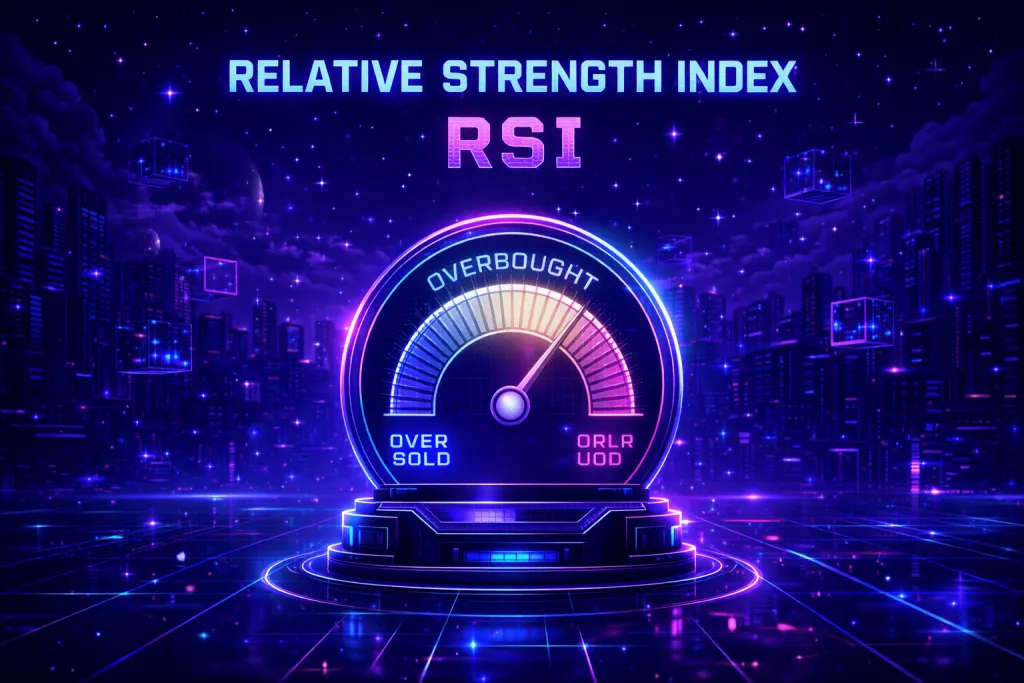
Speed swings in cryptocurrency prices can show up clearly through one tool. This gauge runs from zero to a hundred, tracking how fast values climb or drop. Movement intensity gets charted over time, offering clues about recent trends. One moment it might highlight rapid gains, next signal sharp falls. Zero marks an extreme low pace, while full value suggests intense activity. Traders watch these shifts closely, looking for patterns in the flow.
Rising fast? That’s what RSI spots. Speed matters more than direction here.
When the RSI climbs past 70, that spot often hints at overbought terrain – meaning a dip might follow. Below 30? That zone usually signals oversold ground, where a climb could spark up. But during fierce uptrends, RSI may hover high for days on end without dropping. So relying on it alone is not really wise. Its clear visuals make it stick out among tools new crypto watchers tend to reach for first.
8. Moving Averages: MA and EMA
These are another example of crypto technical indicators. A series of averaged prices forms a smooth path across the chart, helping spot which way the market leans. Instead of sharp jumps, you see a steady curve that hints at where things are headed. One number follows another, linked by time, building a clearer picture beneath the noise. Direction becomes visible when extremes fade into balance. The line lags behind real-time moves, yet reveals what’s underneath. Over periods short or long, patterns emerge through repetition. Each point connects not by chance but by calculation. Trend clues hide in these quiet shifts, away from spikes.
Picture a line smoothing out price swings over time. That is what happens with a Simple Moving Average – each point counts just as much. But things shift when using an Exponential Moving Average. Recent numbers pull harder on the line, shaping it faster. Meanwhile, older values fade into the background.
9. On-Chain Metrics

What’s really going on behind the scenes shows up in these crypto-only numbers. Not every data point applies outside blockchain systems.
When prices climb while active addresses shrink, something feels off. A drop in users despite higher value hints at weakening network strength. This mismatch often points to trouble ahead.
Transaction volume: High on-chain volume suggests real economic activity.
Out of nowhere, big money moves into exchanges often hint at upcoming selling pressure – not exactly a happy sign. On the flip side, when tons of coins vanish from trading platforms, it usually means heavy players tuck them away for safekeeping. Traders often see this quiet shift as confidence in longer-term value holding steady.
10. Order Book Depth
Reading crypto market signals starts here, though it’s just one piece of the puzzle. A single thread woven into the bigger picture shows where things might head. It matters because patterns begin to make sense when seen this way. What looks random gains meaning through this lens. Without it, interpretations often miss the mark entirely.
Beneath the surface, supply meets eyes through clusters of pending trades. What you see are thick lines where buyers stack their interest, then sellers mirror them on the opposite side. These dense zones form barriers that shape price movement slowly over time. One side builds resistance while the other holds ground without rushing ahead. This really helps one figure out how to analyse the crypto market.
Combining Essential Crypto Metrics for Smarter Trading Choices
Most folks figure out which signals matter for crypto trades pretty quickly. Yet putting the best crypto indicators together well is something that trips up nearly everyone. Stack one insight after another, like layers building something solid. Think of it like weather clues: humidity alone means little, yet pair it with wind shifts and pressure drops, and suddenly a storm makes sense.
A single line on a chart sends a tiny signal. Three lines speaking at once? That’s hard to ignore. Timing entries works much the same way. One signal hints. When several are matching up, you’re seeing patterns form. Clarity shows up when different types agree – a trend slope here, volume spike there. Watch how they overlap. Wait until more than just price movement tells the same story. Trust builds slowly. Remember – the best indicators for crypto trading can serve you well in the future.
FAQ: Crypto Market Indicators Explained
For those just starting, which cryptocurrency signal works most reliably?
Start with RSI – many find it helpful when getting familiar with crypto trends. A glance at the 200-day line often shows where prices have been heading lately. One after another, these tools build a picture without clutter. Because they plot directly on charts, spotting shifts becomes more intuitive over time. While not perfect, they give beginners something solid to work with early on.
How do I identify a “fake” price move using volume?
A sudden 5% rise in price without strong trade activity often means thin support behind the move – this kind of spike tends to fade fast. When volume stays flat or dips below recent levels, follow-through weakens. Real shifts happen only when heavy buying steps in. Without that push, reversal claims lack weight.
Can I trust on-chain metrics for short-term day trading?
Most times, tracking moves recorded directly on the blockchain suits swing trades lasting days or more. When aiming at quicker turns – say, within minutes up through a few hours – shifting attention toward order book depth makes sense. Instead of relying on chain records, watch how liquidity shifts. Open interest often hints at what happens next during these shorter plays.
Tracking large transactions might show where big players are moving. Look at blockchain data to spot unusual activity. Instead of relying on guesses, check wallet addresses that hold major amounts. Volume spikes often come before price shifts. Watch exchanges closely when balances shift suddenly. Patterns emerge over time without needing complex tools. Focus on movement, not rumors.
Why is liquidity more important in crypto than in stocks?
One reason prices swing so much? Hundreds of separate exchanges split the crypto market. On Binance, a token moves fast; elsewhere, it barely trades – so value shifts unpredictably. Spotting low liquidity helps dodge stuck investments that others can’t exit.
Most traders start by guessing. Knowing just ten key crypto numbers shifts things entirely. Instead of hoping, decisions gain direction. One step at a time works better than rushing ahead. Choose one or two tools you like best. Data makes patterns visible over weeks. Those who study tend to last longer when prices swing hard. Effort shows results when others panic. A single bad trade can undo many wins. Watch size matters more than frequency. Smart moves often look quiet from the outside. In the end, protecting what you have beats chasing more.