The projects are finally recovering after the massive $292M hack that occurred in April 2026.
Kelp DAO and Aave have announced the resumption of rsETH operations in the coming days. The 117,132 stolen tokens will be gradually replenished from the Aave Recovery Guardian and Kelp Recovery Safe reserves over two weeks.
Hot topic: Bitcoin Price Bottomed at $60K, BitMEX Co-Founder Says
Recovery Plan
After successfully burning the hacker’s rsETH on Arbitrum, Kelp will begin unlocking withdrawals. All operations, including deposits, withdrawals, bridging, and claims, will return to normal mode after smart contracts are unlocked.
The protocol has also completed a security enhancement cycle. Four independent attestors are now required for verification instead of one, and the number of block confirmations has been increased to 64.
Kelp is fully abandoning LayerZero and migrating to Chainlink CCIP.
Read more: Arbitrum Price Prediction 2026 — Is ARB the Next 10x Crypto?
DeFi United Status
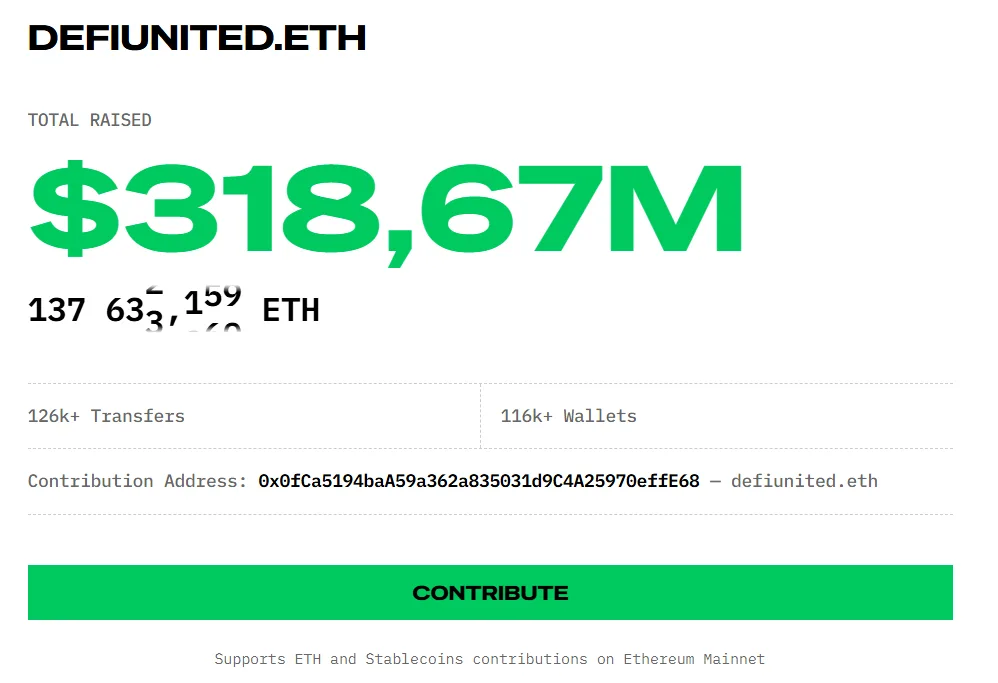
The DeFi United initiative has already raised more than $318M in Ethereum (ETH) to cover the damage. The Arbitrum DAO previously approved transferring the frozen 30,765 ETH▲$2,518.27, worth approximately $70M, to the fund.
However, these funds remain under court freeze due to a lawsuit from victims of North Korea-linked terrorist attacks.
Aave has filed an emergency motion with the court seeking to lift the restrictions. The court has allowed transferring the ETH to Aave but with a ban on selling until a final decision is reached.
Largest Incident of 2026
The Kelp DAO hack on April 18 remains the largest DeFi exploit of the year. The attack was linked to a vulnerability in the LayerZero bridge, which used a single-attestor configuration. LayerZero later admitted its mistake in allowing such a setting for high-risk transactions.
Learn more: JPMorgan — Why DeFi Hacks Scare Off Large Investors